
As a cyclist, taking care of your bike is crucial for efficiency, safety, and longevity. Regular maintenance can make all the difference, especially during harsh weather conditions. In this article, we’ll explore the importance of cleaning and lubricating your bike, as well as provide tips on how to do it effectively.
The Importance of Cleaning Your Bike
Cleaning your bike after each ride is essential for maintaining its condition. Dirt and dust can accumulate quickly, especially after mountain bike rides. If left unchecked, this can lead to damage to the frame, wheels, and other components. Moreover, neglecting maintenance can result in reduced performance, increased risk of breakdowns, and ultimately, a shorter lifespan for your bike.
Gathering Your Toolkit
Before you start cleaning and lubricating your bike, it’s essential to gather the necessary tools and supplies. A basic toolkit should include:
- Soft-bristled brushes
- Spunges
- Bicycle-specific lubricants
- Grease suitable for bikes
- Sgrassante (grease) for the bike and transmission
- Pulisci catena (chain cleaners) or sgrassantes
- Detergents
The Cleaning Phase
The cleaning phase of your bike is divided into three stages: removing the wheels, drying, and lubricating. Here’s a step-by-step guide on how to do it:
Removing the Wheels
Before you start cleaning, remove the wheels from the frame. This will allow you to access the chain, derailleurs, and other components.
- Make sure to tighten any bolts or screws that hold the wheels in place before removing them.
- Use a bike stand or lay the bike on its side to make it easier to access the components.
Drying
Once you’ve removed the wheels, use a soft cloth to gently wipe down the frame and transmission components. Avoid using compressed air during drying, as it can cause oxidation and corrosion.
- Pay particular attention to areas with creases or bends in the frame, such as the seatpost, handlebars, and fork.
- Use a brush or sponge to remove any stubborn dirt or grime from these areas.
Lubricating
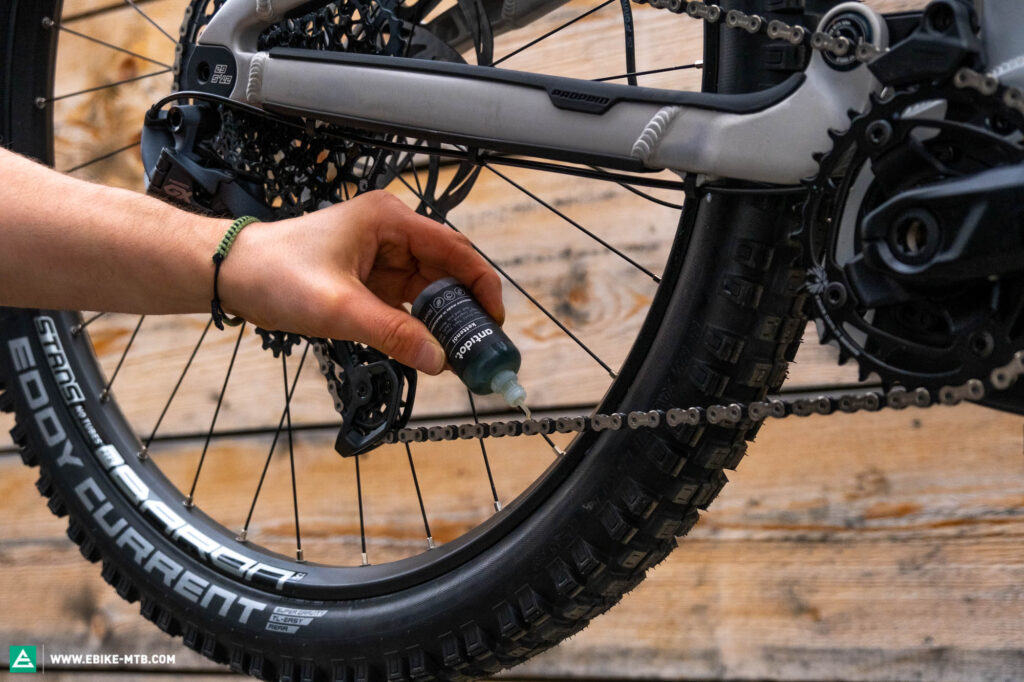
After drying, apply a small amount of lubricant to the chain, derailleurs, and other moving parts. Use a high-quality lubricant specifically designed for bicycles, and avoid over-lubricating, which can attract dirt and dust.
- Apply a few drops of lubricant to the chain links, working from one end of the chain to the other.
- Use a clean cloth or brush to wipe away any excess lubricant.
- Apply a small amount of lubricant to the derailleurs and other moving parts, making sure to follow the manufacturer’s instructions.
Tips and Tricks
- Always use gloves when cleaning your bike to protect yourself from harsh chemicals and grime.
- Avoid using high-pressure idripulitrici, as they can damage creases on the frame and affect gear movement.
- Use a specialized product for carbon fiber frames to add an extra layer of protection.
- Consider using a hand dryer or chamois to dry components naturally.
Lubricating Your Chain
A well-lubricated chain is essential for smooth pedaling and reduced wear. Here are some tips on how to lubricate your chain:
- Use a high-quality chain cleaner to remove dirt and grime.
- Apply a small amount of lubricant specifically designed for chains, making sure to follow the manufacturer’s instructions.
- Avoid over-lubricating, as it can attract dirt and dust.
The Secret to Many Former Professionals
Former professionals often swear by the traditional method of cleaning and lubricating their bikes. This involves using a sponge, oil elbow grease, and gentle wiping surfaces. While this may take more time and effort, it’s an effective way to maintain your bike’s condition.
- Use a soft-bristled brush or sponge to remove dirt and grime from the chain and other components.
- Apply a small amount of lubricant specifically designed for chains, working from one end of the chain to the other.
- Wipe away any excess lubricant with a clean cloth or brush.
What to Use for Cleaning and Lubricating Your Chain
When it comes to cleaning and lubricating your chain, there are many products on the market that claim to be effective. Here are some popular options:
- Pulisci catena (chain cleaners)
- Sgrassante (grease) for the bike and transmission
- Detergents
- High-quality bicycle-specific lubricants
Common Cleaning Mistakes
There are several common mistakes that cyclists make when cleaning their bikes. Here are a few to watch out for:
- Using too much water, which can damage electronics or rust metal components.
- Not drying the bike thoroughly after washing, which can lead to corrosion and rust.
- Using the wrong lubricant, which can attract dirt and dust.
Conclusion
Taking care of your bike is essential for efficiency, safety, and longevity. Regular cleaning and lubrication can make all the difference, especially during harsh weather conditions. By following these tips and using the right products, you’ll be able to keep your bike in top condition.
Frequently Asked Questions (FAQs)
Q: How often should I clean my bike?
A: After each ride, or at least once a week, depending on usage.
Q: What’s the best way to lubricate my chain?
A: Use a high-quality chain cleaner and apply a small amount of lubricant specifically designed for chains.
Q: Can I use compressed air during drying?
A: No, as it can cause oxidation and corrosion.
Q: What’s the difference between sgrassante (grease) and pulisci catena (chain cleaners)?
A: Sgrassante is suitable for general cleaning and maintenance, while pulisci catena are specifically designed for chain cleaning.
Q: Can I use hand-dryers or chamois to dry components?
A: Yes, as they can help prevent corrosion and oxidation.
Q: What’s the best way to protect my carbon fiber frame?
A: Use a specialized product designed specifically for carbon fiber frames.
Q: How do I choose the right lubricant for my bike?
A: Read reviews, follow manufacturer instructions, and consult with a professional mechanic if needed.


