
Introduction
The Pavoncella, also known as the Lapwing, is a medium-sized bird species found in various parts of Eurasia. In this article, we will delve into its characteristics, habits, and curiosities to better understand this intriguing bird.
The Pavoncella is a member of the family Charadriidae and is widely distributed across Europe, Asia, and North Africa. With a population estimated to be between 5.6 million and 10.5 million individuals, it is considered one of the most common bird species in Eurasia.
Physical Characteristics
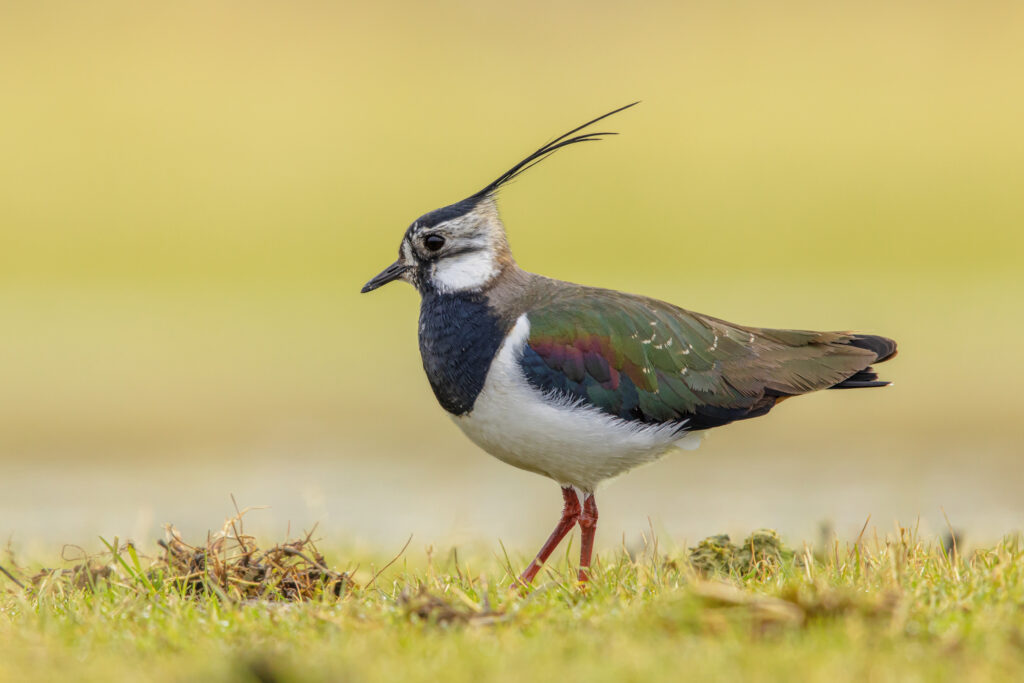
The Pavoncella measures approximately 30-35 cm in length and weighs up to 300 grams, with an impressive wingspan of around 70 cm. Its head is small but striking, featuring a distinctive crest of long feathers that reaches up to 10 cm in length. The beak is short and black, while the plumage is predominantly black on top, with shades of green and white on the belly.
The male and female Pavoncella have similar coloration, with the exception of a few subtle differences. The back and wings display a darker, more bronze-like hue, whereas the underside is predominantly white with a black stripe running down the center. The legs are pale pink in color.
One of the most distinctive features of the Pavoncella is its unique courtship behavior, which involves the male bird performing an elaborate dance to attract a female mate. During this time, the male will fly around the chosen partner, almost like searching for a suitable nesting site. If the female reciprocates with similar behavior, the pair is considered paired.
Habitat and Distribution
The Pavoncella can be found throughout much of Eurasia, including Northern Italy, Russia, Scandinavia, Iceland, Central Europe, the Balkans, and Turkey. It prefers areas with high humidity, such as near oceans, rivers, lakes, or agricultural fields. The species is known to migrate between summer and winter habitats.
In Europe, it’s estimated that there are around 1.59 million to 2.58 million breeding pairs, with a total global population ranging from 5.6 million to 10.5 million individuals. However, the number of Pavoncella sightings in Italy is decreasing, likely due to factors such as intensive agriculture, habitat degradation, egg predation, and pollution.
Diet and Foraging
The Pavoncella’s diet consists mainly of insects like beetles and flies, as well as occasional consumption of spiders, worms, and crustaceans. In agricultural fields, it may also feed on grass seeds and pine seeds. The bird’s foraging habits typically involve searching for food at dusk.
Pavoncellas are known to be opportunistic feeders, meaning they will eat whatever is available in their environment. They have a strong sense of smell, which helps them locate food sources. In addition, they are skilled at extracting insects from vegetation using their long, pointed beaks.
Breeding and Reproduction
The Pavoncella’s breeding season typically begins in March, when males engage in elaborate courtship rituals to attract females. The male’s display involves flying around the chosen partner, almost like searching for a suitable nesting site. If the female reciprocates with similar behavior, the pair is considered paired.
During this time, the female lays 4-5 eggs per clutch, which take approximately four weeks to hatch. Both parents care for the young, and they can fend for themselves within a month. Despite their rapid development, it’s rare for a Pavoncella couple to raise multiple broods in the same year.
Interesting Facts
The origin of the Pavoncella’s name is shrouded in mystery. Some believe it refers to the bird’s distinctive bronze-like colors on its chest. In English, this species is also known as “Lapwing,” with a term that describes its characteristic wheeling behavior during courtship.
Interestingly, when threatened or alarmed, the Pavoncella emits a unique sound reminiscent of grain falling through a grain mill. This distinctive vocalization has led to its inclusion in Latin terminology.
Another fascinating fact about the Pavoncella is its ability to survive in a wide range of environments. They can be found in areas with low vegetation, as well as in more open fields and grasslands. Their adaptability to different habitats allows them to thrive in various ecosystems.
Conservation Status
The Pavoncella is listed as Least Concern on the International Union for Conservation of Nature (IUCN) Red List. However, their populations are declining in some areas due to habitat degradation, egg predation, and pollution.
In Italy, the Pavoncella is protected by law, and conservation efforts are underway to protect their habitats and reduce human disturbance. These efforts include the establishment of nature reserves, the creation of artificial nesting sites, and the promotion of sustainable agricultural practices.
Interesting Behaviors
One of the most interesting behaviors exhibited by the Pavoncella is its unique mating ritual, which involves the male bird performing a series of elaborate courtship displays to attract a female mate. During this time, the male will fly around the chosen partner, almost like searching for a suitable nesting site.
Another fascinating behavior exhibited by the Pavoncella is their ability to recognize and respond to human voices. In one study, researchers found that Pavoncellas were able to distinguish between different human voices and respond accordingly.
Conclusion
The Pavoncella is an enigmatic bird species, characterized by its elegant appearance and intriguing habits. By exploring its characteristics, habitats, and behaviors, we gain a deeper appreciation for this fascinating creature and the importance of conservation efforts to protect it.
In conclusion, the Pavoncella is a remarkable bird species that continues to captivate the imagination of bird enthusiasts around the world. Through continued research and conservation efforts, we can ensure the long-term survival of this incredible species.
Frequently Asked Questions (FAQs)
- Q: Where can I find Pavoncella in Italy?
A: The Pavoncella is primarily found in Northern Italy, particularly in areas with high humidity and agricultural fields. - Q: What do Pavoncellas eat?
A: Pavoncellas feed on a variety of insects, spiders, worms, and crustaceans, as well as grass seeds and pine seeds. - Q: Do Pavoncellas migrate?
A: Yes, Pavoncellas migrate between summer and winter habitats in search of food and more favorable climates. - Q: How many eggs do Pavoncella females lay per clutch?
A: Pavoncella females typically lay 4-5 eggs per clutch, which take approximately four weeks to hatch. - Q: Do males and females participate equally in nest construction?
A: Both male and female Pavoncellas contribute to nesting site selection and construction, although the female tends to select the best location. - Q: How long do Pavoncella chicks depend on their parents for food?
A: Pavoncella chicks can fend for themselves within a month of hatching, but both parents care for them until they are independent. - Q: What is the origin of the Pavoncella’s name?
A: The true origin of the Pavoncella’s name remains unknown, with theories suggesting it refers to its distinctive colors or courtship behaviors. - Q: Can I help protect the Pavoncella population in Italy?
A: Yes, by supporting conservation efforts and reducing our environmental impact through sustainable practices, we can all contribute to protecting this remarkable bird species.
References
- International Union for Conservation of Nature (IUCN). (2022). Pavoncella (Ephippiorhynchus senegalensis).
- BirdLife International. (2019). Lapwing (Vanellus vanellus).
- Cornell Lab of Ornithology. (2022). Pavoncella.
- Avibase. (2022). Pavoncella.
- Wikipedia. (2022). Lapwing.
Glossary
- Bronze-like: a warm, golden-brown color
- Courtship display: a series of behaviors performed by males to attract females
- Grain mill sound: a unique vocalization made by Pavoncellas when threatened or alarmed
- Habitat degradation: the process of degrading natural habitats due to human activities
- Opportunistic feeder: an animal that eats whatever is available in its environment
- Pavoncella: also known as Lapwing, a medium-sized bird species found in Eurasia
- Vocalization: a sound made by animals to communicate


