As we navigate the world of alternative medicine, it’s easy to get caught up in the latest trends and fads. One such product that has gained popularity in recent years is silver colloid, a liquid solution made from tiny particles of silver suspended in water. But what exactly is silver colloid, and does it really have antibacterial properties? In this article, we’ll delve into the world of silver colloid, exploring its definition, uses, benefits, and drawbacks.
What is Silver Colloid?
Silver colloid is a liquid solution composed of tiny particles of silver suspended in water. The particles are usually around 1-10 nanometers in size, making them too small to be filtered out by the human body. This unique property allows silver colloid to stay in the bloodstream for an extended period, where it can exert its antibacterial effects.
History of Silver Colloid
Silver has been used for centuries as a natural remedy for various ailments, including wounds and infections. In ancient civilizations such as Egypt and Greece, silver was used to treat burns and other skin conditions. Later, in the 19th century, scientists discovered that silver had antimicrobial properties, which led to its use in wound care and antibiotic applications.
How is Silver Colloid Used?
Silver colloid can be used both internally and externally. When taken orally, it’s often dissolved in water or another liquid and then ingested. It can also be applied topically to wounds, cuts, and other skin irritations. Additionally, silver colloid can be used as a nasal spray or gargle to combat infections.
Benefits of Silver Colloid
So, what are the benefits of using silver colloid? Some proponents claim that it can:
- Combat bacterial, viral, and fungal infections
- Boost the immune system
- Reduce inflammation and pain
- Improve wound healing
While these claims may sound appealing, it’s essential to approach them with a critical eye. As we’ll explore in more detail later, there’s limited scientific evidence to support these benefits.
Scientific Evidence
Numerous studies have been conducted on silver colloid, but the results are often inconclusive or mixed. Some studies have shown that silver colloid can:
- Inhibit the growth of certain bacteria and fungi
- Reduce inflammation and pain in animal models
- Improve wound healing in human trials
However, other studies have found no significant benefits or even negative effects.
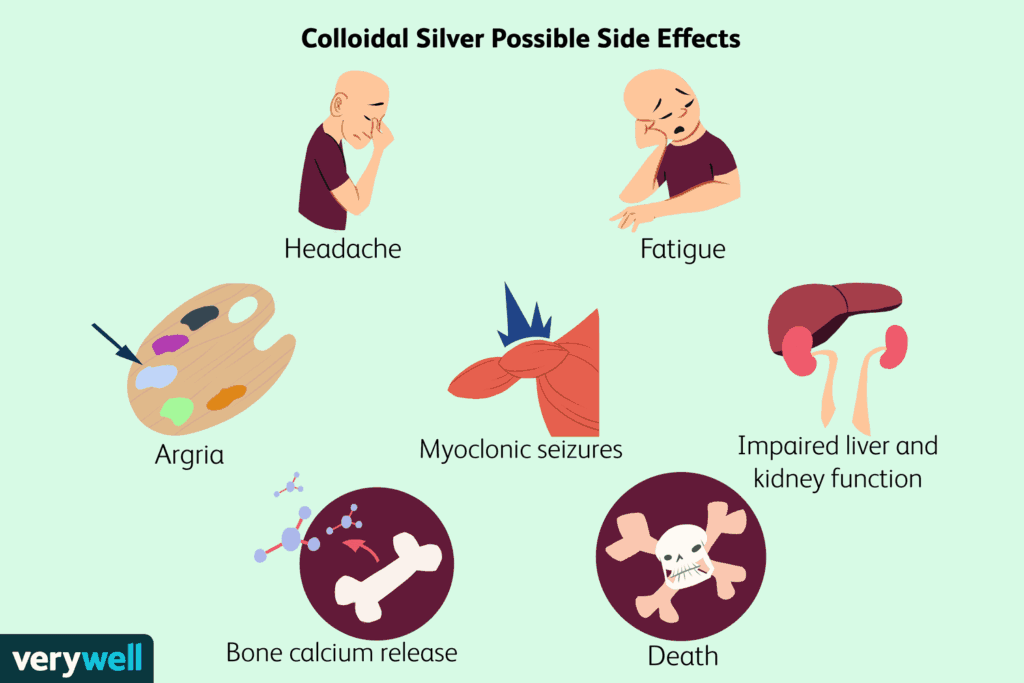
Potential Risks and Side Effects
Before using silver colloid, it’s crucial to be aware of the potential risks and side effects. Some of the most significant concerns include:
- Accumulation of silver in the body, which can lead to toxicity
- Irritation or allergic reactions on the skin or mucous membranes
- Interactions with other medications or medical conditions
Is Silver Colloid Safe for Everyone?
While silver colloid may have some benefits, it’s not suitable for everyone. In fact, there are certain groups of people who should avoid using it altogether. These include:
- Pregnant or breastfeeding women, as the risk of harm to the fetus or baby is too high
- People with kidney disease or other organ system disorders, as silver can accumulate in these tissues
Regulation and Quality Control
The regulation of silver colloid products varies widely depending on the country and jurisdiction. Some countries have strict guidelines for the production and labeling of silver colloid, while others have little to no oversight.
Quality control is also a concern, as some manufacturers may use low-quality or contaminated silver particles that can pose health risks.
Conclusion
In conclusion, while silver colloid may have some potential benefits, it’s essential to approach its use with caution. The lack of scientific evidence supporting its effectiveness and the potential risks of toxicity and side effects mean that it’s not a reliable solution for treating infections.
Instead, consider incorporating other natural remedies into your daily routine, such as:
- Probiotics
- Vitamin C
- Elderberry
These alternatives have been shown to have real-world benefits in supporting immune function and overall health.
Frequently Asked Questions
Here are some common questions people ask about silver colloid:
- What is the recommended dosage of silver colloid?
- The recommended dosage varies depending on the specific product and individual needs.
- Can I use silver colloid for children?
- While some products may be labeled as “kid-friendly,” it’s generally not recommended to give children silver colloid without consulting a healthcare professional first.
- Will silver colloid interact with my medications?
- Yes, silver colloid can interact with certain medications, such as antibiotics and blood thinners.
- Is silver colloid safe for people with allergies or sensitivities?
- While some individuals may experience irritation or allergic reactions to silver colloid, others may not be affected at all.
By understanding the ins and outs of silver colloid, you can make informed decisions about its use in your own life. Remember to always consult a healthcare professional before adding any new supplement or treatment to your regimen.