
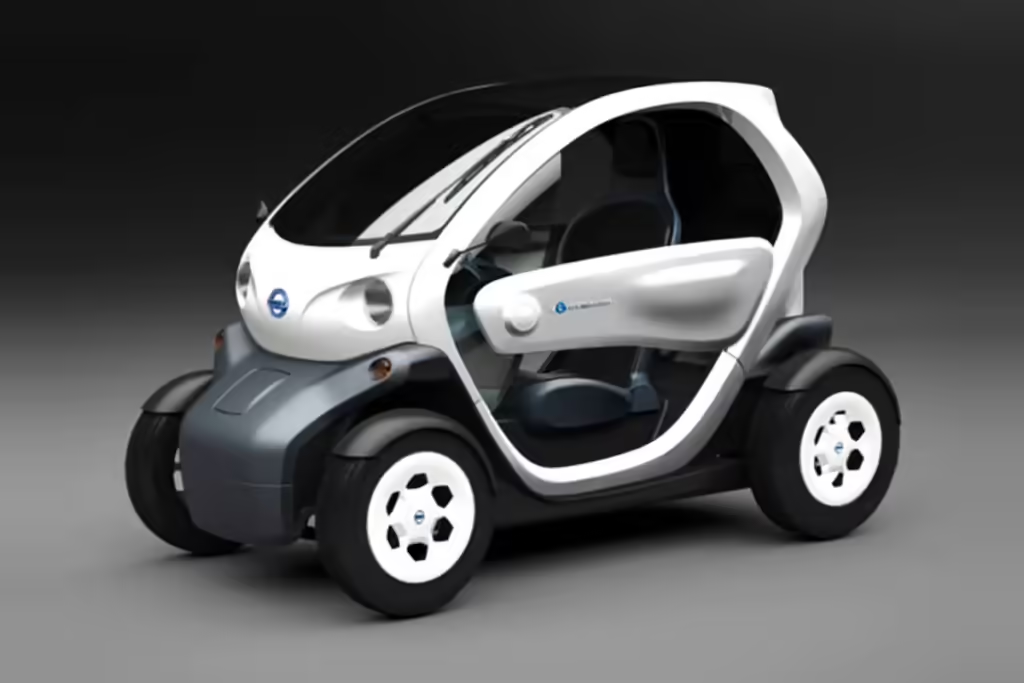
As the world shifts towards a more sustainable future, cities are taking a leading role in reducing their carbon footprint. In Japan’s Yokohama city, a pioneering project called “Mobility Project Zero” has been launched to make urban mobility 100% electric. Nissan, one of the leading automakers, has joined forces with this initiative and is now testing its ultra-compact electric vehicle.
What is Mobility Project Zero?
Launched in 2013, Mobility Project Zero aims to create a zero-emission city by promoting the use of eco-friendly transportation modes. This ambitious project not only targets Nissan but also encourages other companies to join forces and adopt sustainable practices. By doing so, we can reduce greenhouse gas emissions and contribute to a cleaner environment.
The Ultra-Compact Electric Vehicle: A Breakthrough
Nissan’s ultra-compact electric vehicle is designed for urban use cases, making it perfect for navigating narrow city streets. This innovative design features “wings” that can be easily removed, providing an additional mode of transportation. The vehicle boasts impressive specs, including:
- 80 km range on a single charge: Providing enough power for daily commutes and errands
- Rapid recharge capabilities: Fully charging in just 4 hours using a standard household power outlet
- Lightweight design: Weighing significantly less than conventional vehicles, enabling faster acceleration and improved fuel efficiency
Testing the Ultra-Compact Electric Vehicle
In partnership with seven mothers from Yokohama, Nissan is testing its ultra-compact electric vehicle in real-world scenarios. These mothers will use the vehicle for daily tasks such as:
- Grocery shopping: Reducing carbon emissions while making sustainable choices
- School runs: Providing a reliable and eco-friendly mode of transportation for families
- Commuting: Reducing traffic congestion and air pollution in urban areas
The Ministry of Land, Infrastructure, Transport, and Tourism is also supporting this initiative to assess the practicality and effectiveness of urban mobility solutions.
What Makes This Vehicle Unique?
This ultra-compact electric vehicle boasts several features that set it apart from traditional cars:
- Portability: The removable “wings” make the vehicle more agile and flexible, perfect for navigating narrow city streets
- Rapid recharge: The vehicle can be fully charged in just 4 hours using a standard household power outlet
- Lightweight design: Weighing significantly less than conventional vehicles, enabling faster acceleration and improved fuel efficiency
The Future of Urban Mobility
Nissan’s ultra-compact electric vehicle is not yet widely available but shows great promise as a solution for urban transportation challenges. With continued innovation and refinement, this technology could revolutionize the way we travel, making cities cleaner, greener, and more sustainable.
How Will This Impact Emissions?
The success of Nissan’s ultra-compact electric vehicle could significantly reduce carbon emissions in urban areas. By promoting eco-friendly transportation modes and providing a reliable alternative to traditional vehicles, we can decrease air pollution and contribute to a healthier environment.
Benefits for Cities
Implementing this technology in cities worldwide could have numerous benefits:
- Reduced traffic congestion: With more people using electric vehicles, roads become less congested
- Improved air quality: Decreased emissions lead to cleaner air and better health outcomes
- Increased mobility: Providing a reliable mode of transportation for all citizens, regardless of income or ability
Challenges and Opportunities
While there are challenges associated with implementing this technology on a large scale, there are also opportunities:
- Investing in infrastructure: Governments can invest in charging stations and other infrastructure to support the adoption of electric vehicles
- Education and awareness: Educating citizens about the benefits of electric vehicles can increase adoption rates
- Incentives for businesses: Governments can offer incentives to businesses that adopt this technology, such as tax breaks or subsidies
Conclusion
Nissan’s ultra-compact electric vehicle is an innovative solution for urban mobility challenges. Its lightweight design, portability, and rapid recharge capabilities make it an attractive option for city dwellers. As the world shifts towards a more sustainable future, this technology has the potential to transform the way we travel, making cities cleaner, greener, and more livable.
Frequently Asked Questions
- What is Mobility Project Zero?
- Mobility Project Zero is an initiative launched in Japan’s Yokohama city to promote urban mobility using eco-friendly transportation modes.
- How does the ultra-compact electric vehicle work?
- The vehicle features a lightweight design, portability, and rapid recharge capabilities, making it perfect for navigating narrow city streets.
- Can I use this vehicle for daily tasks?
- Yes, the ultra-compact electric vehicle is designed for urban use cases, including grocery shopping, school runs, and commuting.
- How long does the vehicle take to recharge?
- The vehicle can be fully charged in just 4 hours using a standard household power outlet.
- What’s the future of this technology?
- With continued innovation and refinement, Nissan’s ultra-compact electric vehicle could revolutionize urban transportation challenges, making cities cleaner, greener, and more sustainable.


