
Introduction
Achillea, commonly known as millefoglie, is a perennial herb belonging to the composite family. Its leaves with flowered tips are used for medicinal purposes, making it a popular choice among herbal enthusiasts. In this article, we will delve into the cultivation of Achillea, its therapeutic properties, and explore ways to harness its benefits.
What is Achillea?
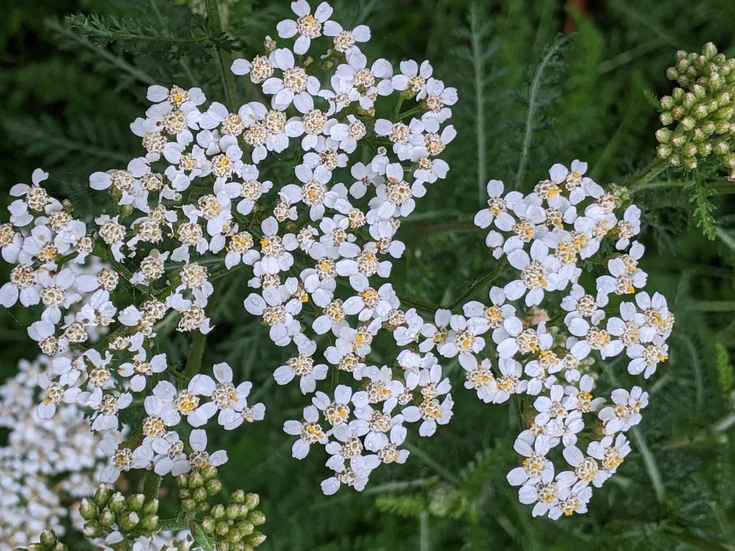
Achillea is a perennial herb with a lignified rhizome, reaching a maximum height of 76 cm. It flowers between June and September, making it essential to harvest at this stage for optimal potency. The flower clusters are composed of small capitula, ranging in color from white to red or pink.
History of Achillea
Achillea has been used for centuries in traditional medicine, particularly by the ancient Greeks and Romans. They recognized its therapeutic properties and used it to treat various ailments, including wounds and skin conditions. The herb’s popularity continued through the Middle Ages and into modern times, with many herbalists and naturopaths incorporating it into their practice.
Cultivation of Achillea
Achillea is an easy-to-grow plant that can thrive for several years. It requires minimal care and can tolerate drought conditions. However, consistent moisture levels will result in higher concentrations of active compounds. This herb prefers well-drained soil, whether acidic or alkaline, but avoid heavy clay soils.
To cultivate Achillea, start by sowing seeds indoors as early as February. Transplant the seedlings outside between April and May. For optimal growth, space individual plants 25-30 cm apart, with a distance of 60-70 cm between rows.
Fertilization and Harvesting
Fertilize your Achillea plants using nitrogen-phosphorus-potassium (NPK) fertilizers to ensure maximum potency. Regular watering is essential for optimal growth. When harvesting, collect the flower clusters during the blooming season or the period preceding it, depending on the intended use.
Therapeutic Properties of Achillea
Achillea’s leaves contain a range of bioactive compounds, including azulene, cariofillene, borneol, and cineol. These compounds contribute to its therapeutic properties:
- Anti-inflammatory
- Antimicrobial
- Cicatrizing (wound-healing)
- Topical protection for the circulatory system
Using Achillea for Therapeutic Purposes
Achillea can be consumed as an infusion or used in topical preparations. To harness its full potential, consider the following:
- Infusions: Steep the flower clusters and leaves to create a soothing tea.
- Ointments and balms: Utilize the oil extracted from the flowers for skin care.
- Massage oils: Blend Achillea oil with carrier oils for anti-inflammatory massages.
Safety Precautions
Achillea oil is highly concentrated, making it unsuitable for direct application on the skin. Always dilute it in a carrier oil to ensure safe and effective use.
Contraindications and Side Effects
While Achillea is generally considered safe, certain individuals should avoid using it:
- Pregnant or breastfeeding women
- Individuals with allergies to composite plants
- People with sensitive skin
Conclusion
Achillea offers a wealth of therapeutic benefits when cultivated and utilized correctly. By understanding its cultivation requirements, harvesting methods, and bioactive compounds, you can unlock this herb’s full potential for medicinal purposes.
Frequently Asked Questions (FAQs)
- How often should I fertilize my Achillea plants?
- Fertilization is essential to promote optimal growth and potency.
- Can I grow Achillea in a container?
- Yes, Achillea can thrive in containers with proper care and maintenance.
- What are the recommended precautions when using Achillea oil?
- Always dilute Achillea oil in a carrier oil to prevent skin irritation.
- How do I harvest Achillea flowers for medicinal purposes?
- Collect flower clusters during the blooming season or preceding it, depending on the intended use.
- Can Achillea be used as a natural remedy for acne?
- Yes, Achillea’s anti-inflammatory properties can help alleviate acne symptoms.
- What is the best way to store Achillea oil?
- Store Achillea oil in a cool, dark place to preserve its potency and shelf life.
- Can I consume Achillea as an infusion or supplement?
- Yes, Achillea can be consumed as an infusion or supplement under medical guidance.
- How long does it take for Achillea plants to mature?
- Achillea plants typically take 3-5 years to reach maturity.
By following these guidelines and exploring the therapeutic properties of Achillea, you can unlock this herb’s full potential for medicinal purposes and enjoy a range of benefits for your overall well-being.


