
Introduction
In the vast realm of culinary delights, cloves have long been revered for their unique flavor and aroma. However, few people are aware of the multitude of uses beyond cooking that make cloves a true marvel. From traditional medicine to industrial applications, cloves have proven themselves to be an incredibly versatile spice.
The Industrial Uses of Cloves
Cloves have found their way into various industries, including pharmaceuticals, cosmetics, and tobacco production. In Indonesia, cloves are used in the manufacture of a specific type of cigarette called Kretek. This is just one example of how cloves have become an integral part of industrial processes.
In the manufacturing of perfumes and fragrances, cloves are often used as a natural fixative to enhance the scent of other ingredients. Additionally, cloves are employed in the production of traditional medicine products due to their anti-inflammatory properties.
Agricultural Applications: Repelling Pests
Cloves possess bioactive compounds that make them excellent natural repellents for various pests. In agriculture, cloves can be used to keep ants and other unwanted insects at bay. In homes, cloves can be employed as a natural repellent against ants, providing an eco-friendly alternative to chemical-based solutions.
For example, in greenhouses, cloves are often planted among the crops to deter pests like aphids and whiteflies. This is particularly effective in controlling the spread of fungal diseases that can affect plants.
Traditional Medicine: A Long-Standing Tradition
In Western cultures, cloves are often associated with herbal remedies and dentistry. However, in Asia, cloves have been used for centuries in traditional medicine, particularly in Ayurvedic and Chinese practices. In Chinese medicine, cloves are known as “ding Xiang” and are believed to protect the kidneys, pancreas, and stomach.
In Ayurvedic medicine, cloves are considered a stimulant that can be used to boost energy levels and improve digestion. Additionally, cloves have been traditionally used to treat respiratory issues such as bronchitis and asthma.
Digestive Aid: The Power of Eugenol
The essential oil extracted from cloves contains a compound called eugenol, which has been shown to stimulate acid production in the stomach and improve digestion. This makes it an effective natural remedy for digestive issues, such as indigestion and bloating.
In traditional medicine, eugenol is often combined with other herbs to treat conditions like irritable bowel syndrome (IBS) and acid reflux disease (GERD). Additionally, eugenol has been shown to have antibacterial properties, making it an effective natural remedy for wounds and skin infections.
Other Unconventional Uses
Beyond their culinary and medicinal properties, cloves have several other unusual uses:
- Natural diabetics: Cloves may help reduce blood sugar levels
- Natural birth control: Cloves can act as a natural contraceptive
- Anti-inflammatory: Cloves have anti-inflammatory properties
- Insect repellent: Cloves can repel mosquitoes and other insects
Dental Applications
Cloves are often used in dentistry for their analgesic and anesthetic properties. The essential oil is incorporated into some toothpastes, while others use it to prepare natural remedies against mouth ulcers and inflammation.
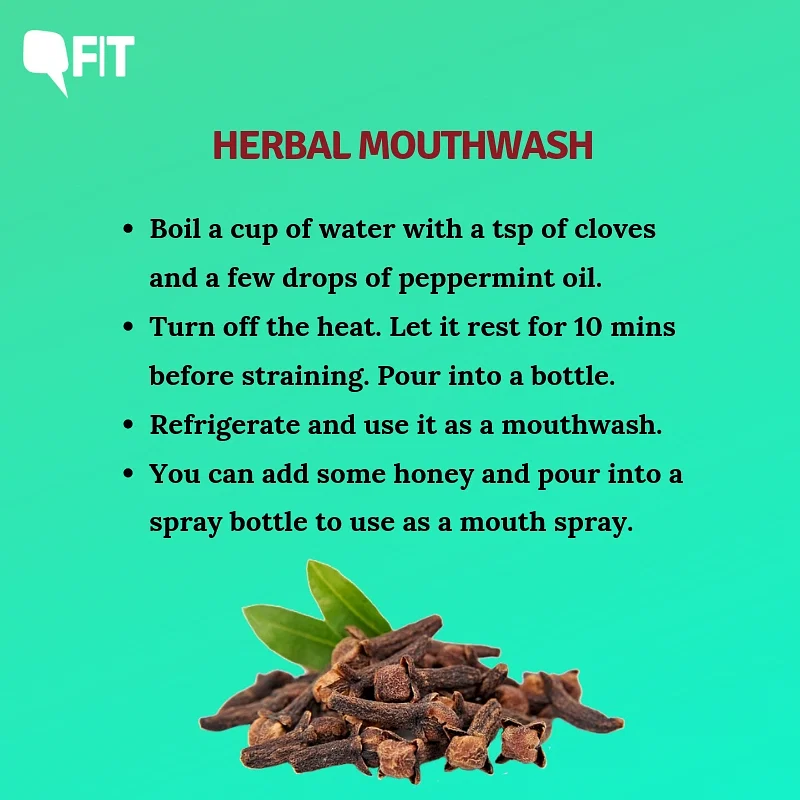
In traditional Chinese medicine, cloves have been used as a mouthwash to treat gum disease and other oral infections. Additionally, cloves have been traditionally used to numb the gums before dental procedures.
Veterinary Use
In veterinary medicine, cloves are employed as an anesthetic agent for fish and as a means of euthanasia for fish in the terminal stages of their life cycle.
Cloves have also been used to treat respiratory issues in animals, such as bronchitis and pneumonia. Additionally, eugenol has been shown to have antibacterial properties, making it an effective natural remedy for wounds and skin infections in pets.
Repellents Against Pests: A Natural Solution
Cloves can be used to repel ants, tangles, and other pests. By inserting cloves into citrus fruits or lemons, you can create a natural barrier against unwanted insects. Similarly, mixing cloves with lime can help keep mosquitoes at bay in bedrooms.
In addition, cloves have been traditionally used as a natural insect repellent for clothing and fabrics. Cloves are often mixed with other herbs to repel mosquitoes and other insects that may bother humans.
Nutritional Value: Antioxidant Powerhouse
Cloves boast an impressive antioxidant score of 314.446, making them one of the most potent antioxidants available. This is roughly 80 times more effective than a banana.
In terms of nutritional value, cloves are rich in dietary fiber, vitamins, and minerals like copper, iron, and potassium. Cloves also contain a compound called methyl eugenol, which has been shown to have antibacterial properties.
Conclusion
In conclusion, cloves have proven themselves to be far more versatile than initially thought. From their industrial uses to their potential health benefits, cloves are indeed a true marvel. Whether you use cloves for culinary purposes or for medicinal applications, there’s no denying the incredible versatility of this remarkable spice.


