
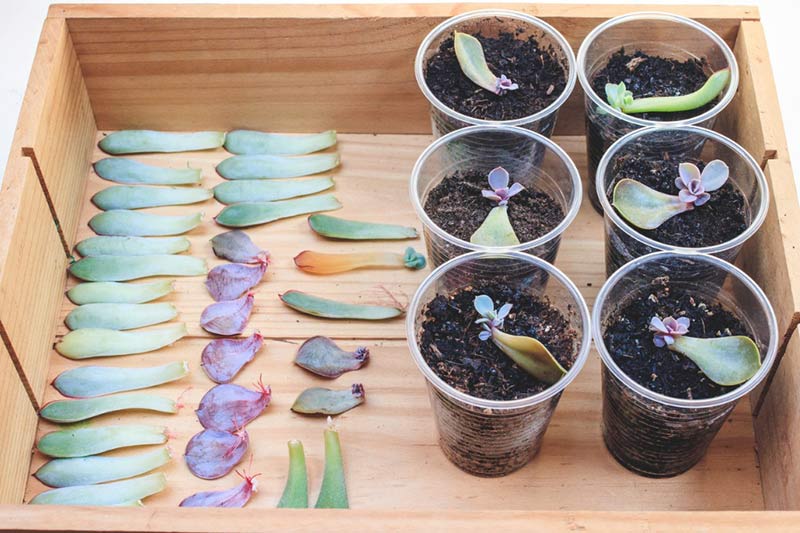
As a succulent enthusiast, you may have come across various methods for multiplying these plants, including leaf propagation, division, and even grafting. However, among all these techniques, seed sowing remains the most effective method for achieving high variability in the resulting plants. This is particularly important because succulents are not native to our climate, and by propagating them through seeds, we can obtain more robust and resilient offspring.
Understanding the Importance of Propagation through Seed Sowing
Propagating succulents through seed sowing offers several advantages over other methods. Firstly, it allows for a wider range of genetic diversity, as each seedling will have its unique characteristics and traits. Secondly, seed sowing is a more natural process that mimics the way these plants reproduce in their native habitats. Finally, it provides an opportunity to create new hybrids or cultivars by combining desirable traits from different parent plants.
Where to Find Succulent Seeds
Succulent seeds are relatively easy to find, and you can purchase them on online marketplaces like Amazon or visit specialized garden centers. However, the best option is to collect seeds from healthy, flowering plants yourself. This ensures that you get high-quality seeds with desirable traits. If you have a friend with succulents, now is the perfect time to ask for their seeds!
The Best Time to Collect Succulent Seeds
When collecting seeds, it’s essential to choose healthy, thriving plants that are likely to produce plenty of seeds. The best time to collect seeds is when the flowers start to fade, as this allows them to drop their seeds naturally. To catch these seeds before they’re blown away by the wind, you can use paper bags or small containers and tie them around the base of the plant. Make sure to handle the plants gently and avoid damaging the delicate seeds.
Preparing Seeds for Sowing
Before sowing succulent seeds, it’s crucial to have the right equipment. You’ll need shallow, wide containers or specialized seed trays with good drainage holes. For a more rustic approach, you can even use old jam jars! To create a well-draining mix, you can blend sand, perlite, or vermiculite with some garden soil. Avoid using regular potting soil, as it tends to be too rich in organic matter and has a pH that’s too alkaline for succulents.
Sowing Succulent Seeds
To sow succulent seeds, follow these steps:
- Prepare the container by adding a layer of absorbent paper or a thin layer of sand.
- Fill the container with the prepared seed mix, leaving about 1-2 cm at the top for watering.
- Gently place the seeds on the surface of the soil, making sure to spread them evenly.
- Cover the seeds with a thin layer of soil, just enough to hold them in place.
- Water the soil gently but thoroughly.
Optimal Conditions for Germination
For succulent seeds to germinate, they need specific conditions. Keep the temperature between 20-25°C (68-77°F), and ensure good air circulation. Avoid overwatering, as this can lead to rot and poor germination rates.
Sowing Succulents in Different Environments
When sowing succulents outdoors, consider the following:
- Indoor seed starting: If you live in a cool climate or have limited outdoor space, sow seeds indoors in pots or trays. This will give them a head start before transplanting outside.
- Outdoor seed sowing: For areas with mild winters and adequate sunlight, you can sow seeds directly outdoors from April to June.
Tips and Tricks for Successful Seed Sowing
- Use high-quality seeds that are fresh and suitable for the specific succulent species.
- Handle seeds gently to avoid damage or crushing.
- Keep the soil consistently moist but not waterlogged during germination.
- Provide good air circulation around the seedlings to prevent fungal diseases.
Frequently Asked Questions
- Q: Can I sow succulents in a potting mix specifically designed for indoor plants?
A: No, this type of potting mix is too rich and can lead to overwatering and poor germination rates. - Q: How often should I water the seeds after sowing?
A: Keep the soil consistently moist but not waterlogged during germination. Water lightly but frequently to prevent washing away the tiny seeds. - Q: Can I sow succulents in a cold frame or greenhouse?
A: Yes, these structures can provide optimal conditions for seed germination and growth. - Q: How long does it take for succulent seeds to germinate?
A: Germination times vary depending on the species and environmental conditions, but generally range from 1-6 weeks. - Q: Can I sow multiple types of succulents together in the same container?
A: Yes, but make sure to research specific compatibility requirements for each species. - Q: What is the best way to propagate a succulent that has already reached maturity?
A: Leaf propagation or division are often more effective than sowing seeds, as they produce offspring with desirable traits.
Common Challenges and Solutions
- Seed rot: This can occur if the soil is too wet or cold. Solution: Increase air circulation, reduce watering, and ensure good drainage.
- Poor germination rates: This can be caused by inadequate light or temperature. Solution: Provide sufficient light (12-14 hours of indirect light) and maintain optimal temperatures.
- Seedlings becoming leggy: This can happen if the seedlings receive too much direct sunlight. Solution: Prune the plants to encourage bushy growth.
Creating a Succulent Garden from Seed
Sowing succulent seeds is not only a rewarding experience but also provides an opportunity to create a stunning succulent garden from scratch. Here are some tips to help you achieve this:
- Choose a variety of species: Select a mix of succulents with different shapes, sizes, and colors to create a visually appealing garden.
- Select suitable containers: Use containers that provide good drainage and are suitable for the specific succulent species.
- Use a well-draining mix: Create a mix specifically designed for succulents, using ingredients like sand, perlite, or vermiculite.
- Maintain optimal conditions: Provide sufficient light (12-14 hours of indirect light), maintain optimal temperatures (20-25°C/68-77°F), and ensure good air circulation.
Conclusion
Sowing succulent seeds is an art that requires patience, dedication, and attention to detail. By following these guidelines and tips, you’ll be well on your way to successfully sowing succulent seeds and enjoying the beauty of these remarkable plants in your own home. Remember to research specific compatibility requirements for each species, choose high-quality seeds, and provide optimal conditions for germination and growth. With practice and experience, you’ll become a master seed sower, creating stunning succulent gardens that will thrive for years to come.


