
Are you looking to add a unique element to your garden that complements the existing vegetation? Look no further than designing a fountain using recycled materials. Not only is it an affordable and creative way to enhance your outdoor space, but it also reduces waste and minimizes environmental impact.
In this article, we’ll explore various methods for creating a beautiful and functional fountain in your garden using materials you might otherwise discard. From repurposing bottles and containers to leveraging natural elements, we’ll cover it all.
Why Choose an Eco-Friendly Fountain?
Before diving into the design process, let’s discuss why eco-friendly fountains are becoming increasingly popular. By utilizing recycled materials, you’re not only reducing waste but also:
- Minimizing your carbon footprint
- Creating a unique and conversation-starting feature for your garden
- Supporting sustainable living practices
Designing a Fountain with Recycled Materials
Bottle Fountain
One of the easiest ways to create a fountain is by repurposing plastic bottles. Simply clean and cut the bottles, then attach them to a pump using wire or twine. You can arrange the bottles in various configurations to achieve the desired shape and style.
- Tips for creating a bottle fountain:
- Use a variety of bottle sizes and shapes to add visual interest.
- Experiment with different arrangements and patterns to create a unique design.
- Consider adding a trellis or other decorative elements to support the bottles.
Container Fountain
Old containers like vases, jars, or buckets can be transformed into beautiful fountains. Fill the container with water and add a small pump to create movement. You can decorate the container with paint, glitter, or other embellishments to give it a personalized touch.
- Benefits of using a container fountain:
- Containers like vases and jars can be easily moved or rearranged.
- They offer a unique opportunity for creative expression and customization.
- Containers can help to filter water and prevent sediment from entering the fountain.
Metallic Fountain
Utilize old metal containers, such as tin cans or aluminum foil, to create a unique fountain. Simply clean and shape the metal into the desired form, then add a small pump and water to create movement.
- Tips for creating a metallic fountain:
- Use a variety of metals and textures to create visual interest.
- Experiment with different shapes and sizes to achieve the desired design.
- Consider adding a coating or sealant to protect the metal from corrosion.
Natural Fountain
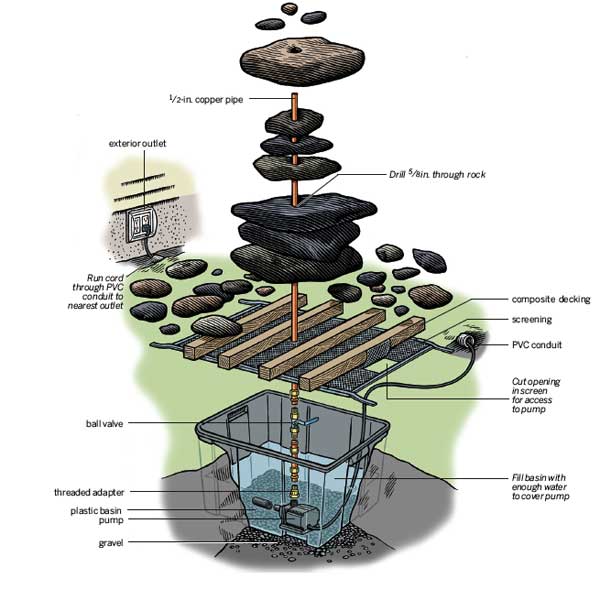
For a more organic approach, consider using natural elements like rocks, stones, and plants to create a stunning fountain. Collect smooth rocks and arrange them in a decorative pattern, then add a small pump and water to create movement.
- Benefits of creating a natural fountain:
- Natural elements can help to blend the fountain into its surroundings.
- They offer a unique opportunity for creative expression and customization.
- Natural fountains can be more sustainable than traditional fountains.
Tips for Creating a Stunning Fountain
- Experiment with different materials and configurations to find the perfect look for your garden.
- Consider adding LED lights or other decorations to enhance the visual appeal of your fountain.
- Make sure to choose a location that receives adequate sunlight, as this will help maintain water quality.
Tips for Maintenance and Upkeep
- Regularly clean the fountain to prevent debris and algae from building up.
- Check the pump and filter regularly to ensure they are working properly.
- Consider adding a mosquito net or other preventative measures to protect your fountain from pests.
FAQs: Designing an Eco-Friendly Fountain
Q: What materials can I use to create a fountain?
A: You can repurpose plastic bottles, containers like vases and jars, metal containers like tin cans or aluminum foil, and natural elements like rocks and plants.
Q: How do I choose the right location for my fountain?
A: Consider factors like sunlight, wind direction, and accessibility when selecting a location for your fountain.
Q: What are some common mistakes to avoid when designing a fountain?
A: Be mindful of water quality and drainage, as well as aesthetics and functionality.
Q: Can I use a fountain with a solar pump?
A: Yes, many solar pumps are designed specifically for fountains and can be an eco-friendly option. However, it’s essential to choose a pump that is suitable for your specific needs and climate.
Q: How often should I clean my fountain?
A: Regular cleaning is crucial to maintaining the health and appearance of your fountain. Aim to clean your fountain at least once a week during peak usage months.
Innovative Materials for Eco-Friendly Fountains
As technology advances, new materials are being developed that can help create more eco-friendly fountains. Some innovative materials include:
- Recycled glass: This material can be used to create beautiful and durable fountains.
- Sustainable ceramics: These materials are made from natural resources and can be a great option for creating unique fountain designs.
- Eco-friendly pumps: Many companies now offer solar-powered or energy-efficient pumps that can help reduce the environmental impact of your fountain.
Conclusion
Designing an eco-friendly fountain is a fun and creative way to enhance your outdoor space while reducing waste and minimizing environmental impact. By experimenting with different materials and configurations, you can create a stunning and unique feature for your garden. Remember to consider factors like water quality and drainage, as well as aesthetics and functionality, when designing your fountain.
With the right materials and a little creativity, you can create a beautiful and eco-friendly fountain that complements your existing vegetation and enhances your outdoor space. So why not give it a try? Get creative, have fun, and enjoy the benefits of an eco-friendly fountain!


