
As the world shifts towards renewable energy sources, installing a solar panel system can be an excellent way to harness clean energy for your home or business. In this article, we’ll explore how to install a small solar panel system with a budget of $100-$200 and discuss the necessary components, installation methods, and benefits of this eco-friendly solution.
Understanding Solar Panel Systems
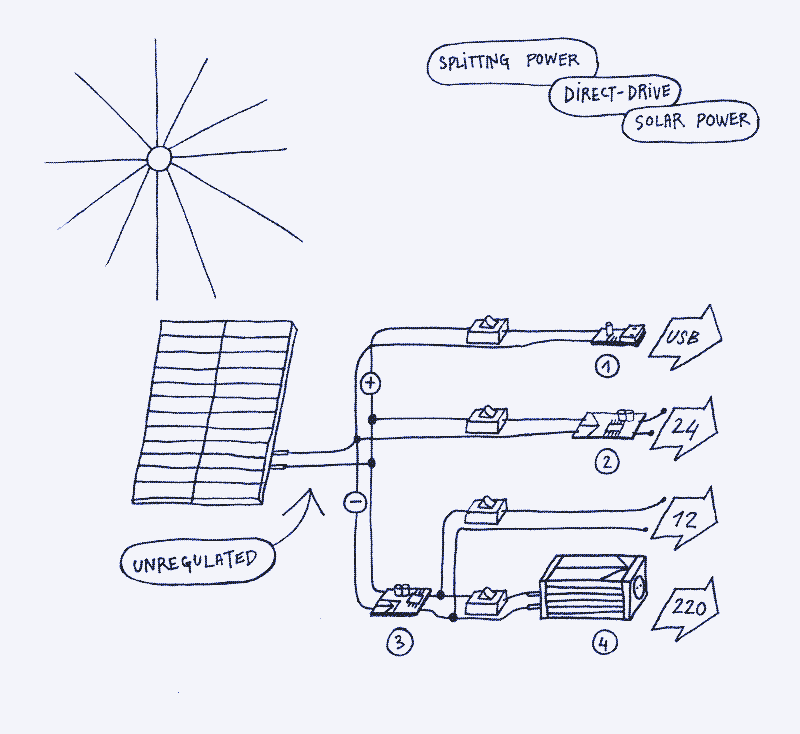
Solar panel DIY systems allow you to generate electricity from sunlight, making it an attractive option for those looking to reduce their reliance on fossil fuels. A typical solar panel system consists of a solar panel, charge regulator, inverter, battery, cables, and fuses. We’ll delve into each component and explain its role in the system.
Choosing the Right Solar Panel
For a low-cost solar panel system, we recommend starting with a 20W solar panel that produces direct current at 12 volts. This panel can be mounted on an optional support, such as plastic, wood, or recycled materials, to ensure secure attachment at the optimal angle of 30-35 degrees. The closer you are to the Mediterranean and move north, the closer you get to this ideal angle.
When selecting a solar panel, consider the following factors:
- Wattage: A higher wattage means more power output, but also increases the cost.
- Voltage: Most solar panels produce direct current (DC) at 12 volts. Make sure your charge regulator can handle this voltage.
- Efficiency: Look for high-efficiency solar panels that convert a larger percentage of sunlight into electricity.
Solar Charge Regulator
The solar charge regulator is the brain of the system, controlling and deciding when to recharge the battery connected to the system. It provides information on the battery’s state of charge, whether it’s currently being charged, or if there’s available energy for immediate consumption. You can buy a solar charge regulator for less than $10, but you’ll need to dimension it differently if you choose a more powerful solar panel.
When selecting a solar charge regulator, consider the following factors:
- Compatibility: Make sure the regulator is compatible with your solar panel and battery.
- Efficiency: Look for high-efficiency regulators that minimize energy loss.
- Features: Consider additional features such as temperature compensation and monitoring capabilities.
Inverter
The inverter converts direct current to alternating current (AC), providing a voltage output of 220-230V, exactly as required by your household appliances. This type of inverter has two USB ports that are useful for charging tablets, smartphones, and other small devices with batteries. The inverter is the most expensive component of the solar panel system.
When selecting an inverter, consider the following factors:
- Wattage: Choose an inverter with a wattage that matches your solar panel’s power output.
- Efficiency: Look for high-efficiency inverters that minimize energy loss.
- Features: Consider additional features such as monitoring capabilities and remote control.
Battery
You can either recycle an old motorcycle or car battery or buy a specialized battery designed specifically for this purpose. A 12V lead-acid battery with a capacity of 7.2Ah is recommended, as it provides adequate power storage for our solar panel DIY system. The cost of the appropriate battery can range from $10 to $30.
When selecting a battery, consider the following factors:
- Capacity: Choose a battery with a capacity that matches your solar panel’s power output and storage needs.
- Type: Lead-acid batteries are suitable for most solar panel systems, but you may also consider other types such as lithium-ion or nickel-metal hydride.
- Brand: Research reputable brands that offer high-quality batteries.
Cables and Fuses
To ensure safe installation, use cables with a minimum section of 2.5 mm. If you purchase a regulator with protections, insert two fuses: one between the solar panel and the regulator, and another between the regulator and the inverter.
When selecting cables and fuses, consider the following factors:
- Gauge: Use thicker gauges to minimize energy loss.
- Material: Choose high-quality materials that can withstand outdoor conditions.
- Compatibility: Make sure cables and fuses are compatible with your solar panel and regulator.
Building a Stronger Solar Panel System
With our initial system setup, you have a power output of 20W and a storage capacity of approximately 41Wh. This means you can charge a LED lamp with 10 watts for about 4 hours. The battery will be fully charged in an entire winter day while in summer it will take half the time.
To increase energy production, choose more powerful solar panels and associate them with a higher capacity battery. Consider adding additional components such as:
- A larger battery to store excess energy
- Additional solar panels to increase power output
- A charge controller to regulate energy flow
Independent Solar System
An independent solar system can be used anywhere, from boats to campers, camping or in mountain cabins. This flexibility makes it an excellent option for those who want to harness clean energy independently.
When setting up an independent solar system, consider the following factors:
- Power output: Choose a solar panel with a sufficient power output to meet your energy needs.
- Storage capacity: Select a battery that can store excess energy for later use.
- Energy efficiency: Consider the energy efficiency of your appliances and choose ones that require minimal power.
Conclusion
Installing a solar panel system is a great way to reduce your reliance on fossil fuels and lower your energy bills. With our comprehensive guide, you now know the necessary components, installation methods, and benefits of this eco-friendly solution. Start building your own solar panel system today and join the renewable energy revolution!
Frequently Asked Questions
Q: What is the optimal angle for mounting solar panels?
A: The optimal angle for mounting solar panels is between 30-35 degrees.
Q: How do I choose a suitable battery capacity?
A: Choose a battery with a capacity that matches your solar panel’s power output and storage needs.
Q: Can I use recycled materials to support my solar panel?
A: Yes, you can use recycled materials such as plastic, wood, or other sustainable options for supporting your solar panel.
Q: How do I ensure safe installation of the system?
A: Use cables with a minimum section of 2.5 mm and insert two fuses between the solar panel and regulator, and between the regulator and inverter.
Q: Can I use a solar panel kit as a standalone system?
A: Yes, there are various kits of solar panels on sale that can be used as standalone systems.
Q: How long does it take to fully charge a battery in an entire winter day?
A: The time it takes to fully charge a battery depends on the capacity and power output of the solar panel.
Q: Can I use my solar panel system at night?
A: Yes, you can turn off the inverter during nighttime hours when the system is not producing energy.


