
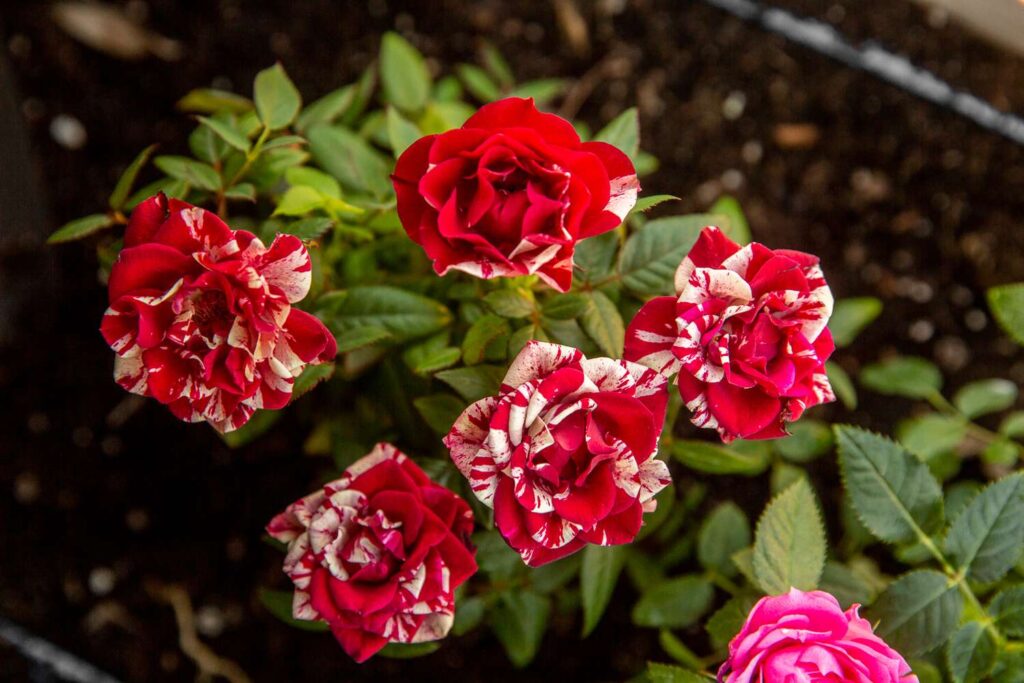
As one of the most beloved and versatile flowers in gardening, roses have been extensively hybridized over time. Among these, dwarf roses have gained immense popularity due to their compact size, ease of cultivation, and stunning blooms. In this article, we’ll delve into the world of dwarf roses, exploring how to cultivate them, care for them, and overcome common challenges.
What are Dwarf Roses?
Dwarf roses, also known as “mignon” or “miniature” roses, are a type of rose that has been bred to be compact and bushy. They typically grow to be no taller than 30-35 cm (12-14 inches) in height, making them ideal for small gardens, containers, or even indoor spaces. Despite their small size, dwarf roses are just as beautiful and fragrant as their larger counterparts.
Choosing the Right Dwarf Rose Varieties
With so many varieties of dwarf roses available, selecting the right one can be overwhelming. Some popular options include:
- Big Apple: A non-arbustive variety that reaches only 120 cm (48 inches) in height.
- Rosa alpina or Rosa pendula: Perfect for hanging baskets or containers.
- Rose de Rescht: Requires regular pruning to maintain its shape and promote new growth.
Preparing the Soil for Dwarf Roses
When it comes to growing dwarf roses, having a well-prepared soil is essential. Use a fertile, drenched potting mix that drains excess water easily. If your soil lacks nutrients, consider adding organic matter like compost or manure to improve its fertility.
- pH Level: Most dwarf rose varieties prefer a slightly acidic to neutral soil pH (around 6.0-7.0).
- Soil Texture: Dwarf roses thrive in well-draining soils with good structure.
- Nutrient Content: Ensure the potting mix contains adequate nutrients, including nitrogen, phosphorus, and potassium.
Acquiring and Acclimating Your Dwarf Rose Plant
Dwarf rose plants typically come in small pots (7-8 cm / 3-4 inches in diameter). When purchasing, ask the seller when the last time they were repotted. This will give you an idea of how well-suited the plant is to its container.
When transferring your dwarf rose to a new pot, use a slightly larger one (10-12 cm / 4-5 inches in diameter) and ensure good drainage. If you want to create an abundance of blooms, you can plant them directly into the ground or a border bed with plenty of sunlight.
Pruning Your Dwarf Rose
While dwarf roses don’t require extensive pruning like their larger counterparts, some maintenance is still necessary:
- Remove Dead Leaves and Stems: Regularly inspect your plants for signs of disease or pests.
- Cut Back Overgrown Branches: Trim back any overgrown branches to encourage new growth.
- Trim Tips to Encourage Branching: Cut back the tips of each stem to promote branching.
Concimizing Your Dwarf Rose
Dwarf roses are heavy feeders and require regular fertilization. Follow these guidelines for optimal results:
- First Fertilization: Apply a high-nitrogen fertilizer (10-20-10 NPK) in early spring, around late April or May.
- Second Fertilization: Use a balanced fertilizer (5-10-10 NPK) in mid-spring, about 4-6 weeks after the first application.
Some popular organic fertilizers for roses include:
- Concime Compo arricchito con guano
- E.B. Stone Organics Bloom! 5-3-4 NPK Fertilizer
Bury a thin layer of fertilizer into the soil after watering to release nutrients gradually.
Common Challenges and Solutions
While growing dwarf roses can be rewarding, some common issues may arise:
- Pests: Regularly inspect your plants for signs of pests like aphids, whiteflies, or spider mites. Use neem oil or insecticidal soap to treat infestations.
- Diseases: Watch out for fungal diseases like powdery mildew or black spot. Practice good hygiene by removing infected leaves and stems.
Conclusion
Growing dwarf roses can be a delightful experience, especially with the right guidance. By following these tips, you’ll be well on your way to cultivating beautiful, fragrant blooms in your own garden.


