
What is Osteoarthritis?
Osteoarthritis (OA) is the most common form of arthritis, a chronic condition that affects the health of joints. It occurs when the cartilage that cushions bones in joints breaks down, causing friction between bones, leading to pain, stiffness, and limited mobility.
Causes of Osteoarthritis
Several factors can contribute to the development of osteoarthritis:
- Work-related physical demands: Repetitive strain on joints from jobs such as construction, manufacturing, or assembly line work
- Previous joint injuries: Trauma or injury to a joint, which can lead to wear and tear on cartilage
- Age: Osteoarthritis is more common in older adults due to the natural wear and tear of joints over time
- Genetics: Family history plays a role, as some people may be more prone to developing OA due to genetic factors
- Obesity: Excess weight puts additional stress on joints, particularly in the hips, knees, and spine
Common Symptoms of Osteoarthritis
While symptoms can vary from person to person, common signs of osteoarthritis include:
- Pain: Aching or sharp pain in one or more joints
- Stiffness: Reduced flexibility and range of motion in affected joints
- Limited mobility: Difficulty moving or performing daily activities due to joint pain and stiffness
- Swelling: Mild swelling or inflammation around the affected joint
Osteoarthritis: Treatment and Prevention Strategies
While there is no definitive cure for osteoarthritis, adopting healthy habits can help prevent its progression. Even though the severity of OA varies from person to person, it inevitably affects quality of life. Recent research has made significant strides in controlling this condition.
Regular Physical Activity
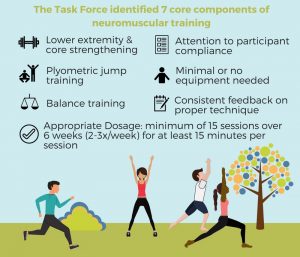
Exercise promotes overall body health and joint mobility. This includes gentle exercises that improve flexibility and strength around affected joints. Regular exercise can help alleviate symptoms by:
- Strengthening muscles surrounding the joints: Building muscle mass helps support weight-bearing joints
- Reducing pain: Exercise can reduce pain and inflammation in OA-affected joints
- Improving function: Regular physical activity helps maintain range of motion and functional ability
Recommended physical activities for OA include:
- Low-impact aerobic exercises (e.g., walking, swimming): Gentle exercises that promote cardiovascular health without putting excessive stress on joints
- Stretching exercises: Static stretches can help improve flexibility and reduce stiffness
- Resistance training: Strengthening muscles around affected joints can help alleviate pain and improve function
Weight Loss
Maintaining a healthy weight can help alleviate joint pressure and reduce symptoms. Losing weight not only improves mobility but also lowers the risk of other complications, such as:
- Joint degeneration: Excess weight puts additional stress on joints, leading to accelerated wear and tear
- Other musculoskeletal problems: Obesity increases the risk of developing conditions like back pain, sciatica, or hip fractures
Some effective strategies for losing weight include:
- A balanced diet with portion control: Eating a well-rounded diet with limited calorie intake can help reduce weight
- Regular exercise: Engaging in regular physical activity, such as walking or swimming, can promote weight loss and improve overall health
- Stress management techniques (e.g., meditation, yoga): Reducing stress levels through relaxation techniques can aid in weight loss
Good Sleep Habits
Adequate sleep is essential for overall health. Poor sleep quality can worsen symptoms and reduce mobility. Some tips for improving sleep hygiene include:
- Establishing a consistent sleep schedule: Going to bed and waking up at the same time each day helps regulate body rhythms
- Creating a relaxing bedtime routine: Engaging in calming activities before bed, such as reading or meditation, can promote relaxation
- Avoiding stimulating activities before bedtime: Steer clear of electronic devices, exercise, or other stimulating activities that may interfere with sleep
Additionally, consuming soothing beverages or teas before bed can promote relaxation. Some options include:
- Chamomile tea: Known for its calming effects, chamomile tea can help reduce stress and promote relaxation
- Tart cherry juice: Rich in melatonin, tart cherry juice can aid in regulating sleep-wake cycles
Warm Therapy
Applying heat to affected joints can help dilate blood vessels and improve circulation. This technique has anti-inflammatory properties that may aid in pain relief. To try warm therapy:
- Soak a cloth in warm water: Dampening a towel with warm water can help increase blood flow to the affected area
- Apply the damp cloth to the joint for 15-20 minutes, followed by a brief pause before repeating: Gradually increasing heat application can help alleviate pain and inflammation
Cool Therapy
On the other hand, cold temperatures can help reduce inflammation and alleviate pain. For cool therapy:
- Wrap ice cubes in a towel to avoid direct contact with skin: Wrapping ice in a towel can prevent frostbite while still providing relief from pain
- Apply the icy compress to the affected area for 20 minutes at a time: Alternating between warm and cool therapy can help reduce inflammation and promote healing
Alternative Therapies
Some alternative therapies may be beneficial in managing osteoarthritis symptoms:
- Acupuncture: Involves inserting thin needles into specific points on the body to stimulate healing and pain relief
- Massage therapy: Gentle massage techniques can help reduce muscle tension and improve circulation
- Chiropractic care: Spinal manipulation and other chiropractic techniques can help alleviate joint pain and stiffness
Lifestyle Changes
Making lifestyle changes can significantly impact osteoarthritis management:
- Quitting smoking: Smoking cessation can reduce the risk of developing OA-related complications, such as cardiovascular disease
- Limiting sedentary activities: Engaging in regular physical activity can help maintain joint mobility and reduce pain
- Avoiding repetitive strain injuries: Taking regular breaks to rest and stretch can prevent injury and alleviate pain
By incorporating these strategies into daily life, individuals with osteoarthritis can improve their symptoms, enhance their quality of life, and reduce the risk of complications. Consult a healthcare professional before starting any new exercise or treatment plan.


