
Introduction
In 2012, the renewable energy sector experienced significant growth in Italy, with the first estimates from the GSE (Gestore Servizi Energetici) indicating a substantial increase in new installations. This article will explore the trends and developments in the Italian renewable energy sector in 2012, highlighting the growth of different types of renewable energy sources.
Rise of Renewable Energy in Italy
The first signs of the growing importance of renewable energy in Italy emerged at the beginning of March 2013, with the GSE publishing its estimates for new installations. The total installed capacity rose by approximately 5700 MW, indicating a significant increase in the adoption of renewable energy sources.
Solar Energy: The Leader of Growth
Among the different types of renewable energy sources, solar power experienced the most significant growth in terms of production and efficient power generation. Solar energy was followed closely by wind power and biomass, which includes solid biomass, biogas, and biofuels. This surge in solar energy adoption can be attributed to a combination of factors, including government incentives, decreasing costs, and technological advancements.
Contraction of Geothermal Energy
However, geothermal energy experienced a slight decline in production, despite maintaining its effective power generation capacity. While geothermal energy still plays an important role in Italy’s renewable energy mix, the decrease in production highlights the need for continued investment and innovation to improve efficiency and competitiveness.
Challenges Ahead
Despite the growth of the renewable energy sector, there are concerns about the future prospects for this industry. The uncertainty surrounding government policies and the lack of clear direction could hinder further growth and development. Additionally, challenges related to grid integration, storage, and transmission infrastructure need to be addressed to ensure a seamless integration of renewable energy sources into the existing energy system.
A Call to Action
Agostino Re Rebaudengo, President of APER (Associazione Produttori Energia Rinnovabile), emphasizes the importance of adopting a coherent policy that promotes the increasing use of renewable energy sources. He highlights the need for a clear direction from the government, in line with European and national energy strategies.
26 Actions for Sustainable Electricity Development
APER has proposed 26 actions to support the development of sustainable electricity generation in Italy, which were endorsed by major political parties before the elections. These actions aim to promote the integration of renewable energy sources into the Italian energy mix, including:
- Increasing investment in solar and wind power
- Improving grid infrastructure to accommodate renewable energy sources
- Developing biomass and biogas production capacities
- Enhancing energy storage solutions for renewable energy
- Implementing smart grids and IoT technologies
The Benefits of Renewable Energy
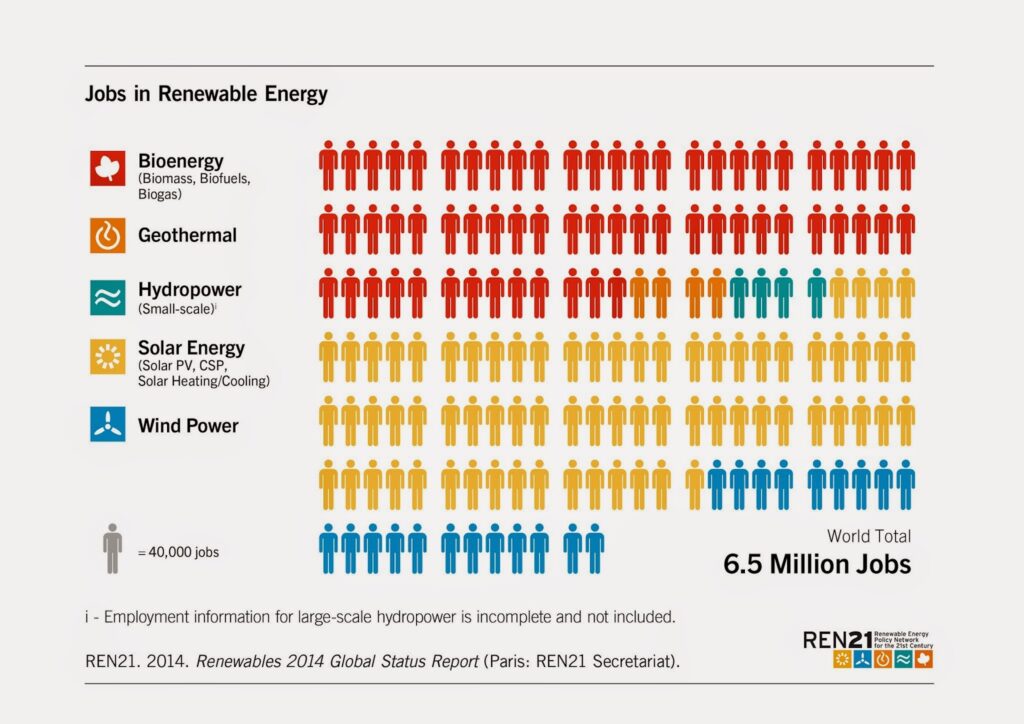
Rebaudengo highlights the benefits of developing the renewable energy sector, including reduced energy costs, new jobs, and improved air quality, resulting from decreased emissions and greenhouse gas emissions. The adoption of renewable energy sources can also contribute to energy security, as countries become less reliant on imported fossil fuels.
Renewable Energy and Italy’s EU Strategy
The European Union has set ambitious targets for reducing greenhouse gas emissions and increasing the share of renewable energy in the energy mix. Italy aims to increase its renewable energy production to 35% of total electricity generation by 2030. The country is also committed to reducing carbon dioxide emissions from transportation to 90% below 1990 levels.
The Role of Public-Private Partnerships
Public-private partnerships are essential for the growth and development of the renewable energy sector in Italy. These partnerships can help bridge the funding gap, improve technology adoption, and enhance knowledge sharing between industry stakeholders. The Italian government has launched various initiatives to promote public-private partnerships, including tax incentives and funding schemes.
Italy’s Renewable Energy Roadmap
The Italian government has developed a comprehensive roadmap for renewable energy development, which includes targets, strategies, and action plans. The roadmap aims to increase the share of renewable energy in the energy mix, improve grid infrastructure, and enhance research and development activities.
Conclusion
In conclusion, the renewable energy sector in Italy experienced significant growth in 2012, with solar power emerging as the leader of this trend. However, challenges ahead, such as government policy uncertainty, threaten to hinder further progress. A clear direction from the government is essential to ensure the continued development and growth of this important industry.
FAQs
- What was the total installed capacity of renewable energy sources in Italy in 2012?
The first estimates from the GSE indicated a total installed capacity of approximately 5700 MW. - Which type of renewable energy experienced the most significant growth in terms of production and efficient power generation in 2012?
Solar energy emerged as the leader, followed by wind power and biomass. - What is the current situation regarding geothermal energy in Italy?
Geothermal energy experienced a slight decline in production, despite maintaining its effective power generation capacity. - Why is policy coherence crucial for the growth of renewable energy in Italy?
Uncertainty surrounding government policies can hinder further growth and development of the sector. - What are the proposed actions to support sustainable electricity development in Italy?
APER has proposed 26 actions to promote the integration of renewable energy sources into the Italian energy mix. - How will a clear direction from the government impact the growth of the renewable energy sector in Italy?
A clear direction will ensure continued development and growth, while policy uncertainty can hinder progress. - What are some of the benefits of developing the renewable energy sector in Italy?
Reduced energy costs, new jobs, and improved air quality are among the expected outcomes. - How can the government support the growth of the renewable energy sector in Italy?
A coherent policy direction is essential to ensure continued development and growth of this important industry.
Recommendations for Future Growth
To further accelerate the growth of the renewable energy sector in Italy, the following recommendations are proposed:
- Enhance government incentives for renewable energy investments
- Improve grid infrastructure and transmission capacity
- Develop energy storage solutions to enhance renewable energy adoption
- Promote public-private partnerships to bridge funding gaps
- Develop research and development programs to improve technology efficiency and competitiveness
By implementing these recommendations, Italy can unlock the full potential of its renewable energy sector and contribute to a sustainable energy future for the country and the EU as a whole.


