
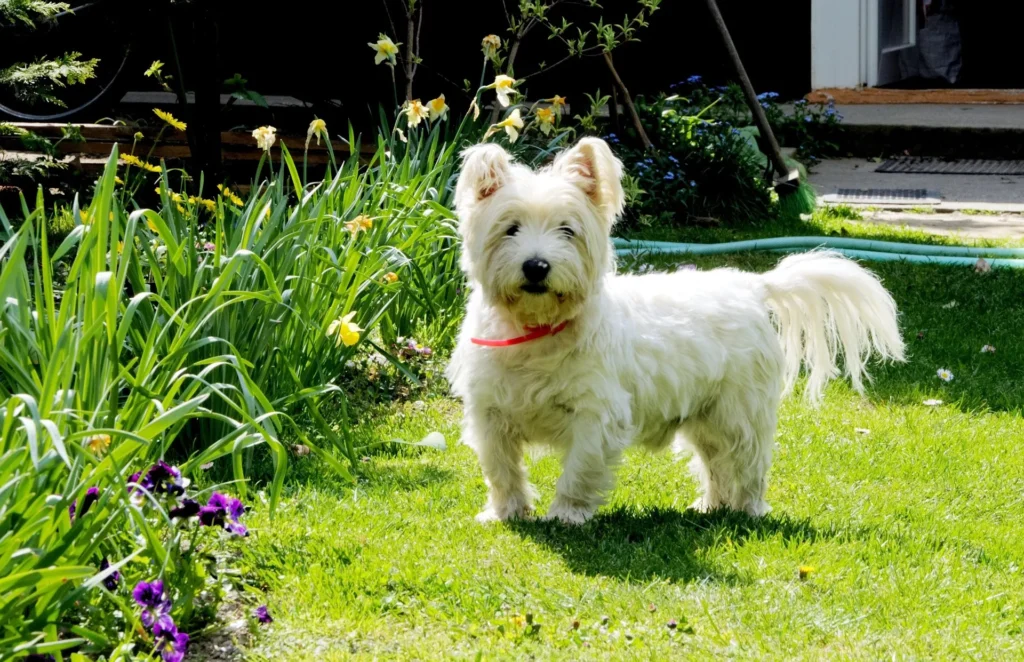
As we gaze into the eyes of a West Highland White Terrier, also affectionately known as a Westie, it’s hard not to be charmed by their lively spirit and elegant appearance. Originating from Scotland, this small but feisty breed has captured the hearts of many dog enthusiasts worldwide.
Origins of the West Highland White Terrier
The West Highland White Terrier was developed from the Cairn Terrier, with a specific focus on creating a white-coated variant. This process was initiated by Colonel Malcolm, who hand-picked individual dogs for their unique coat color and personality traits. The breed’s name has undergone several transformations over time, eventually settling on “Westie.” Its first official appearance was at the Cruft dog show in 1887, where it quickly gained popularity across Britain.
Characteristics of the West Highland White Terrier
The West Highland White Terrier is renowned for its vivacity and courage, often engaging in impromptu battles with larger animals. While this bold nature can make them challenging to socialize with other dogs, they are affectionate and loving companions. They tend to be wary of strangers but warm up quickly once trusted. With great loyalty to their owners and families, Westies are excellent “babysitters” for children, offering a gentle yet playful presence.
Physical Appearance
West Highland White Terriers boast an endearing appearance, with a compact body (typically under 30 cm in height), weighing between 6-8 kg, and featuring a robust skull, prominent cheekbones, dark eyes, and erect, pointed ears. Their coat is short, dense, and white, while their bellies are typically white as well, making them an irresistible bundle of energy.
Reproduction and Nutrition
When it comes to reproduction, the West Highland White Terrier has an average gestation period of 63 days. Female dogs often exhibit signs of fatigue around the second month of pregnancy, indicating that they’re expecting a litter of puppies. As for nutrition, maintaining a balanced diet is crucial during different stages of life: puppyhood (3 meals a day), adulthood (2 meals a day), and senior years (moderated portions to prevent digestive issues).
Caring for Your West Highland White Terrier
When raising a Westie, it’s essential to pay attention to their dietary needs. Proteins must be consumed in moderation, as excessive consumption can lead to skin problems and liver issues. Adequate hydration is also necessary, particularly during senior years when kidney health becomes a concern.
The Cuteness of West Highland White Terrier Puppies
West Highland White Terrier puppies are bundles of joy, full of energy and enthusiasm. They’re naturally inquisitive, interacting freely with their surroundings. While they may be fearless, it’s crucial to supervise interactions with other animals to ensure everyone’s safety.
The Price of a Westie
A West Highland White Terrier typically costs between €600 and €1,000, depending on factors like breeder reputation, bloodline, and health clearances.
Health Concerns for West Highland White Terriers
Westies are susceptible to certain genetic disorders, including:
- Morbo di Wilson (a liver disorder)
- Dermatitis
- Brachycephalic syndrome
- Legg-Calvé-Perthes disease
- Eye problems
Regular veterinary check-ups can help identify potential issues early on.
FAQs
-
How often should I feed my West Highland White Terrier?
- Puppies: 3 meals a day, gradually transitioning to 2 meals as they grow.
- Adults: 2 meals a day, with moderate portions.
- Seniors: Limited portions, focusing on hydration and digestive health.
-
Can West Highland White Terriers be left alone for extended periods?
- While some Westies can tolerate solitude, it’s essential to provide regular exercise and attention to prevent boredom and destructive behavior.
-
How do I keep my West Highland White Terrier’s coat healthy?
- Regular grooming (brushing, nail trimming) helps maintain a clean, shiny coat.
-
Can West Highland White Terriers be trained effectively?
- Yes, with positive reinforcement techniques and consistent training, Westies can learn a range of commands and behaviors.
-
What are some common health issues in West Highland White Terriers?
- The breed is prone to liver problems, skin issues, breathing difficulties, joint issues, and eye problems.
-
Can I have multiple West Highland White Terriers as pets?
- Introducing new dogs to the household should be done gradually, under close supervision to prevent conflicts.
-
How do I choose a reputable breeder for my West Highland White Terrier?
- Researching the breeder’s reputation, health clearances, and temperament evaluation can help ensure you’re getting a healthy, well-socialized puppy.
-
What are some fun activities to engage in with my West Highland White Terrier?
- Agility training, obedience courses, fetch, and playtime in parks or backyards are excellent ways to provide exercise and mental stimulation for your Westie.
Conclusion
The West Highland White Terrier is a dynamic, loving breed that thrives on attention, social interaction, and regular exercise. By understanding their unique characteristics, nutritional needs, and potential health concerns, you can provide the best possible life for your new furry companion. With patience, love, and dedication, you’ll be rewarded with a lifelong friendship built upon mutual trust, loyalty, and companionship.
West Highland White Terrier Grooming
Maintaining your Westie’s coat is crucial to prevent matting and tangling, which can cause discomfort and skin irritation. Brushing their coat regularly (2-3 times a week) will help distribute natural oils and remove dirt and debris. Nail trimming, ear cleaning, and dental care should also be done on a regular basis to ensure your Westie remains clean and healthy.
West Highland White Terrier Training
Positive reinforcement training is the most effective way to train a West Highland White Terrier. Consistency, patience, and rewarding good behavior will help you establish a strong bond with your dog. Housebreaking, obedience commands (sit, stay, come), and socialization are essential aspects of their development.
West Highland White Terrier Exercise
West Highland White Terriers require regular exercise to maintain physical and mental health. Daily walks (30-45 minutes) can be supplemented with playtime in the park or backyard. Agility training, fetch, and obedience courses provide mental stimulation while improving physical fitness.
West Highland White Terrier Health Check-Ups
Regular veterinary check-ups are vital to detect potential health issues early on. Your veterinarian will monitor your Westie’s weight, coat condition, eye health, dental care, and overall well-being to ensure they remain a healthy and vibrant companion.
West Highland White Terrier Socialization
Socialization is crucial for developing good behavior and preventing anxiety in dogs. Exposing your Westie to various environments (people, animals, sounds), places, and experiences will help them become confident, calm, and friendly companions.
West Highland White Terrier Nutrition
A balanced diet consisting of high-quality protein sources, moderate fat content, and whole grains will support your Westie’s overall health. Feeding puppies a nutrient-rich diet, adjusting portions according to age and weight, and monitoring digestive health will help prevent common issues like diarrhea or constipation.
West Highland White Terrier Care Tips
Caring for a West Highland White Terrier requires attention to their nutritional needs, regular grooming, exercise, and socialization. By following these care tips, you’ll be able to provide the best possible life for your new furry companion:
- Feed a balanced diet
- Groom regularly
- Provide adequate exercise
- Socialize extensively
- Monitor health closely
By understanding the unique needs and requirements of the West Highland White Terrier, you’ll be well-equipped to provide a happy, healthy life for your new furry companion.
West Highland White Terrier Breeder Directory
For those seeking to adopt or purchase a West Highland White Terrier, it’s essential to find a reputable breeder. Here is a list of some well-established breeders in the UK:
- Hilltop Farm
- White Bear Kennels
- Cairn Terrier Club of America
Please note that this is not an exhaustive list, and there are many other reputable breeders available.
West Highland White Terrier Rescue Organizations
For those who have adopted a Westie from a shelter or rescue organization, here are some resources to help you care for your new furry friend:
- West Highland White Terrier Rescue UK
- Cairn Terrier Rescue
- Dogs Trust


