
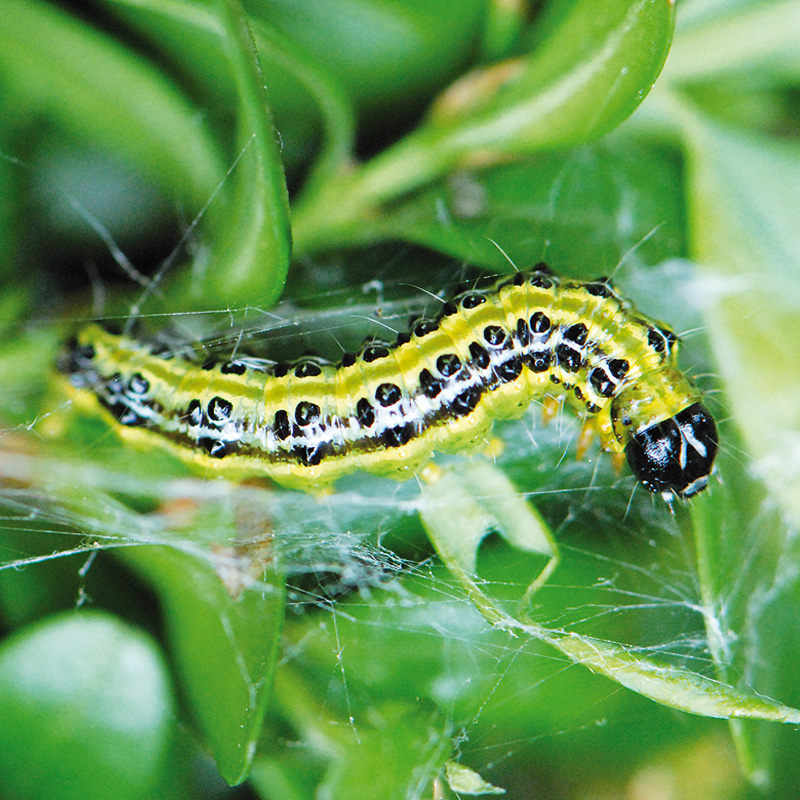
As I stood in front of my beloved bush, I couldn’t help but feel a sense of horror. The caterpillar destroyer of the bush, also known as Cydalima perspectalis, had struck again. This tiny insect had wreaked havoc on our garden, leaving behind a trail of destruction and despair.
I’ve been taking care of this bush for years, pruning its branches, watering it, and admiring its beauty. It’s like an old friend to me, and I take great pride in its well-being. But one day, I noticed that the bush had started to turn brown and wilted, and when I checked on it a week later, I was shocked to find that most of its leaves had already fallen off.
The gardeners told me that it was the work of the caterpillar destroyer, but I couldn’t believe it. How could something so small cause so much damage? I thought back to my last visit to the bush in July, when I had seen some strange eggs on the stems. I had brushed them off as a sign of beneficial insects, like butterflies or bees, but now I realized that they were actually eggs from this pesky caterpillar.
The History of the Caterpillar Destroyer
Cydalima perspectalis is an Asian insect that has been introduced to many parts of the world, including Europe and North America. It was first detected in Germany in 2007, but it didn’t become a major problem until it arrived in Italy in 2011 on Lake Maggiore.
The caterpillar destroyer is known for its ability to infest and destroy a wide range of plants, including ornamental trees and shrubs like my beloved bush. It’s a serious pest that can cause significant damage to gardens and landscapes.
But how did this tiny insect become such a major problem? The answer lies in the history of the caterpillar destroyer. In its native habitat in Asia, Cydalima perspectalis was a minor pest that caused little harm to plants. However, when it was introduced to Europe and North America, it quickly adapted to new environments and began to spread rapidly.
Today, the caterpillar destroyer is found on every continent except Antarctica, and it’s considered one of the most significant pests in European gardens. Its impact on agriculture and horticulture has been devastating, with estimates suggesting that it can cause losses of up to 50% in some areas.
Identifying the Caterpillar Destroyer
If you suspect that your bush has been attacked by the caterpillar destroyer, here are some signs to look for:
- Brown or yellowish eggs on the stems
- Small, white, fuzzy caterpillars with a distinctive “tail” (up to 4 cm long)
- Damage to leaves and stems, particularly in areas where the caterpillars have fed
Preventing Infestation
To prevent infestation by the caterpillar destroyer, it’s essential to take action early. Here are some tips:
- Inspect your bush regularly for signs of damage or eggs
- Use insecticidal soap or neem oil to control infestations
- Prune infected areas to prevent further damage
Regular inspections can help catch the problem early, before it gets out of hand. By being vigilant and taking preventative measures, you can reduce the risk of infestation by this pesky caterpillar.
Treatment and Control
If you’ve already been affected by the caterpillar destroyer, there are several treatment options available. Here are some steps you can take:
- Consult with a garden expert or entomologist for advice on the best treatment methods
- Use insecticidal soap or neem oil to control infestations
- Prune infected areas to prevent further damage
- Consider using Bacillus thuringiensis Aizawai, a natural pesticide that is effective against the caterpillar destroyer
When it comes to treating your bush for infestation by the caterpillar destroyer, there are several options available. However, it’s essential to consult with a garden expert or entomologist before taking any action. They can help you determine the best course of treatment and provide advice on how to prevent re-infestation.
Conclusion
The caterpillar destroyer of the bush is a serious pest that can cause significant damage to gardens and landscapes. By being aware of its signs and symptoms, taking preventive measures, and using effective treatment methods, you can protect your beloved plants from this tiny but devastating insect.
But it’s not just about protecting our gardens – the caterpillar destroyer also has economic and environmental implications. The loss of crops due to infestation by this pest can have significant impacts on farmers and food producers. Furthermore, the spread of the caterpillar destroyer can lead to a decline in biodiversity, as native plants are replaced by non-native species.
Frequently Asked Questions (FAQs)
-
Q: How do I prevent infestation by the caterpillar destroyer?
A: Inspect your bush regularly for signs of damage or eggs, use insecticidal soap or neem oil to control infestations, and prune infected areas to prevent further damage. -
Q: What are the symptoms of an infestation by the caterpillar destroyer?
A: Brown or yellowish eggs on the stems, small, white, fuzzy caterpillars with a distinctive “tail” (up to 4 cm long), and damage to leaves and stems, particularly in areas where the caterpillars have fed. -
Q: Is there a cure for infestation by the caterpillar destroyer?
A: While there is no guaranteed cure, using insecticidal soap or neem oil can help control infestations. Pruning infected areas can also prevent further damage. -
Q: Can I use natural pesticides to control the caterpillar destroyer?
A: Yes, Bacillus thuringiensis Aizawai is a natural pesticide that is effective against the caterpillar destroyer. -
Q: How long does it take for the caterpillar destroyer to kill the bush?
A: The time it takes for the caterpillar destroyer to kill the bush depends on several factors, including the severity of the infestation and the effectiveness of treatment methods. -
Q: Can I prevent re-infestation by the caterpillar destroyer?
A: Yes, regular inspections, pruning of infected areas, and use of insecticidal soap or neem oil can help prevent re-infestation. -
Q: Is the caterpillar destroyer a serious pest?
A: Yes, the caterpillar destroyer is a serious pest that can cause significant damage to gardens and landscapes. -
Q: Can I treat my bush for infestation by the caterpillar destroyer without consulting a professional?
A: While it’s possible to treat your bush yourself, consulting a garden expert or entomologist may be necessary to determine the best course of action.


