
Introduction
As we explore the world’s oceans, it’s easy to get caught up in the majesty of larger marine mammals like whales and dolphins. But there’s a smaller, yet equally fascinating creature that deserves our attention – the vaquita. Native to the Gulf of California, this species has been dwindling in numbers due to human activities, making its survival a pressing concern.
What is a Vaquita?
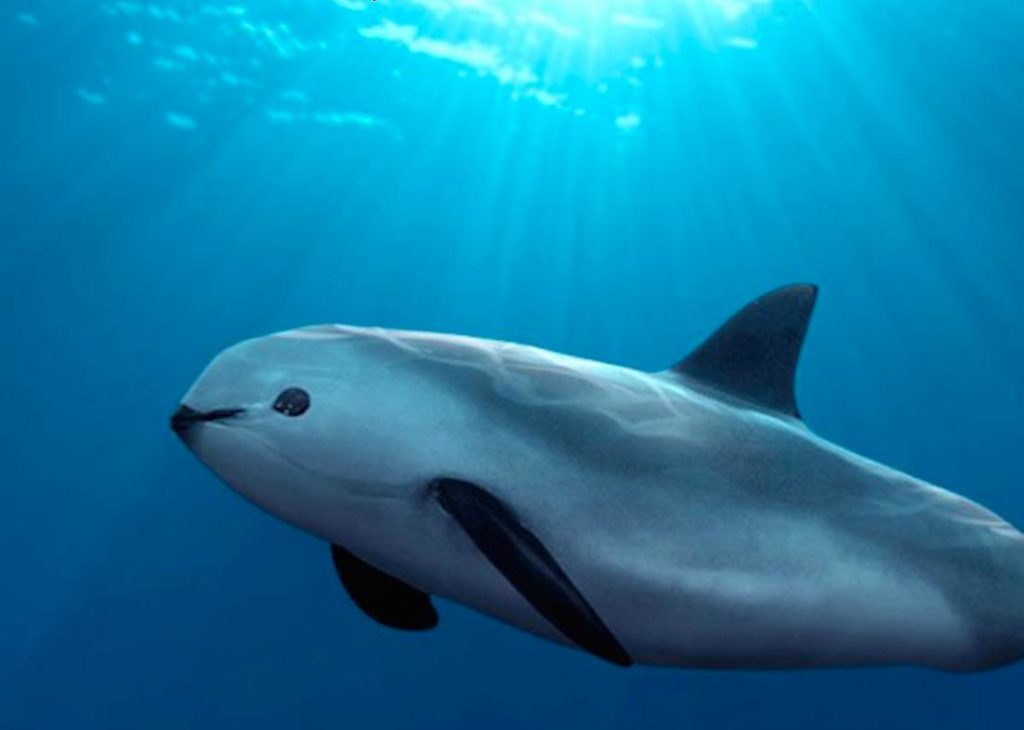
Despite its name, which translates to “pork baby,” the vaquita is actually a type of porpoise, not a dolphin. Reaching lengths of up to 2 meters and weighing around 50-60 kg, it’s a robust animal with distinctive features. Its body has a curved shape, similar to that of other porpoises, but its coloration is more striking. The black ring around its eye and white patches on its lips create an adorable yet elegant appearance.
Habitat and Distribution
The vaquita inhabits the Gulf of California, specifically in the northern part of the region known as the Cortez Sea. This area is home to a variety of marine life, but the vaquita’s presence is limited due to the presence of other species like dolphins and whales.
Behavior and Diet
Vaquitas are relatively calm animals, preferring to spend their time swimming slowly in search of food. Their diet consists mainly of small fish and crustaceans found in shallow waters along the coast. They’re not picky eaters, often consuming whatever they can find.
Unlike other porpoises, vaquitas don’t venture into deep waters, typically staying at depths of up to 30 meters. This limited depth range allows them to avoid areas with strong currents or predators.
Conservation Status
Unfortunately, the vaquita is an endangered species, threatened by human activities such as fishing nets and habitat destruction. With fewer than 100 individuals remaining, conservation efforts are necessary to prevent its extinction.
The Vaquita Rescue Effort
In 2017, Mexico launched a rescue plan, supported by organizations like Leonardo DiCaprio’s environmental foundation. The goal is to protect the vaquita’s habitat and remove fishing nets that harm or kill the animals.
However, this effort is not without challenges. Some of the nets used for fishing are illegal, but many others are used specifically for catching totoaba fish, which have a valuable bladder sac on their swim bladder. This has led to a situation where vaquitas are accidentally caught in these nets.
Saving the Vaquita: A Complex Task
While it may seem simple to save the vaquita, the reality is that this species faces numerous risks and challenges. The rescue effort requires careful planning and execution, taking into account the complexities of the environment and the limited number of individuals remaining.
The ultimate goal is to restore the vaquita’s natural habitat by removing harmful fishing nets and promoting sustainable fishing practices. This will require international cooperation and a commitment to protecting this unique species.
Challenges in Conservation Efforts
One of the biggest challenges facing conservation efforts for the vaquita is the need for effective enforcement. The Gulf of California is a vast area, making it difficult to monitor and enforce regulations.
Additionally, the vaquita’s habitat is vulnerable to damage from coastal development and other human activities. Protecting this delicate ecosystem requires careful planning and coordination with local communities and government agencies.
The Importance of International Cooperation
Conservation efforts for the vaquita are not limited to Mexico alone. The species’ habitat spans across the US-Mexico border, making international cooperation essential for its survival.
Organizations like the World Wildlife Fund (WWF) and the International Union for Conservation of Nature (IUCN) have been working closely with Mexican authorities to develop a comprehensive conservation plan.
Community Engagement
Engaging local communities in vaquita conservation efforts is crucial for success. Fishing communities in the Gulf of California are often caught off guard by the presence of vaquitas, and educating them about the importance of protecting this species can help reduce bycatch and promote sustainable fishing practices.
However, it’s not just fishermen who need to be involved. Coastal development and other human activities also pose a threat to the vaquita’s habitat, requiring coordination with government agencies and local authorities.
The Role of Technology in Conservation Efforts
Technology has played an increasingly important role in conservation efforts for the vaquita. Camera trap surveys have allowed researchers to monitor vaquita populations without disturbing them, while acoustic monitoring systems help detect and locate vaquitas in the wild.
In addition, drones are being used to inspect fishing nets and identify areas where they can be removed or modified to reduce bycatch.
Economic Benefits of Vaquita Conservation
Conservation efforts for the vaquita may seem like an expensive proposition, but there are economic benefits at stake. The value of a healthy vaquita population extends beyond the intrinsic worth of this species to the local communities and economies that depend on sustainable fishing practices.
In addition, ecotourism can play a significant role in promoting conservation efforts for the vaquita. By supporting responsible tourism practices, visitors can help support conservation efforts while also experiencing the beauty and wonder of this unique ecosystem.
Conclusion
The vaquita may be small, but its fate serves as a reminder of the importance of conservation efforts. As we continue to learn more about this fascinating creature, it’s essential that we take action to protect its habitat and prevent extinction.
Stay tuned for more articles on marine conservation and the incredible stories behind these incredible creatures!
Frequently Asked Questions
- What is the main threat to vaquita populations?
Human activities such as fishing nets and habitat destruction are major threats to vaquita populations. - How many vaquitas remain in the wild?
Fewer than 100 vaquitas remain in the wild, making conservation efforts essential for their survival. - What is the purpose of the vaquita rescue effort?
The goal is to protect the vaquita’s habitat and remove fishing nets that harm or kill the animals. - Why are totoaba fish caught using vaquitas’ habitats?
Totoaba fish have a valuable bladder sac on their swim bladder, making them highly sought after for traditional Asian medicine. - What is being done to protect vaquita populations?
International cooperation and conservation efforts are underway to protect the vaquita’s habitat and prevent extinction. - Can we help protect the vaquita?
Yes, by supporting organizations working to conserve vaquita habitats and promote sustainable fishing practices. - How long do vaquitas live in the wild?
Vaquitas typically live up to 21 years in the wild, although some individuals may live longer or shorter lives depending on various factors. - Is there a way to prevent vaquita extinction?
Conservation efforts, international cooperation, and sustainable fishing practices are essential for preventing vaquita extinction.
Additional Resources
For those interested in learning more about the vaquita, here are some additional resources:
- National Geographic: Vaquita
- World Wildlife Fund: Vaquita
- International Union for Conservation of Nature (IUCN): Vaquita
By supporting conservation efforts and promoting sustainable fishing practices, we can help protect this incredible species and preserve its place in the ocean’s ecosystem.


