
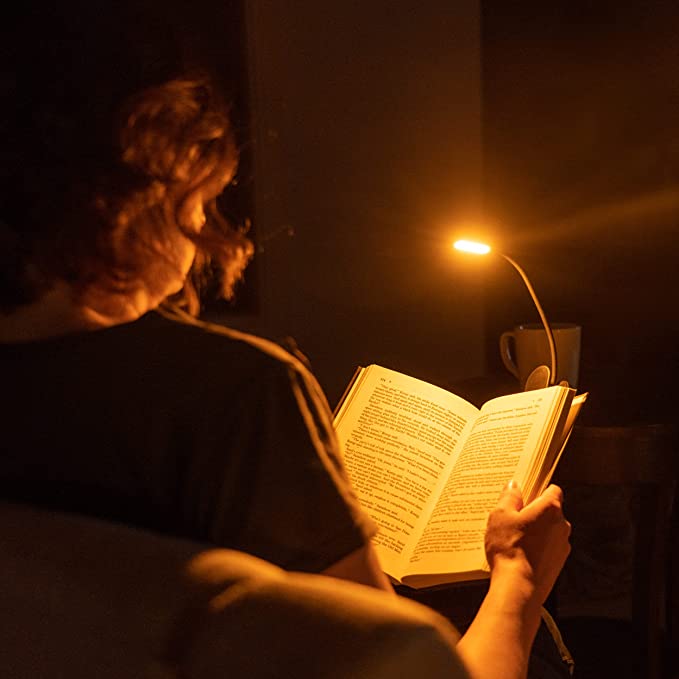
Understanding the Need for Good Lighting
When it comes to reading, having good lighting is essential to avoid eye strain and discomfort. Whether you’re reading a book in the evening or during the day in a dimly lit room, proper lighting can make all the difference. In this article, we’ll explore the importance of good lighting for reading and provide tips on how to achieve it.
Assessing Your Home’s Lighting Needs
Before we dive into specific lighting solutions, let’s assess your home’s current lighting setup. Consider the following factors:
- The room’s purpose: Is it a bedroom, living room, or study?
- The amount of natural light available: Does the room receive direct sunlight during the day?
- The type of furniture and decor: Are there any obstacles that could affect light distribution?
By understanding your home’s lighting needs, you can make informed decisions about how to improve the lighting in each room.
Types of Lighting for Reading
There are several types of lighting suitable for reading, including:
- Overhead lighting: Suitable for larger rooms or areas where you need to read for extended periods.
- Table lamps: Ideal for smaller spaces or when you want to create a cozy atmosphere.
- Floor lamps: Great for adding warmth and ambiance to a room while providing focused lighting.
Choosing the Right Lighting
When selecting lighting for reading, consider the following factors:
- Color temperature: Warm white light (2700K-3000K) is often preferred for relaxation and reading, while cool white light (3500K-4100K) is better suited for tasks that require focus and attention.
- Brightness: Aim for a brightness level between 100-200 lux to avoid eye strain.
- Directional lighting: Consider using lamps with adjustable arms or shades to direct the light exactly where you need it.
Tips for Improving Your Home’s Lighting
Here are some additional tips to help improve your home’s lighting:
- Layer your lighting: Use a combination of overhead, table, and floor lamps to create a layered lighting effect.
- Consider LED lighting: Energy-efficient and long-lasting, LED bulbs can provide excellent lighting for reading without breaking the bank.
- Don’t forget about natural light: Make the most of natural light by keeping windows unobstructed and using sheer curtains or blinds.
Lamps for Reading
When it comes to lamps specifically designed for reading, here are some popular options:
- Faretto lamp: A floor lamp with a slender profile that provides focused lighting.
- Abat-jour lamp: A table lamp with a curved shade that directs light downwards, creating a cozy atmosphere.
- Lampada da tavolo: A compact table lamp that can be placed on a bedside table or desk.
Reading Apps and Accessories
If you prefer reading on your phone or tablet, here are some apps and accessories to consider:
- Filtro Luce Blu: An app that adjusts the color temperature of your screen to reduce eye strain.
- Nottambulo: A sleep mask with a built-in light filter that can help regulate your sleep schedule.
- Screen protectors: Use a screen protector with a matte finish to reduce glare and reflections.
Creating an Optimal Reading Environment
In addition to choosing the right lighting, consider other factors that can enhance your reading experience:
- Comfortable seating: Choose a chair or sofa that provides adequate support and comfort.
- Temperature control: Keep the room at a comfortable temperature to avoid distractions.
- Minimal distractions: Consider using a noise machine or playing calming music to create a peaceful atmosphere.
Conclusion
Proper lighting is essential for comfortable and enjoyable reading. By understanding your home’s lighting needs, choosing the right lighting, and using lamps specifically designed for reading, you can create an optimal reading environment. Don’t forget about natural light and consider energy-efficient LED lighting options. Finally, explore reading apps and accessories that can enhance your reading experience.
Frequently Asked Questions
- What is the best color temperature for reading?
- Warm white light (2700K-3000K) is often preferred for relaxation and reading.
- How much brightness do I need for reading?
- Aim for a brightness level between 100-200 lux to avoid eye strain.
- What are some good options for lamps specifically designed for reading?
- Faretto lamp, Abat-jour lamp, and Lampada da tavolo are popular choices.
- Are there any apps or accessories that can help reduce eye strain while reading on my phone or tablet?
- Filtro Luce Blu and Nottambulo are two options to consider.
By following these tips and exploring different lighting solutions, you can create an optimal reading environment that enhances your overall reading experience.


