
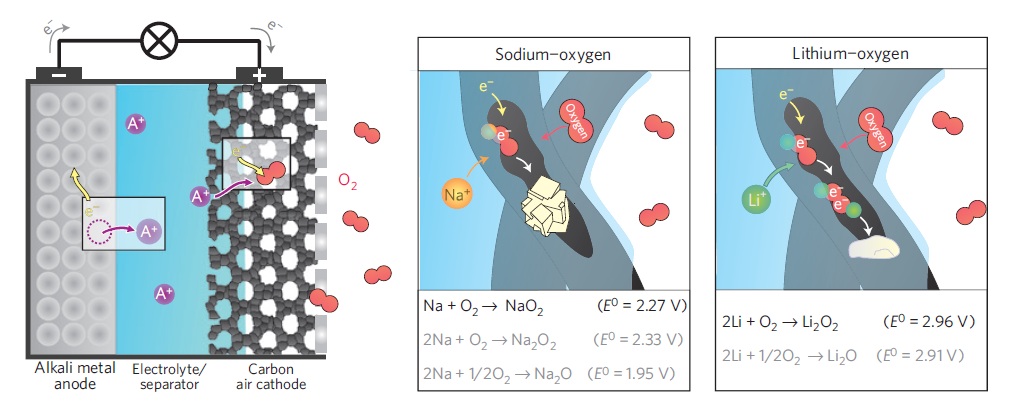
Understanding the Basics of Batteries
As the world moves towards a more sustainable future, battery technology has become a crucial area of focus. With the rise of electric vehicles, researchers are working on developing more efficient batteries that can power our cars for longer periods. Two types of batteries have gained attention in recent years: lithium-ion and sodium-ion. In this article, we’ll delve into the world of batteries, explore the differences between lithium-ion and sodium-ion, and examine the potential benefits and drawbacks of each.
The Rise of Lithium-Ion Batteries
Lithium-ion batteries have been the go-to choice for electric vehicles due to their high energy density and long lifespan. Companies like Toyota and BMW are partnering up to develop lithium-ion batteries that can power cars for at least 500 kilometers on a single charge. The first prototype of this technology is expected to be unveiled next year.
Lithium-ion batteries have been widely adopted in various applications, including consumer electronics, renewable energy systems, and electric vehicles. They offer several advantages, such as high energy density, low self-discharge rates, and long lifetimes. However, they also have some limitations, including the use of rare earth materials like lithium and cobalt.
The Sodium-Ion Alternative: A New Player in the Market
However, not everyone is convinced that lithium-ion batteries are the only way forward. Sodium-ion batteries have been gaining attention due to their potential to be more cost-effective and abundant than lithium. These batteries could potentially offer a higher energy density than traditional lithium-ion batteries.
Sodium-ion batteries have a lower energy density compared to lithium-ion batteries, with a theoretical maximum of 1600Wh/kg. This is significantly lower than the current energy density of lithium-ion batteries, which stands at around 200Wh/kg. To put this into perspective, if an iPhone’s battery were replaced with a sodium-ion battery, its lifespan would increase by 8-9 times.
A Closer Look at Sodium-Ion Batteries
Sodium-ion batteries have several key characteristics that make them attractive alternatives to lithium-ion batteries. They are more abundant and cheaper than lithium, which could lead to significant cost savings for manufacturers. Additionally, sodium-ion batteries can be recharged more easily than current lithium-ion batteries.
However, there’s a catch: sodium-ion batteries currently have a limited number of charge cycles, which could limit their practical applications. For example, if an electric vehicle were powered by a sodium-ion battery with 100 charge cycles, it would not last as long as a car powered by a lithium-ion battery that has 500 charge cycles.
The Benefits of Sodium-Ion Batteries
So, why are researchers and companies investing in sodium-ion technology? For starters, sodium is more abundant and cheaper than lithium. Additionally, sodium-ion batteries can be recharged more easily than current lithium-ion batteries.
Sodium-ion batteries also have several environmental benefits. They do not contain cobalt or other rare earth materials, which are often sourced from conflict zones and have negative environmental impacts. Furthermore, the production of sodium ions requires less energy than the production of lithium ions.
The Future of Batteries: A Balance Between Performance and Cost
As the battery industry continues to evolve, it’s essential to strike a balance between performance and cost. While lithium-ion batteries are still the preferred choice for electric vehicles, sodium-ion technology has its benefits. However, the current limitations of sodium-ion batteries need to be addressed before they can become a viable alternative.
To achieve this balance, researchers are working on several areas of improvement, including:
- Increasing energy density: Researchers are exploring ways to increase the energy density of sodium-ion batteries while maintaining their safety and lifespan.
- Enhancing charge cycle capacity: By improving the durability of sodium-ion batteries, manufacturers can increase the number of charge cycles they can withstand, making them more practical for electric vehicles.
- Developing new electrolytes: New electrolyte materials are being developed that could improve the performance and efficiency of sodium-ion batteries.
Conclusion
The great battery debate is far from over. As researchers continue to work on improving both lithium-ion and sodium-ion batteries, we can expect to see significant advancements in the coming years. Whether you’re an electric vehicle enthusiast or simply curious about the future of technology, one thing is clear: the world of batteries is changing fast.
Frequently Asked Questions
- What are the main differences between lithium-ion and sodium-ion batteries?
Lithium-ion batteries have a higher energy density than sodium-ion batteries. However, sodium-ion batteries are more cost-effective and abundant. - Can sodium-ion batteries replace lithium-ion batteries entirely?
Not yet. While sodium-ion batteries have their benefits, they currently have limitations in terms of charge cycles and lifespan. - Why are researchers investing in sodium-ion technology?
Researchers are interested in sodium-ion technology due to its potential cost-effectiveness and abundance. Additionally, sodium-ion batteries can be recharged more easily than current lithium-ion batteries. - What is the current state of sodium-ion battery development?
Sodium-ion battery development is ongoing, with researchers working to address the limitations of current technology. - Will sodium-ion batteries become a viable alternative to lithium-ion batteries in the near future?
It’s uncertain whether sodium-ion batteries will surpass lithium-ion batteries in the near future. However, it’s clear that both technologies have their benefits and drawbacks. - What are the implications of sodium-ion battery development for electric vehicles?
Sodium-ion battery development could potentially lead to more affordable and sustainable electric vehicles. - Can sodium-ion batteries be used in other applications beyond electric vehicles?
Yes, sodium-ion batteries can be used in a variety of applications, including renewable energy storage and consumer electronics. - What is the future of battery technology?
The future of battery technology holds much promise. As researchers continue to work on improving both lithium-ion and sodium-ion batteries, we can expect to see significant advancements in the coming years.
Additional Resources
For those interested in learning more about battery technology, check out our list of recommended resources below:
- “Lithium-Ion Batteries: A Review of their Current State and Future Directions” by J. P. Newman and N. C. Bristow (Journal of the Electrochemical Society)
- “Sodium-Ion Batteries: A New Frontier for Energy Storage” by M. Artyukh et al. (ACS Energy Letters)
- “The Environmental Impact of Lithium-Ion Batteries” by J. Liu et al. (Environmental Science & Technology)
- “Sodium-Ion Batteries for Electric Vehicles: A Review of the Current State and Future Directions” by S. H. Lee et al. (Journal of Power Sources)


