
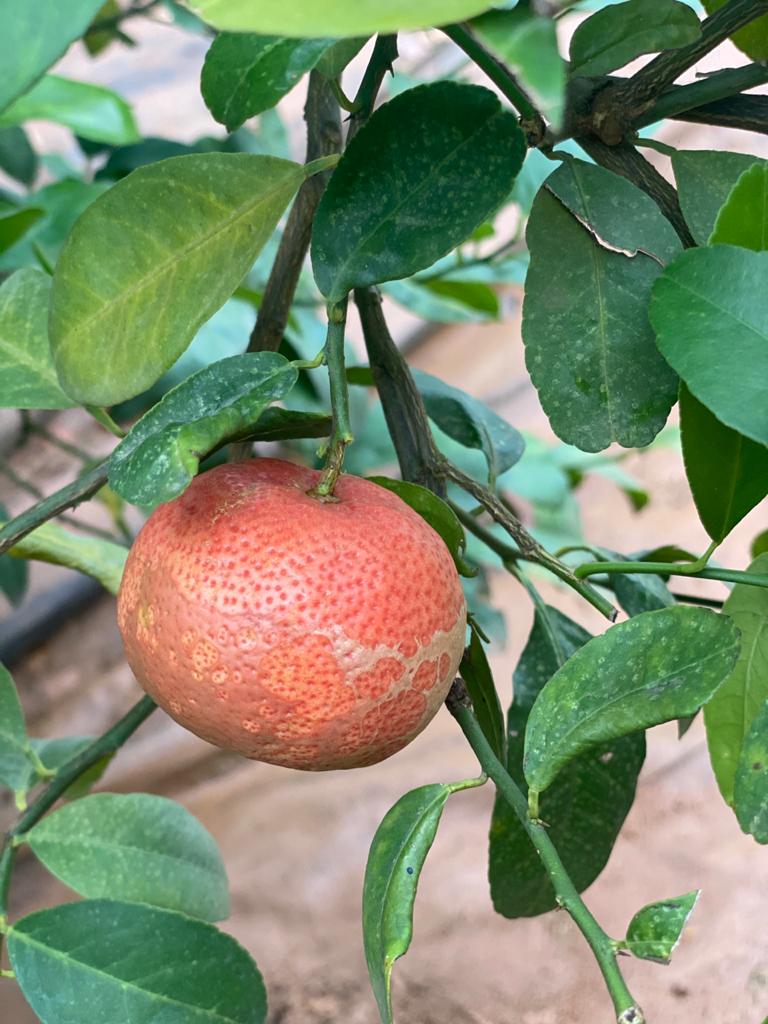
As the summer months approach, many of us are eager to get our hands on fresh lemons and start cooking up a storm. But have you ever heard of the red lemon? Also known as the Eureka Red Lemon or Rangpur Lime, this variety of citrus fruit is gaining popularity for its unique flavor and versatility in cooking.
In this article, we’ll delve into the world of the red lemon, exploring where it’s grown, how to cultivate it, and most importantly, how to use it in your favorite recipes.
What is a Red Lemon?
The red lemon is a type of citrus fruit that belongs to the Citrus limon species. It’s characterized by its reddish-pink skin and juicy pulp, which contains a high concentration of vitamin C and other nutrients.
There are two main varieties of red lemons: the Eureka Red Lemon and the Rangpur Lime. Both have similar characteristics, but the Rangpur Lime has a sweeter and more aromatic flavor profile.
Growing Red Lemons
Red lemons are relatively easy to grow and can thrive in warm climates with plenty of sunlight. Here are some tips for cultivating these beautiful trees:
- Choose a sunny location: Red lemons require full sun to produce fruit, so make sure you’ve got a spot that gets at least 8 hours of direct sunlight per day.
- Prepare the soil: Red lemons prefer well-draining soil with a pH between 6.0 and 7.0. Add some compost or fertilizer to give your tree a boost.
- Water regularly: Keep the soil consistently moist, but not waterlogged. This will help prevent root rot and other problems.
- Prune regularly: Pruning is essential for maintaining the shape of your red lemon tree and encouraging fruiting.
Soil Requirements
Red lemons prefer well-draining soil that’s rich in organic matter. Here are some tips for creating the perfect soil:
- Add compost: Compost can help improve soil structure, increase nutrient availability, and support beneficial microorganisms.
- Use mulch: Mulching helps retain moisture, suppress weeds, and regulate soil temperature.
- Avoid over-fertilizing: Red lemons don’t require a lot of fertilizer. Over-fertilization can lead to weak growth and reduce fruit production.
Pest and Disease Management
Red lems are susceptible to pests and diseases like aphids, whiteflies, and citrus canker. Here are some tips for managing these issues:
- Use neem oil: Neem oil is a natural pesticide that can help control pests without harming beneficial insects.
- Spray copper-based solutions: Copper-based solutions can help prevent fungal infections and promote healthy growth.
- Keep the tree clean: Regularly inspect your tree for signs of pests or diseases. Remove any infected leaves or branches to prevent spread.
Using Red Lemons in Cooking
Red lemons are incredibly versatile and can be used in a variety of dishes, from salads to desserts. Here are some ideas to get you started:
- Squeeze fresh juice: Red lemons make an excellent addition to cocktails, marinades, and sauces.
- Use the zest: Grate some red lemon zest over your favorite dish for a burst of citrus flavor.
- Make a salad dressing: Mix red lemon juice with olive oil, salt, and pepper for a simple yet delicious salad dressing.
- Add to baked goods: Red lemons pair beautifully with sweet ingredients like sugar, honey, and spices.
Preserving Red Lemons
Red lemons can be preserved in various ways to enjoy them throughout the year. Here are some ideas:
- Freeze juice: Freeze red lemon juice in ice cube trays for a convenient way to add citrus flavor to dishes.
- Make jam: Red lemons make an excellent addition to homemade jam. Mix with sugar and pectin to create a delicious spread.
- Dry zest: Dry red lemon zest and store it in airtight containers for use in teas, marinades, or sauces.
Using Red Lemons in Cosmetics
Red lemons have natural astringent and tonifying properties that make them perfect for skincare. Here are some ideas for using red lemons in your beauty routine:
- Make a face toner: Mix equal parts red lemon juice with water to create a refreshing toner.
- Use as a mask: Combine red lemon juice with honey or yogurt for a nourishing and exfoliating mask.
- Add to hair care: Red lemons can help balance the pH of your scalp and promote healthy hair growth.
Benefits of Red Lemons
Red lemons offer numerous health benefits due to their high concentration of vitamin C, flavonoids, and other nutrients. Here are some potential benefits:
- Boosts immune system: Vitamin C in red lemons helps support immune function and reduce the severity of colds and flu.
- Antioxidant properties: Flavonoids in red lemons have antioxidant properties that can help protect against cell damage and inflammation.
- Skin health: Red lemons’ natural astringent and tonifying properties can help improve skin texture, reduce acne, and promote healthy aging.
Conclusion
Red lemons are a versatile and delicious addition to any kitchen or beauty routine. With their unique flavor and natural properties, they’re perfect for adding a burst of citrus flavor to your favorite dishes and skincare products. Whether you’re growing your own red lemon tree or using store-bought lemons in your cooking and cosmetics, this fruit is sure to become a staple in your life.
Additional Tips
Here are some additional tips for getting the most out of your red lemons:
- Use them within a few days: Red lemons can lose their flavor and nutritional value quickly. Use them within a few days of harvesting or purchase.
- Store them properly: Store red lemons in a cool, dry place to preserve their freshness and shelf life.
- Experiment with different recipes: Don’t be afraid to experiment with new recipes that feature red lemons as the main ingredient.
By following these tips and exploring the many uses of red lemons, you’ll be able to unlock the full potential of this versatile fruit. Whether you’re a seasoned chef or a curious foodie, the red lemon is sure to become your new favorite ingredient.


