
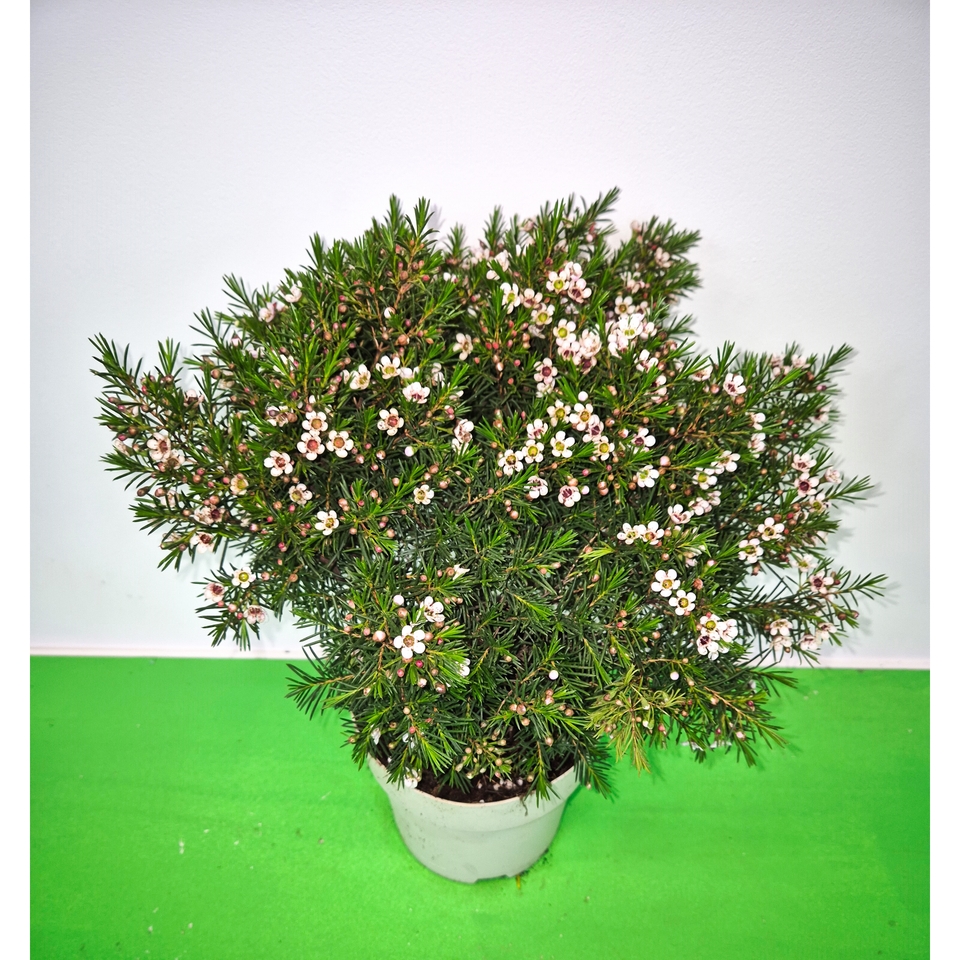
Introduction
In the world of flowers, there exist some species that are truly unique and breathtakingly beautiful. One such flower is the Cera Lily, also known as Hoya. With its delicate petals and intoxicating scent, it’s no wonder this flower has captured the hearts of many gardeners and flower enthusiasts.
The allure of the Cera Lily lies in its striking appearance, which bears a resemblance to melted wax. This unique characteristic has earned the plant its name, and its beauty has been admired by botanists and horticulturists for centuries. In this comprehensive guide, we’ll delve into the world of Hoyas, exploring their history, cultivation, and variety.
The Science Behind the Name
So, why is this flower called a Cera Lily? The name is quite apt, as the flower’s appearance bears a striking resemblance to melted wax. This is due to the flower’s delicate, waxy petals that resemble cera, or beeswax. The term “Cera” comes from the Latin word for wax, adding an extra layer of meaning to the plant’s name.
Hoya: A Genus of Stunning Flowers
The Hoya genus comprises hundreds of different species, each with its unique characteristics and beauty. From the compact, bushy Hoya carnosa to the more sprawling, climber-like Hoya lanceolata, there’s a Hoya species to suit every taste.
Some popular varieties include:
- Hoya carnosa: A compact, bushy variety with delicate white flowers.
- Hoya lanceolata: A more sprawling variety with large, fragrant blooms.
- Hoya multiflora: A compact, shrub-like variety with abundant white flowers.
History and Origin
Hoyas originate from the tropical regions of Asia, including India, Australia, and the Pacific Islands. Today, you can find Hoyas in many nurseries and garden centers around Europe, where they are prized for their stunning flowers and versatility as houseplants or outdoor specimens.
The history of Hoyas dates back to the 19th century, when European botanists first discovered the plant in its native habitats. Since then, Hoyas have become a popular choice among gardeners and flower enthusiasts, thanks to their unique beauty and ease of cultivation.
Cultivating Cera Lilies
So, how do you cultivate these beautiful flowers? The good news is that Hoyas are relatively easy to care for. However, they do require some specific conditions to thrive:
- Light: Hoyas prefer bright, indirect light but can tolerate partial shade.
- Temperature: These plants should be kept away from temperatures below 10°C (50°F).
- Watering: Keep the soil consistently moist during the spring and summer months but avoid overwatering.
By providing your Hoya with the right conditions, you’ll be rewarded with stunning flowers that will delight you for months to come.
The Bloom Cycle
One of the most fascinating aspects of Hoyas is their unique bloom cycle. The flowers will emerge on long, slender stems in early spring, followed by a secondary flush of blooms in late summer. This means that you can enjoy multiple blooms throughout the growing season.
This cycle is influenced by factors such as temperature, light, and watering conditions. By understanding how to optimize these conditions for your Hoya, you’ll be able to coax the best out of this beautiful plant.
Pests and Diseases
As with any plant, Hoyas can be susceptible to pests and diseases. Some common issues include:
- Mealybugs: Small, white insects that feed on sap.
- Spider mites: Tiny, spider-like creatures that feed on sap.
- Root rot: A fungal infection that causes roots to decay.
To prevent these issues, make sure to inspect your Hoya regularly and take action promptly if you notice any problems.
Photos and Inspiration
To give you a better idea of the beauty and diversity of Cera Lilies, here are some photos showcasing various species:
Prices and Availability
You can find Cera Lilies in many nurseries, garden centers, or online retailers. Prices vary depending on the variety and size of the plant:
- Amazon: €5.50 (12 cm vase)
- Nurseries and Garden Centers: €10-€20 (varies by location)
By choosing a reputable seller and selecting a healthy plant, you’ll be able to enjoy your Cera Lily for years to come.
Conclusion
In conclusion, Cera Lilies are truly unique flowers that offer a captivating blend of beauty, fragrance, and versatility. Whether you’re a seasoned gardener or just starting out, these plants are sure to delight.
By following the tips and guidelines outlined in this comprehensive guide, you’ll be well on your way to cultivating stunning Hoya plants that will bring joy and beauty into your life for months to come.
Frequently Asked Questions
- Q: How do I care for my Cera Lily?
A: Hoyas prefer bright light, consistent moisture, and temperatures between 18-22°C. - Q: What is the average lifespan of a Cera Lily?
A: With proper care, Hoyas can live up to 10 years indoors or outdoors. - Q: Can I grow Cera Lilies in a pot or directly in the ground?
A: Both options are possible, but be sure to choose a location with well-draining soil and partial shade.


