
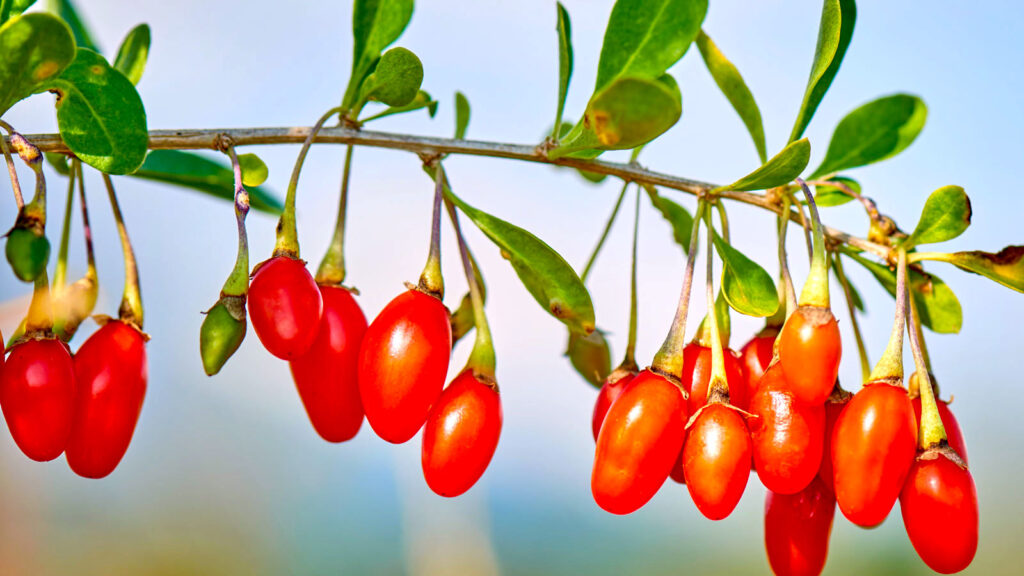
Growing Goji Berries: A Comprehensive Guide to Cultivating These Nutritious Fruits
Are you interested in growing your own goji berries? These nutritious fruits have been gaining popularity in recent years due to their numerous health benefits, which include being rich in vitamins, minerals, and antioxidants. Goji berries are renowned for their ability to boost metabolism, strengthen the immune system, and provide an energy-boosting effect.
In this article, we will delve into the world of goji berry cultivation, providing you with practical tips on how to grow these delicious fruits from seed or plant. We will also explore the characteristics of the Goji berry plant, discuss the best time for planting and harvesting, and cover topics such as propagation, soil requirements, and care.
Goji Berry Plant Characteristics
Before we dive into the nitty-gritty of goji berry cultivation, let’s take a closer look at the characteristics of this fascinating plant. The Goji berry plant grows as an arbustive shrub, reaching up to 2-3 meters in height. It has dark green leaves and produces small white flowers that are rich in fragrance.
To cultivate it in a pot, choose large containers with good drainage holes. Regular repotting is necessary to ensure the plant’s healthy growth and development.
How to Grow Goji Berries: Step-by-Step Guide
Growing goji berries requires careful attention to detail, but with the right techniques and tools, you can enjoy a bountiful harvest of these delicious fruits. Here’s a step-by-step guide on how to grow goji berries:
- Planting: Plant your goji berry seedling in the spring months when the soil has warmed up. Make sure to choose a location with full sun to partial shade and well-drained soil.
- Pruning: Prune your goji berry tree from November to January to maintain its shape and promote fruiting. Only young branches produce fruit, so prune them regularly to encourage new growth.
- Watering: Goji berries require abundant watering during the summer months, especially between July and August. Water your plant regularly, but avoid overwatering, which can lead to root rot.
- Propagation: You can propagate a goji berry tree through stem cutting from August to early October. Take cuttings from healthy branches, dip them in rooting hormone, and plant them in well-draining soil.
- Soil Requirements: Goji berries prefer slightly acidic soil with a pH between 6.0 and 7.0. Add organic matter such as compost or manure to improve soil fertility and structure.
- Pest and Disease Management: Regularly inspect your plant for pests and diseases, and take action promptly if you notice any issues. Common pests include aphids, spider mites, and whiteflies.
Where to Buy Goji Berry Seeds
While it’s challenging to find goji berry seeds at traditional gardening stores, there are several online retailers that sell high-quality seeds. Make sure to choose a reputable seller that offers genuine products.
For example: 200 Goji Berries – 3.75 euros
Buying a Ready-to-Plant Goji Berry
If you’re short on time or not familiar with goji berry cultivation, you can buy a ready-to-plant goji berry tree from specialized retailers or online stores. The Goji berry plant is offered by Vivai Le Georgiche with guaranteed rooting, priced at 21.50 euros.
Useful link: Bacche di Goji Bio Crude – Quality Premium – 125g
Frequently Asked Questions
Here are some frequently asked questions about goji berries that we’ve answered in this article:
- Q: What is the best way to propagate a goji berry tree?
A: You can propagate a goji berry tree through stem cutting from August to early October. - Q: How often should I water my goji berry plant during the summer months?
A: Your goji berry plant needs abundant watering during the summer, especially between July and August. - Q: Can I grow goji berries in a container or do they need to be planted directly into the ground?
A: To cultivate goji berries in a pot, choose large containers with good drainage holes and regularly perform repotting. - Q: How long does it take for goji berry seeds to germinate?
A: It will take some time for goji berry seeds to germinate before you can enjoy your first harvest. - Q: Are goji berries toxic if not properly prepared?
A: Goji berries are generally safe to eat, but make sure to wash them thoroughly before consumption.
Additional Tips and Tricks
Here are a few additional tips and tricks to help you grow healthy and productive goji berry plants:
- Use organic fertilizers such as compost or manure to promote soil fertility.
- Mulch around your plant to retain moisture and suppress weeds.
- Monitor your plant’s pH levels regularly and adjust them if necessary.
- Prune your goji berry tree annually to maintain its shape and promote fruiting.
Growing Goji Berries in Different Climates
While goji berries can be grown in a variety of climates, they prefer temperate weather with mild winters and cool summers. In colder climates, you may need to provide additional protection for your plant, such as covering it with a frost blanket or bringing potted plants indoors during the winter months.
In hot climates, make sure to water your goji berry plant regularly, especially during periods of drought. Goji berries are also susceptible to sun scorch, so provide some shade for your plant during the hottest part of the day.
Conclusion
Growing goji berries can be a rewarding experience, and with these practical tips and guidelines, you can successfully cultivate this nutritious fruit in your own garden. Remember to choose high-quality seeds or plants, provide proper care and attention, and enjoy the numerous health benefits that goji berries have to offer.
By following these steps and tips, you can grow delicious and nutritious goji berries that are perfect for snacking, cooking, or making into teas and supplements. Happy growing!


