
Introduction
If you’re a fan of Italian desserts, you’ve probably come across the term “pasta frolla” before. This type of dough is used to make all sorts of sweet treats, from traditional fruit tarts to creamy chocolate-filled pastries. In this article, we’ll show you how to make pasta frolla at home with ease.
The Benefits of Making Pasta Frolla at Home
By making your own pasta frolla, you can control the ingredients and customize it to your liking. Plus, it’s a great way to avoid preservatives and additives found in store-bought versions. And, let’s be honest – there’s something special about enjoying a homemade dessert that’s made with love.
The History of Pasta Frolla
Pasta frolla has been around for centuries, originating from Italy in the 16th century. The name “frolla” is derived from the Italian word for “cake,” and it was traditionally used to make sweet pastries filled with fruits, nuts, and chocolate. Over time, pasta frolla evolved into a versatile dough that can be used for a wide range of desserts.
Ingredients
Before we get started, let’s take a look at the ingredients you’ll need for our pasta frolla recipe:
- 5 large eggs
- 250g of unsalted butter at room temperature
- 125g of granulated sugar
- 20g of active dry yeast
- 360g of all-purpose flour (Type 00)
Step 1: Mixing the Dough
In a large mixing bowl, combine the flour and yeast. Gradually add in the eggs one at a time, making sure each egg is fully incorporated before adding the next.
As you mix the dough, pay attention to its consistency. It should be smooth and elastic, with no lumps or sticky spots. If it’s too dry, add a little bit of water. If it’s too wet, add some more flour.
Step 2: Adding the Butter and Sugar
Once you have your dough mixture, it’s time to add the butter and sugar. Cut the butter into small pieces and place them on top of the flour mixture. Add the granulated sugar and mix until everything is well combined.
Now, this is where things get interesting. As you mix in the butter and sugar, pay attention to how the dough changes texture. You should start to see it come together, forming a cohesive mass that’s easy to work with.
Step 3: Kneading the Dough
Now it’s time to knead the dough. If you’re using a stand mixer, use the dough hook attachment. Otherwise, get in there with your hands and start kneading!
As you knead the dough, pay attention to its texture and consistency. It should be smooth and elastic, with no lumps or sticky spots. If it’s too dry, add a little bit of water. If it’s too wet, add some more flour.
Step 4: Resting the Dough
After you’ve kneaded the dough, place it in a lightly oiled bowl, cover it with plastic wrap, and let it rest in the refrigerator for at least 30 minutes.
This is where patience comes into play. The resting time allows the yeast to do its magic, making the dough rise and become more tender. Don’t skip this step!
Step 5: Rolling Out the Dough
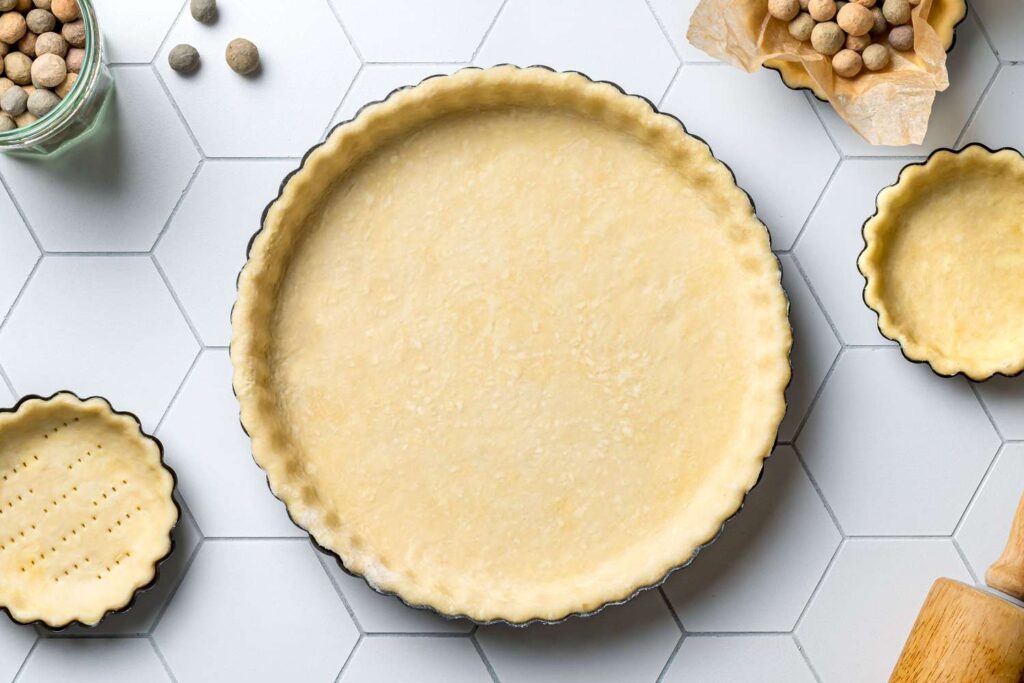
Once your dough has rested, remove it from the fridge and let it come to room temperature. Roll out the dough on a floured surface to a thickness of about 1/8 inch (3mm).
Now, this is where you can get creative! You can use your pasta frolla for all sorts of desserts, from traditional fruit tarts to creamy chocolate-filled pastries.
Using Your Pasta Frolla
Here are some ideas to get you started:
- Make a traditional fruit tart with fresh berries and whipped cream
- Create a chocolate-filled pastry filled with rich, dark chocolate
- Try your hand at making crostata con ricotta e cioccolato (Italian-style cheesecake with chocolate)
Storing Your Pasta Frolla
If you won’t be using your pasta frolla right away, don’t worry! You can store it in the refrigerator for up to 3-4 days or freeze it for up to 14-15 days.
Tips and Tricks
- To prevent the dough from becoming too sticky, make sure to use room temperature butter.
- If you find that your pasta frolla is too dry, add a little bit of water. If it’s too wet, add some more flour.
- Experiment with different flavor combinations, such as lemon zest or chopped nuts!
- Don’t be afraid to get creative and try new things!
Common Mistakes
Here are some common mistakes to watch out for when making pasta frolla:
- Overmixing the dough: This can lead to a tough, dense pastry that’s not fun to work with.
- Underproofing the dough: If the dough doesn’t rise properly, it won’t have the right texture and consistency.
- Not using enough sugar: Sugar helps balance out the flavors in the pasta frolla, so make sure to use at least 1-2 tablespoons per cup of flour.
Conclusion
Making pasta frolla at home is a breeze. With just a few simple ingredients and some basic kitchen tools, you can create delicious, homemade desserts that will impress anyone. So why not give it a try? Your taste buds (and your guests) will thank you!
Frequently Asked Questions
- Q: What’s the difference between pasta frolla and puff pastry?
A: Pasta frolla is a type of dough made with eggs, butter, and flour, whereas puff pastry is made with lard or other animal fats. While both can be used for sweet treats, they have distinct textures and flavors. - Q: Can I make pasta frolla without yeast?
A: Yes! You can make a yeast-free version of pasta frolla using baking powder as a substitute. However, keep in mind that the texture and flavor may be slightly different. - Q: How do I store my homemade pasta frolla?
A: Store your homemade pasta frolla in an airtight container in the refrigerator for up to 3-4 days or freeze it for up to 14-15 days. Make sure to thaw and let it come to room temperature before using. - Q: Can I use different types of flour instead of all-purpose flour?
A: While you can experiment with different flours, keep in mind that all-purpose flour is the best choice for pasta frolla. Other flours may affect the texture and flavor of your final product. - Q: How do I know when my pasta frolla is ready to use?
A: Check if your dough has doubled in size or reached a consistent color throughout. If it’s still too sticky or crumbly, continue kneading or refrigerating it for another 30 minutes before rolling it out.
The Art of Making Pasta Frolla at Home
By following these simple steps, you’ll be well on your way to creating delicious homemade pasta frolla that will impress anyone. Whether you’re a seasoned baker or just starting out, this recipe is sure to become a favorite in your kitchen. Happy baking!


