
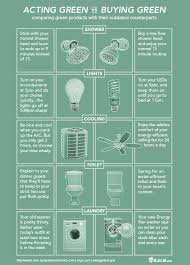
As consumers, we’re constantly bombarded with information about the importance of sustainability and reducing our environmental impact. But how do we actually make a difference? In this article, we’ll explore the best practices for choosing products that align with your values and promote a more sustainable lifestyle.
Understanding the Impact of Our Purchases
Let’s face it: making eco-friendly choices can be overwhelming. With so many options available, it’s easy to feel like our purchases won’t make a difference. But what if we told you that even small changes can add up? The key is to focus on reducing consumption and being more mindful of our purchasing habits.
The Science Behind Sustainable Consumption
Research has shown that our values and attitudes towards consumption play a significant role in shaping our purchasing decisions. A study published by the University of Arizona found that individuals who prioritize sustainability tend to have lower levels of stress and higher levels of well-being. On the other hand, compulsive consumers may feel like they’re achieving their environmental goals, but ultimately end up contributing to waste and pollution.
The Dangers of Compulsive Consumption
Compulsive consumption can be a major obstacle to sustainability. When we buy products without thinking about our needs, we often end up with items that go to waste or become obsolete quickly. This not only harms the environment but also wastes our time and money.
The Benefits of Mindful Consumption
On the other hand, mindful consumption can have numerous benefits for both individuals and the planet. By being more intentional about our purchasing habits, we can reduce waste, conserve resources, and create a more circular economy.
Creating a Sustainable Lifestyle
So, how can you start making sustainable choices? Here are some tips to get you started:
- Track your expenses: Start keeping track of what you spend money on each month. This will help you identify areas where you can cut back and make more intentional purchasing decisions.
- Make a list: Create a list of the products and services you need, rather than just buying things on impulse. This will help you prioritize your purchases and avoid unnecessary spending.
- Focus on quality over quantity: Instead of buying cheap, disposable items, focus on investing in high-quality products that will last longer.
The Power of Sustainable Consumption
By making sustainable choices, we can create a ripple effect that benefits not just our own lives but also the planet. Every small action counts, and by working together, we can make a significant impact.
Sustainable Products: A Growing Market
In recent years, the demand for sustainable products has skyrocketed. As consumers become more aware of their environmental impact, companies are responding with innovative solutions that prioritize sustainability.
- Eco-friendly packaging: Many companies are switching to biodegradable or recyclable packaging materials.
- Sustainable materials: Brands are incorporating sustainable materials into their products, such as recycled plastic or bamboo.
- Second-hand options: The rise of online marketplaces and social media has made it easier for consumers to buy second-hand items.
Reducing Waste
One of the most significant challenges facing our planet is waste. From plastic bags to microbeads, our daily habits contribute significantly to the problem. Here are some simple ways to reduce waste:
- Bring your own bag: Refuse single-use plastic bags and opt for reusable ones instead.
- Avoid microplastics: Choose products with minimal packaging or made from sustainable materials.
- Buy in bulk: Purchasing items in bulk can significantly reduce packaging waste.
The Role of Technology
Technology has played a significant role in promoting sustainability. From mobile apps that track carbon emissions to online platforms that connect consumers with sustainable brands, technology is helping us make more informed choices.
- Carbon calculators: Use tools like the Carbon Footprint Calculator to estimate your carbon emissions.
- Sustainable shopping guides: Utilize online resources like the Good On You app or the Sustainability Guide to find eco-friendly products.
- Virtual try-on: Many companies are incorporating virtual try-on technology, allowing consumers to test products at home before purchasing.
The Importance of Education
Education plays a crucial role in promoting sustainability. By teaching children about environmental issues and sustainable practices, we can create a generation of conscious consumers.
- Integrate sustainability into school curricula: Incorporate environmental education into school programs to raise awareness.
- Support sustainable brands: Encourage companies that prioritize sustainability by supporting them with your purchasing power.
Sustainable Consumption: A Collective Responsibility
As individuals, we have the power to make a difference. By embracing sustainable consumption practices, we can create a ripple effect that benefits not just our own lives but also the planet. Every small action counts, and by working together, we can make a significant impact.
By following these tips, you’ll be well on your way to creating a more sustainable lifestyle. Remember, every small change adds up, and together we can make a real difference.


