
As a gardener, you know that harvesting seeds from your favorite plants can be a rewarding experience. But have you ever stopped to think about the process of collecting radish seeds? In this article, we’ll explore the world of radish seed harvesting, from preparation to sowing and cultivation.
Understanding Radish: A Brief Botanical Overview
Radish (Raphanus sativus) is a cool-season crop that belongs to the Brassicaceae family. While botany enthusiasts might appreciate the details, let’s focus on why radishes are so popular in cooking. They add a delicious crunch and flavor to salads, sandwiches, and even pizzas!
Using Radish Seeds in Cooking
Radish seeds can be used as a substitute for sesame seeds or to create a unique oil with a delicate flavor. However, due to the difficulty of harvesting, this practice is not widely adopted. But fear not! We’ll guide you through the process of collecting radish seeds.
Harvesting Radish Seeds: A Step-by-Step Guide
Radish seed harvesting requires patience and attention to detail. The process begins with allowing your radish plants to flower. Keep in mind that radishes are annuals, so plan for a new crop every year.
- Wait for the right time: After sowing your seeds, wait for the radish plants to mature. This will usually take around 20-25 days, depending on weather conditions and soil quality.
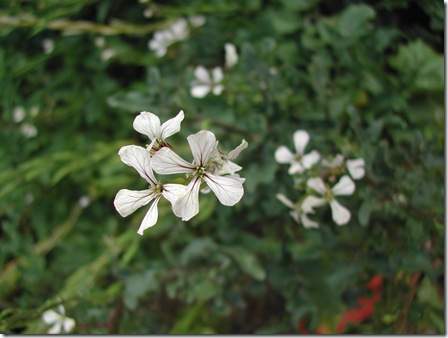
- Check for flower formation: As the radish plants grow, they’ll begin to form flowers. These can be yellow with white or black petals, but most varieties have yellow petals.
- Harvest seeds when they’re dry: Once the seeds are fully mature and dry, it’s time to harvest them. Cut off the flower stalks using scissors or pruning shears, leaving a small portion of stem intact.
Processing Radish Seeds
After harvesting, you’ll need to process your radish seeds for storage:
- Remove debris: Use your hands or a small tool to remove any remaining plant material.
- Winnow the seeds: Hold the seeds over a container and gently blow on them to separate them from the chaff (dry seed coat).
- Store the seeds: Place the cleaned and sorted radish seeds in an airtight container, labeling it with the variety name and date.
Tips for Radish Seed Harvesting
When harvesting your own radish seeds, consider the following:
- Timing is everything: Timing of planting, seed selection and weather conditions will impact seed quantity.
- Harvest before it’s too late: Don’t wait until the seeds are overripe or rotting, as this can reduce their viability.
Seed Sowing: Direct Sowing in Full Sun
If you’ve collected enough radish seeds for your needs, now it’s time to sow them directly into the ground:
- Choose a sunny location: Radishes require full sun and well-draining soil to grow. Select a spot that receives direct sunlight for at least 6 hours a day.
- Prepare the soil: Loosen the top 8-10 inches of soil with a garden fork or tiller, removing any debris or weeds.
- Sow seeds thinly: Spread the radish seeds evenly across the prepared soil bed. Cover them with about 1/4 inch of fine seed starting mix.
Tips for Seed Sowing
When sowing your own radish seeds:
- Use fresh seeds: Freshness is key to successful germination.
- Keep the soil moist: Maintain consistent moisture levels during the initial weeks after planting.
Frequently Asked Questions (FAQs)
Here are some common questions and answers about harvesting radish seeds:
- How often should I harvest my radishes for seeds?
- It’s recommended to wait until the plants reach maturity before harvesting.
- Can I use store-bought radish seeds instead of collecting them from my garden?
- Store-bought seeds may not produce true-to-type varieties, and their quality can vary.
- How do I know when my radish seeds are ripe for harvest?
- Seeds are usually ready to harvest when they’re fully mature and dry.
- Can I plant radish seeds indoors before transplanting them outside?
- Yes, you can start radish seeds indoors 2-3 weeks before the last frost date in your area.
Radish Seed Sowing Varieties
There are many different varieties of radishes that can be used for seed harvesting. Some popular types include:
- Cherry Belle: A classic variety with bright red and white roots, perfect for snacking.
- White Icicle: Known for its sweet and crunchy texture, great for salads and sandwiches.
- French Breakfast: With its unique shape and flavor, this radish is a favorite among chefs.
Tips for Growing Radishes
When growing radishes for seed harvesting, keep the following tips in mind:
- Plant at the right time: Radishes are typically planted in early spring or late summer/early fall.
- Provide adequate moisture: Keep the soil consistently moist during germination and growth.
- Fertilize carefully: Avoid overfertilizing, as this can lead to weak and leggy growth.
Common Challenges When Harvesting Radish Seeds
When harvesting radish seeds, you may encounter some common challenges. Here are a few things to keep in mind:
- Seed contamination: Be careful when handling the seeds to avoid contamination with dirt or other debris.
- Rodent damage: Keep an eye out for rodents that may be attracted to the ripe seed heads.
- Weather-related issues: Monitor weather conditions and plan accordingly, as extreme weather can impact seed viability.
By following these guidelines and tips, you’ll be well on your way to harvesting delicious and nutritious radish seeds for your next batch of homegrown radishes. Happy gardening!


