
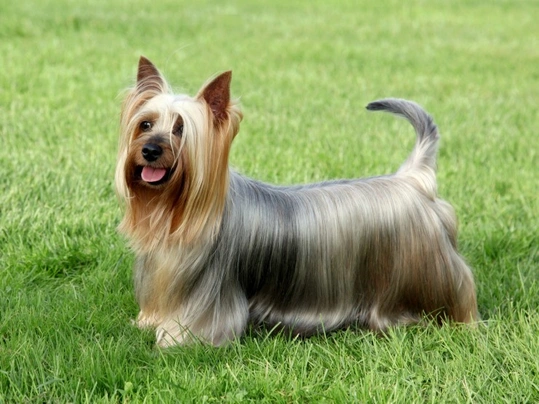
1. Introduction to the Australian Silky Terrier
If you’re looking for a small but energetic companion, the Australian Silky Terrier might be the perfect choice for you. Hailing from Australia, this breed is often confused with the Yorkshire Terrier, but it has its own unique characteristics that set it apart.
2. The Origins of the Australian Silky Terrier
The Australian Silky Terrier was first recognized as a distinct breed in 1909 by a group of enthusiasts and breeders in Australia. However, it took another 50 years for the breed to be officially recognized by kennel clubs worldwide. Despite its long journey to recognition, the Australian Silky Terrier has earned its place as one of the most beloved breeds around the world.
3. The Australian Silky Terrier’s Personality
The Australian Silky Terrier is known for its playful and lively personality. This breed is highly social and loves to be around people, making it an excellent companion for families with children. Despite its energetic nature, the Australian Silky Terrier is not aggressive and gets along well with other pets.
4. Physical Characteristics
The Australian Silky Terrier has a compact and sturdy build, with a medium-length coat that’s soft and silky to the touch. The breed comes in a range of colors, including blue, fawn, and brindle, with or without white markings. The Silky Terrier’s distinctive “toupée” on its forehead is a striking feature that sets it apart from other breeds.
5. Coat Type
The Australian Silky Terrier’s coat is one of its most distinguishing features. The breed has a fine, silky texture that requires regular grooming to prevent matting and tangling. The coat comes in two main varieties: the “blaze” and the “smudge.” The blaze refers to the white markings on the forehead, while the smudge refers to the smudging of the nose.
6. Size and Weight
The Australian Silky Terrier is a small breed, weighing between 3.5-4.5 kg (7.7-9.9 lbs) and standing approximately 23 cm (9 inches) at the shoulder.
7. Health Considerations
Like all breeds, the Australian Silky Terrier is prone to certain health issues, including patellar luxation, hip dysplasia, and eye problems. Regular veterinary check-ups and a healthy lifestyle can help prevent or manage these conditions.
8. Grooming Needs
The Australian Silky Terrier’s coat requires regular grooming to prevent matting and tangling. A weekly brushing session is recommended, as well as occasional trimming and clipping to keep the breed looking its best. Additionally, nail trimming, ear cleaning, and dental care are essential for maintaining your dog’s overall health.
9. Exercise and Activity Level
The Australian Silky Terrier is a high-energy breed that requires regular exercise to stay happy and healthy. Daily walks and playtime are essential, as well as mental stimulation through training and puzzle toys. It’s also important to provide your dog with plenty of opportunities for rest and relaxation to avoid overexertion.
10. Training and Socialization
The Australian Silky Terrier is highly intelligent and responds well to positive reinforcement training. Early socialization and exposure to new environments can help prevent anxiety and behavioral issues. Consistency, patience, and clear communication are key to successful training and socialization.
11. Price and Availability
Due to its relatively low popularity, the Australian Silky Terrier is not as widely available as other breeds. Prices vary depending on factors such as bloodline, age, and location, but expect to pay between $500-$1,000 for a puppy from a reputable breeder. Be cautious of scams or overpriced puppies from unscrupulous breeders.
12. Comparison to Other Breeds
If you’re considering the Australian Silky Terrier as part of your family, here’s how it compares to other popular breeds:
- Yorkshire Terrier: The Silky Terrier is slightly larger and more energetic than the Yorkie.
- Cairn Terrier: Both breeds share similar energy levels, but the Cairn Terrier has a more rugged build and distinctive beard.
- Australian Shepherd: The Australian Silky Terrier is smaller and more companionable than the Australian Shepherd.
13. Fun Facts
The Australian Silky Terrier was originally bred to hunt small game, such as rodents and snakes. Despite its energetic nature, the breed is generally quiet and not prone to excessive barking. The Silky Terrier’s silky coat requires regular grooming, but this process can be a fun bonding experience for you and your dog.
14. Conclusion
The Australian Silky Terrier is a friendly, outgoing breed that makes an excellent companion for active families or individuals. With its silky coat, compact build, and high energy level, this breed is sure to bring joy and excitement into your life. By understanding the unique characteristics and needs of the Australian Silky Terrier, you can provide a happy and fulfilling life for your new companion.
Frequently Asked Questions
- Q: What is the average lifespan of an Australian Silky Terrier?
- A: The average lifespan of an Australian Silky Terrier is between 12-15 years.
- Q: How often should I groom my Australian Silky Terrier’s coat?
- A: Regular grooming, such as weekly brushing and occasional trimming, is essential to prevent matting and tangling.
- Q: Is the Australian Silky Terrier suitable for apartment living?
- A: Yes, the breed can thrive in apartments with regular exercise and mental stimulation.
- Q: Can I train my Australian Silky Terrier using positive reinforcement methods?
- A: Absolutely! Positive reinforcement training is an effective way to engage your dog’s intelligence and encourage good behavior.
- Q: How much exercise does the Australian Silky Terrier need daily?
- A: At least 30 minutes of daily exercise, including walks, playtime, and mental stimulation.
By understanding the unique characteristics and needs of the Australian Silky Terrier, you can provide a happy and fulfilling life for your new companion.


