
The Great Goat’s Milk vs Cow’s Milk Debate: Separating Fact from Fiction
As we navigate the world of dairy options, many of us find ourselves torn between two popular choices: goat’s milk and cow’s milk. While both have their own unique benefits and drawbacks, it’s essential to understand the differences between these two types of milk to make an informed decision that suits your dietary needs.
The Goat’s Milk Advantage
Goat’s milk has long been touted as a healthier alternative to cow’s milk, and for good reason. It contains several properties that make it more easily digested than cow’s milk, including:
- A smaller molecular structure that allows for better absorption of nutrients
- A lower level of casein, a protein that can cause digestive issues in some individuals
- A higher concentration of butyric acid, which has been shown to have anti-inflammatory properties
The Calorie Conundrum
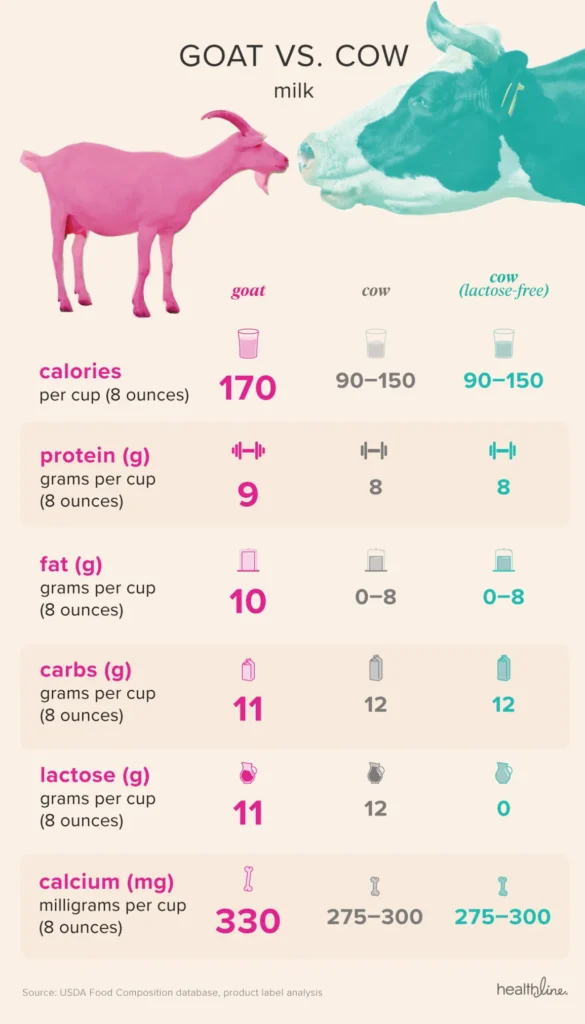
One often-cited advantage of goat’s milk is its lower calorie count compared to cow’s milk. However, it’s essential to note that this can vary depending on the specific type of goat’s milk being consumed. Some goat’s milks may be higher in calories than others due to differences in fat content and other nutritional factors.
For instance, grass-fed goat’s milk tends to be lower in calories than conventional goat’s milk, thanks to its higher levels of omega-3 fatty acids. On the other hand, some goat’s milks from large-scale dairy farms may be higher in calories due to added sugars or other processing methods.
The Protein Puzzle
When it comes to protein content, goat’s milk and cow’s milk are surprisingly similar. Both contain a range of essential amino acids, including taurine, which is also found in Red Bull energy drinks. This makes goat’s milk an attractive option for those looking for a dairy alternative that still provides a good dose of protein.
However, it’s worth noting that the type of protein in goat’s milk can affect its digestibility. Goat’s milk contains a higher concentration of whey proteins, which may be easier to digest than the casein found in cow’s milk.
The Micronutrient Mix
Goat’s milk is also a rich source of various micronutrients, including calcium, phosphorus, and vitamins A, C, D, E, and B6. The exact nutritional content may vary depending on the specific type of goat’s milk being consumed, but overall, it offers a well-rounded mix of essential nutrients.
In particular, goat’s milk is often higher in potassium than cow’s milk, which can be beneficial for those looking to lower their blood pressure or improve overall cardiovascular health. On the other hand, some types of goat’s milk may be lower in calcium due to differences in the diet and living conditions of the goats.
The Lactose Conundrum
For those who are lactose intolerant, goat’s milk can be a bit of a mixed bag. While some people find that they can tolerate goat’s milk without issue, others may still experience digestive problems due to its natural lactose content.
However, it’s worth noting that the casein in goat’s milk is lower than that found in cow’s milk, which may make it easier to digest for some individuals. Additionally, some types of goat’s milk are processed to remove excess lactose or other allergens, making them a more suitable option for those with dairy allergies or intolerances.
Conclusion
In conclusion, goat’s milk and cow’s milk are both viable options for those looking for a dairy alternative. While they share some similarities, each has its own unique benefits and drawbacks. By understanding the differences between these two types of milk, you can make an informed decision that suits your dietary needs and preferences.
Additional Considerations
- Grass-fed vs Conventional: Grass-fed goat’s milk is often considered more nutritious due to the higher levels of omega-3 fatty acids and other beneficial nutrients found in grass-grazed animals.
- Raw Milk vs Pasteurized: Raw goat’s milk may be a better option for those looking for a dairy alternative that retains its natural nutrients and flavor. However, it’s essential to note that raw milk can pose health risks if not handled properly.
- Allergies and Intolerances: Goat’s milk is often considered hypoallergenic, but it’s still possible to experience adverse reactions in some individuals. Consult with a healthcare professional or registered dietitian before making any changes to your diet.
FAQs
- Q: Is goat’s milk really better than cow’s milk?
A: Goat’s milk has several properties that make it more easily digested than cow’s milk, including a smaller molecular structure and lower levels of casein. - Q: How much do I need to drink per day for optimal health benefits?
A: The recommended daily intake of goat’s milk varies depending on individual needs and circumstances. Consult with a healthcare professional or registered dietitian for personalized advice. - Q: Can I substitute goat’s milk for cow’s milk in my favorite recipes?
A: Yes, but keep in mind that goat’s milk may have a slightly different flavor profile and texture than cow’s milk. - Q: Is goat’s milk suitable for those with dairy allergies or intolerances?
A: While goat’s milk is often considered hypoallergenic, it’s still possible to experience adverse reactions in some individuals. Consult with a healthcare professional or registered dietitian before making any changes to your diet.
Sources
- “The Benefits of Goat’s Milk” (National Academy of Sciences)
- “Goat’s Milk: A Review of Its Nutritional and Health Properties” (Journal of Dairy Science)
- “Grass-Fed vs Conventional Goat’s Milk: Which is Better?” (Grassfed Living)


