
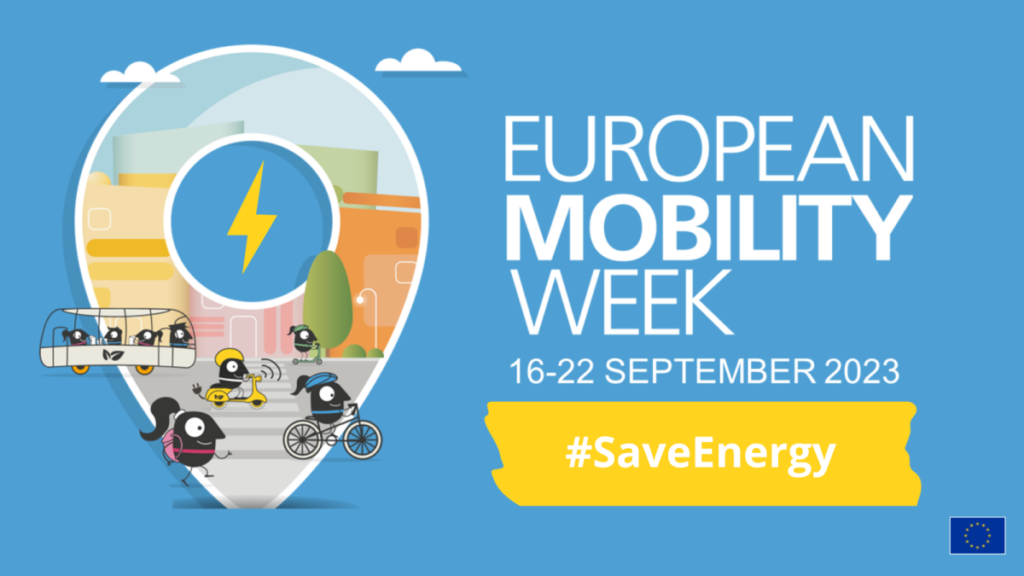
As the European Commission promotes this important occasion, “Let’s move” and adopt more green habits when traveling from one city to another or within an urban area, even indoors. The European Mobility Week is here, starting on September 16th and lasting until September 22nd, every year.
The Goal of the European Mobility Week
The European Mobility Week has been promoting the importance of sustainable transportation for years, with a clear goal: “Let’s move to an intelligent and sustainable mobility – an investment for Europe”. As individuals, as part of a community, and as role models, we can all contribute to making this vision a reality. This is especially true for our children and elderly, who can benefit from the positive effects of sustainable transportation on their health, well-being, and economic stability.
The Importance of Public Transportation
One of the key objectives of the European Mobility Week is to promote the use of alternative modes of transportation, such as walking, cycling, or public transport, instead of private cars. This not only benefits the environment but also improves air quality, reduces traffic congestion, and enhances the overall quality of life in urban areas.
The Role of the Ministry of Environment
The Ministry of Environment is actively involved in promoting sustainable transportation during the European Mobility Week. The ministry supports local authorities and associations in organizing events and initiatives to engage citizens and promote sustainable transportation practices.
The “Mix and Move” Theme
This year’s theme, “Mix and Move!”, highlights the importance of combining different modes of transportation to create a more sustainable and efficient mobility system. By mixing walking, cycling, public transport, and other eco-friendly options, we can reduce our carbon footprint and improve our overall quality of life.
The History of the European Mobility Week
Since 2005, the European Mobility Week has been promoting sustainable transportation through various events and initiatives. One notable example is the “European Mobility Week… on Bicycles” initiative, which has gained momentum over the past decade. The event aims to show that cycling is not only a fun and enjoyable activity but also an effective way to reduce traffic congestion and improve air quality.
The Impact of Cycling
Cycling is one of the most popular modes of transportation during the European Mobility Week. Over 260 events were organized last year, and this year’s goal is to double that number. The event highlights the benefits of cycling for both individuals and communities, including improved health, reduced traffic congestion, and enhanced air quality.
The Role of the FIAB
The Federation of Italian Associations of Bike Manufacturers (FIAB) plays a key role in promoting sustainable transportation during the European Mobility Week. The association organizes events, gites, and conferences to engage citizens and promote eco-friendly transportation practices.
Getting Involved
To stay updated on the latest news and initiatives from the European Mobility Week, follow the official Facebook page or visit the website www.mobilityweek.eu. You can also share your own experiences and tips for sustainable transportation on social media using the hashtag #EuropeanMobilityWeek.
Frequently Asked Questions
- What is the European Mobility Week?
The European Mobility Week is an annual event that promotes sustainable transportation and encourages citizens to adopt eco-friendly habits when traveling. - When does the European Mobility Week take place?
The European Mobility Week starts on September 16th and lasts until September 22nd every year. - What are the main objectives of the European Mobility Week?
The main objective is to promote sustainable transportation, improve air quality, and enhance the overall quality of life in urban areas. - How can I participate in the European Mobility Week?
You can follow the official Facebook page or website for updates, share your own experiences on social media using #EuropeanMobilityWeek, or attend local events and conferences organized by the FIAB. - What are some alternative modes of transportation to private cars?
Some alternatives include walking, cycling, public transport, carpooling, and ride-sharing.
Benefits of Sustainable Transportation
Sustainable transportation has numerous benefits for individuals, communities, and the environment. Some of the key advantages include:
- Reduced carbon footprint: By using eco-friendly modes of transportation, we can significantly reduce our carbon footprint and contribute to a cleaner environment.
- Improved air quality: Sustainable transportation options such as cycling and walking produce no emissions, improving air quality and reducing respiratory problems.
- Enhanced health: Regular physical activity from cycling or walking can improve overall health and well-being.
- Reduced traffic congestion: By promoting alternative modes of transportation, we can reduce traffic congestion and make urban areas more livable.
Sustainable Transportation Options
There are many sustainable transportation options available to individuals and communities. Some popular alternatives to private cars include:
- Cycling: A fun and enjoyable way to travel short distances while improving overall health.
- Walking: A great option for short trips or commutes, promoting physical activity and reducing air pollution.
- Public transport: Efficient and affordable public transport options can reduce traffic congestion and improve air quality.
- Carpooling: Sharing rides with friends, family, or colleagues can reduce the number of cars on the road and lower emissions.
Challenges and Opportunities
Despite the many benefits of sustainable transportation, there are still challenges to overcome. Some of the key obstacles include:
- Lack of infrastructure: In some areas, inadequate bike lanes or public transport options can make it difficult for citizens to adopt eco-friendly habits.
- Limited access to information: Not all citizens have access to reliable and up-to-date information on sustainable transportation options and initiatives.
Solutions to Overcome Challenges
To overcome these challenges, we need to invest in sustainable infrastructure, promote education and awareness, and encourage civic engagement. Some potential solutions include:
- Investing in bike lanes and pedestrian-friendly infrastructure to make cycling and walking safer and more accessible.
- Implementing public transport systems that are efficient, affordable, and reliable.
- Promoting education and awareness through campaigns and initiatives that highlight the benefits of sustainable transportation.
Conclusion
The European Mobility Week is an important event that promotes sustainable transportation and encourages citizens to adopt eco-friendly habits when traveling. By combining different modes of transportation, we can reduce our carbon footprint, improve air quality, and enhance the overall quality of life in urban areas. We hope that this article has inspired you to get involved and make a positive impact on your community.
How You Can Make a Difference
There are many ways you can contribute to promoting sustainable transportation during the European Mobility Week:
- Attend local events and conferences organized by the FIAB or other associations.
- Share your own experiences and tips for sustainable transportation on social media using #EuropeanMobilityWeek.
- Follow the official Facebook page or website for updates and information.
- Participate in public transport or carpooling initiatives to reduce traffic congestion and lower emissions.
By working together, we can create a more sustainable and efficient mobility system that benefits both individuals and communities.


