
Introduction
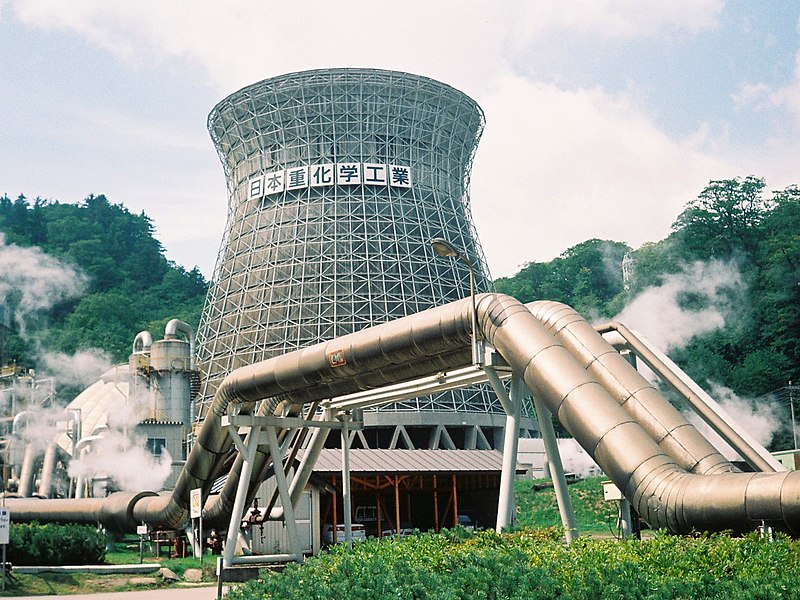
Japan, a country known for its cutting-edge technology and innovative spirit, is also home to significant geothermal energy potential. According to a government report, Japan has the potential to generate 20 GW of electricity from geothermal sources. While currently, the country boasts only 17 geothermal power plants with a total capacity of 535 MW, there is still much to be explored and developed.
The increasing demand for clean and sustainable energy sources is driving countries around the world to explore alternative energy options. Geothermal energy, which harnesses heat from the Earth’s interior to generate electricity, has long been recognized as a promising solution. In Japan, geothermal energy has the potential to play a significant role in reducing the country’s reliance on fossil fuels and mitigating climate change.
The Current State of Geothermal Energy in Japan
Today, Japan relies heavily on imported energy sources, making it vulnerable to fluctuations in global markets. The country’s energy mix is dominated by fossil fuels, which not only contribute to greenhouse gas emissions but also pose environmental and health risks. To mitigate these concerns, the Japanese government has been actively promoting the development of renewable energy sources, including geothermal power.
The Japanese government has established a number of initiatives aimed at increasing the use of geothermal energy. These include providing financial incentives for developers of geothermal projects, investing in research and development to improve the efficiency of geothermal power plants, and implementing policies to encourage the adoption of clean energy technologies.
The Potential of Japan’s Geothermal Resources
A recent report by the International Association for Geothermal Energy (IAGE) estimates that Japan’s geothermal potential could reach 24.9 GW by 2016, supplemented by photovoltaic and wind energy. However, the biggest challenge lies in harnessing the geothermal energy from Japan’s mountainous regions, particularly the Kokutei Kurikoma Koen area.
Japan’s geothermal resources are concentrated in the mountainous regions of the country, where there is significant heat flow from the Earth’s mantle. The most promising areas for geothermal development are located on the main islands of Honshu and Kyushu, where there are extensive volcanic fields and fault lines that create favorable conditions for geothermal energy production.
The Challenges Ahead
While there are significant challenges to overcome, including environmental concerns and technical hurdles, the Japanese government is committed to developing its geothermal resources. To this end, a total of 9 billion yen (approximately $100 million) has been allocated in 2012 for initial research and development of geothermal power plants.
One of the main challenges facing the development of geothermal energy in Japan is the cost of exploration and production. The process of identifying and developing geothermal resources can be expensive, with costs ranging from tens to hundreds of millions of dollars per project. Additionally, there are also environmental concerns, such as the potential impact on local ecosystems and the need for careful planning and management.
The Government’s Ambitious Plans
For 2013, the government plans to allocate an additional 7.5 billion yen (approximately $80 million) to optimize Japan’s geothermal energy potential. Furthermore, a special fund has been established to support developers of geothermal projects, with a planned increase in funding for 2013.
The Japanese government is also committed to increasing public awareness and education about the benefits of geothermal energy. This includes launching campaigns to promote the use of geothermal power and educating citizens about the potential of geothermal resources.
The Role of Private Sector Companies
In recent years, private sector companies have become increasingly involved in the development of geothermal power plants in Japan. As these companies invest heavily in fossil fuels, they are now turning their attention to renewable energy sources like geothermal power.
Some of the major private sector companies involved in the development of geothermal energy in Japan include Mitsubishi Corporation, Sumitomo Corporation, and Osaka Gas Company. These companies have invested significantly in geothermal exploration and production projects, with a focus on developing new technologies and improving the efficiency of existing plants.
Conclusion
Japan’s geothermal potential is a game-changer for the country’s energy security and environmental sustainability. While there are challenges ahead, the government’s commitment to developing this resource is inspiring. With continued investment and innovation, Japan can harness its geothermal potential to create a cleaner, more sustainable energy future.
As the world continues to transition towards clean energy sources, Japan’s experience with geothermal energy development offers valuable lessons for other countries. By investing in renewable energy sources like geothermal power, Japan has set an important example for others to follow, demonstrating that it is possible to reduce dependence on fossil fuels and mitigate climate change while promoting economic growth.
Frequently Asked Questions
Q: What is the current state of geothermal energy in Japan?
A: Currently, Japan has 17 geothermal power plants with a total capacity of 535 MW. However, there is significant potential for growth, with estimates suggesting that Japan could generate up to 20 GW of electricity from geothermal sources.
Q: How much funding has been allocated for the development of geothermal energy in Japan?
A: A total of 9 billion yen (approximately $100 million) was allocated in 2012 for initial research and development of geothermal power plants. For 2013, an additional 7.5 billion yen (approximately $80 million) is planned.
Q: Which companies are investing in geothermal energy?
A: Private sector companies that previously invested heavily in fossil fuels are now turning their attention to renewable energy sources like geothermal power. Some of the major players include Mitsubishi Corporation, Sumitomo Corporation, and Osaka Gas Company.
Q: What is the estimated potential of Japan’s geothermal resources?
A: According to a recent report by the IAGE, Japan’s geothermal potential could reach 24.9 GW by 2016, supplemented by photovoltaic and wind energy.
Q: How can Japan balance its environmental concerns with economic growth?
A: By investing in renewable energy sources like geothermal power, Japan can reduce its reliance on fossil fuels and mitigate the negative impacts of climate change while promoting economic growth.
Q: What role does the government play in supporting the development of geothermal energy in Japan?
A: The Japanese government has established a special fund to support developers of geothermal projects and is committed to investing in research and development to optimize Japan’s geothermal energy potential.
Q: How can citizens contribute to the growth of geothermal energy in Japan?
A: Citizens can support the development of geothermal energy by advocating for policies that promote renewable energy and reducing their own carbon footprint through sustainable practices.


