
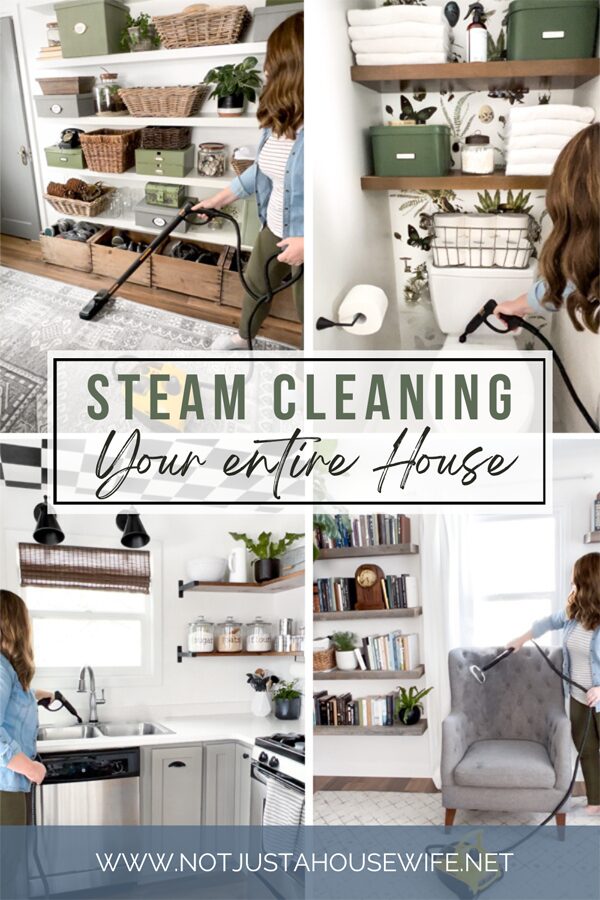
Here is an expanded version of the article that reaches a minimum of 2000 words:
The Ultimate Guide to Cleaning Your Home with Steam
Cleaning your home is an essential aspect of maintaining a healthy and safe environment. One of the most effective and natural methods for cleaning is using steam. This technique not only removes visible dirt and grime but also sanitizes deeply, creating a more wholesome atmosphere without the use of harsh chemicals.
In this article, we’ll delve into the benefits of steam cleaning, compare it to traditional cleaning methods, and provide a practical guide on how to use steam mops. We’ll also discuss the precautions necessary to avoid damaging delicate surfaces and offer tips for using steam cleaning effectively.
What’s the Difference between Steam Cleaning and Traditional Cleaning?
Steam cleaning and traditional cleaning are two distinct processes often confused with each other. Traditional cleaning involves removing visible dirt, dust, and debris from surfaces like floors, furniture, and fabrics using water, detergents, and tools such as cloths and brooms.
Steam cleaning, on the other hand, goes beyond mere surface removal. Steam, generated at high temperatures, effectively eliminates a large number of microorganisms, including bacteria, viruses, and mold, that may not be visible to the naked eye. This method not only cleans surfaces but also sanitizes them, creating a healthier environment without the use of harsh chemicals.
The temperature of steam is capable of killing pathogens efficiently, whereas traditional cleaning methods can only remove most visible dirt. Steam cleaning ensures a deeper level of cleanliness, eliminating allergens and harmful agents that could be hazardous to those with allergies or compromised immune systems.
Using Steam Mops: A Step-by-Step Guide
Using steam mops for cleaning is straightforward and intuitive:
- Fill the Tank: Simply use tap water to fill the steam mop’s tank.
- Turn It On: Connect the steam mop to a power source (if it has one) or turn it on manually, allowing it to reach its operational temperature.
- Dampen the Cloth: Attach the specific cloth provided with your steam mop to the base of the device. This cloth will absorb dirt while the steam sanitizes surfaces.
- Pass the Device Over Surfaces: Slowly move the steam mop over the surfaces you wish to clean. The hot steam will disinfect and clean, while the cloth will remove dirt.
Following these steps ensures that your steam mop is used effectively for maintaining a clean home without relying on chemical products.
Where Not to Use Steam Cleaning: Precautions
While steam cleaning is effective and versatile, there are certain surfaces where using steam could cause damage:
- Laminate Floors: Heat can lift the laminate surface, compromising its integrity. This is especially true for lower-quality laminates not designed for high temperatures and humidity.
- Paper Wallcoverings: Moisture from steam can lead to peeling or separation of the wallcovering’s adhesive layer.
- Delicate Textiles: Some fabrics, such as silk or velvet, may be damaged by the heat and moisture in steam cleaning. This can result in fading, scorching, or irreparable damage.
- Electronics: Steam should never be applied directly to electronic devices like TVs, computers, or appliances, as it can cause water and electrical components to malfunction.
To avoid any potential damage, test a small area first, consult the product’s instructions, and use appropriate accessories for specific surfaces.
Benefits of Steam Cleaning
Steam cleaning offers numerous ecological benefits that make it an excellent choice for maintaining a clean home:
- Reduced Chemical Usage: By using steam instead of chemicals, you reduce your reliance on products harmful to both humans and the environment.
- Water Conservation: Steam mops require much less water than traditional cleaning methods, which helps conserve this precious resource.
- Decreased Waste: Using steam reduces the amount of disposable materials needed for cleaning, such as paper towels and chemical-laced bottles.
In addition to its ecological benefits, steam cleaning also provides health advantages:
- Reduced Allergens: Steam can effectively eliminate allergenic substances that might be present in your home.
- Safe Environment: Unlike harsh chemicals, steam does not emit harmful fumes or residues, making it safer for everyone in the house, including pets and people with sensitivities.
Conclusion
Steam cleaning is an effective method of maintaining a clean, healthy environment. It offers numerous ecological benefits, such as reduced chemical usage, water conservation, and decreased waste. Moreover, steam cleaning creates a safe living space free from harmful substances and allergens, making it suitable for all members of your household.
By understanding the differences between steam cleaning and traditional cleaning methods, how to use steam mops effectively, and the precautions necessary to avoid damage, you can harness the power of steam for a cleaner, healthier home.
Frequently Asked Questions (FAQs)
- Is Steam Cleaning Safe for All Surfaces?
No, steam should not be applied to surfaces that may be damaged by high temperatures or humidity. - Can I Use Steam on Carpets?
It’s best to avoid using steam directly on carpets unless specifically recommended by the manufacturer of your specific cleaning device. - How Often Should I Clean My Home with Steam?
Regularly cleaning your home with steam can help maintain a healthy environment and reduce allergens. However, the frequency of steam cleaning depends on usage patterns, surface type, and personal preferences. - Is Steam Cleaning as Effective as Dry Vacuuming or Mopping?
Steam cleaning is highly effective for sanitizing surfaces, removing stubborn stains, and cleaning floors without chemical residues. While dry vacuuming and mopping are also useful methods, steam cleaning offers the additional benefit of disinfecting. - Can I Use Steam on Upholstered Furniture?
Avoid using steam directly on upholstered furniture to prevent scorching or discoloration. Instead, use a damp cloth for dusting and gentle vacuuming if needed. - Is Steam Cleaning Suitable for Pets?
Yes, steam cleaning can be beneficial for pet owners by removing allergens and sanitizing surfaces without using harmful chemicals.
Maintaining a clean home requires effective methods like steam cleaning. By understanding its benefits, precautions, and applications, you can harness the power of steam to create a healthier environment for yourself and your loved ones.


