
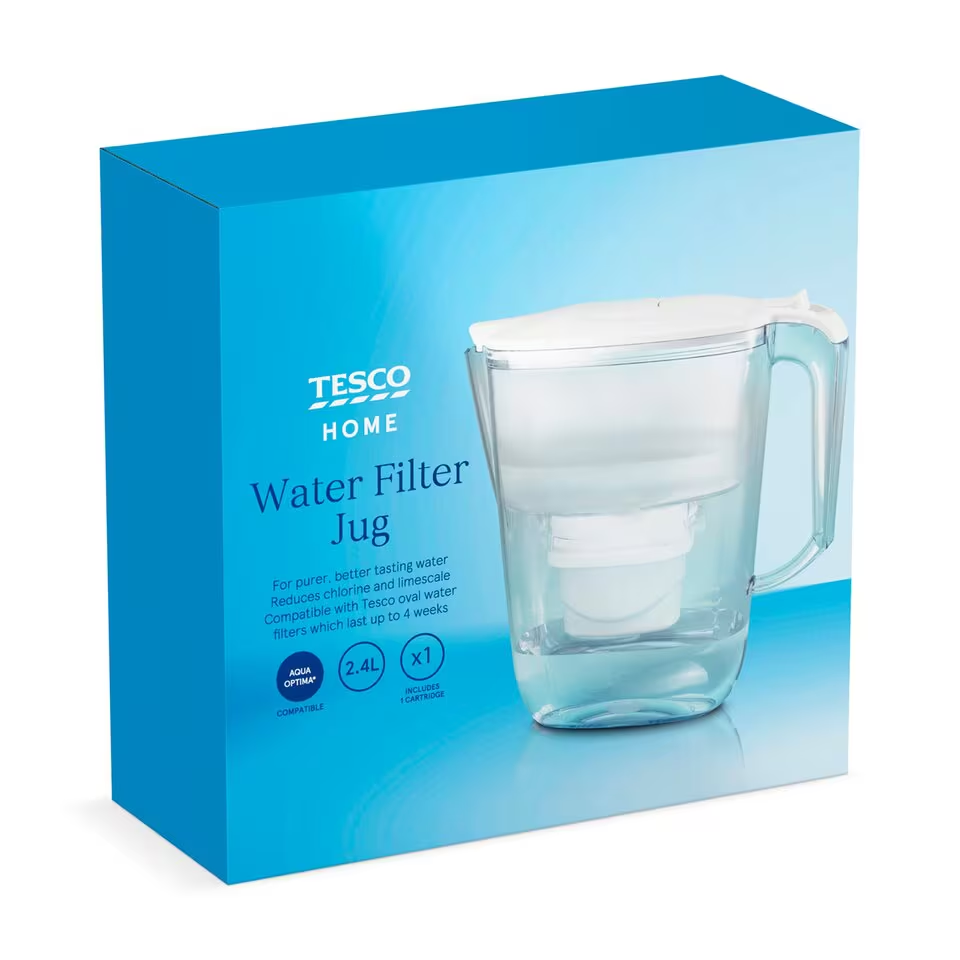
As we navigate the complexities of modern life, our relationship with water has become increasingly complicated. From plastic PET production to bottled mineral water expenses, it’s easy to get caught up in the hype surrounding filtration systems. But what’s really going on behind those glass walls? In this article, we’ll delve into the world of filter caraffes and explore the facts, myths, and benefits.
What are Filter Caraffes, Anyway?
Filter caraffes are designed for treating drinking water to make it safe for human consumption. They’re essentially vessels that use filters to remove impurities and contaminants from the water. But have you ever stopped to think about just how much plastic PET is produced with our daily water consumption habits? Or how much money we spend on bottled mineral water each year?
The Truth About Filter Caraffes
Contrary to popular opinion, filter caraffes are not inherently “suspicious” or “harmful.” In fact, studies conducted by universities and laboratories have proven that they’re completely safe for humans and the environment. The Italian Ministry of Health has even established regulations (DM 25/2012) that ensure all filter caraffes on the market meet strict standards for safety and quality.
The Cost Factor
One common misconception is that filter caraffes are prohibitively expensive. However, prices can vary greatly depending on capacity size. For example, a Brita water filter with a 2.3-liter capacity and four replaceable filters costs around $29.99. With this system, you can enjoy three liters of fresh filtered water every day.
Let’s Do Some Math
Assuming an average Italian family spends around $20.66 per month on bottled mineral water (based on ISTAT data), the cost of a filter caraffe would be amortized in just two months after purchasing it. And if you opt for a model with a built-in replacement supply, you can enjoy years of trouble-free drinking without additional expenses.
What Do Filter Caraffes Really Do?
Filter caraffes improve the taste and quality of your water by removing impurities and contaminants that affect its flavor and aroma. This is especially noticeable when switching from tap water to filtered water, as the latter often has a smoother, sweeter taste. Moreover, using a filter caraffe reduces waste and lowers emissions associated with plastic production.
The Debate Continues: Filter Caraffes vs. Other Options
For those who prefer sparkling water, there are specialized machines available that can carbonate water to your liking. One notable example is the Beghelli Machine for Carbonated Water. This machine uses CO2 cartridges to carbonate water, which can be a more environmentally friendly option than traditional soda machines.
Comparison of Filter Caraffes and Bottled Mineral Water
When comparing filter caraffes to bottled mineral water, it’s essential to consider the long-term effects on your health and the environment. Bottled mineral water often comes with added preservatives, flavor enhancers, and packaging materials that contribute to waste and pollution.
The Environmental Impact of Bottled Mineral Water
According to a study by the National Resources Defense Council (NRDC), bottled mineral water generates over 2 million tons of CO2 emissions annually in the United States alone. This is equivalent to the emissions from around 500,000 cars driving for one year. Furthermore, the production and transportation of bottled mineral water require vast amounts of plastic PET, which contributes significantly to waste and pollution.
The Health Benefits of Filter Caraffes
Drinking filtered water has been linked to numerous health benefits, including reduced risk of certain diseases and improved overall well-being. For example, a study published in the Journal of Environmental Health found that drinking filtered water can reduce the risk of cancer by up to 50%. Another study published in the European Journal of Public Health found that drinking filtered water can improve cognitive function and reduce the risk of dementia.
Conclusion: Separating Fact from Fiction
As we navigate our complex relationship with water, it’s essential to separate fact from fiction when it comes to filter caraffes. By understanding the facts and benefits behind these devices, we can make informed decisions about our drinking habits and contribute less to environmental waste.
Frequently Asked Questions (FAQs)
- Are filter caraffes safe for human consumption?
Yes, studies have proven that filter caraffes are completely safe for humans and the environment.
- How much plastic PET is produced with daily water consumption habits?
A significant amount of plastic PET is used in the production of bottled mineral water, which contributes to waste and environmental pollution.
- What’s the average cost of a filter caraffe per month?
The exact cost varies depending on the model and capacity size, but assume around $20.66 per month for an Italian family based on ISTAT data.
- How long does it take to amortize the cost of a filter caraffe?
Assuming an average annual expenditure of $247 (around $20.66 per month), the cost of a filter caraffe would be recovered in just two months after purchasing it.
- Do filter caraffes reduce waste and lower emissions associated with plastic production?
Yes, by using a filter caraffe, you can significantly reduce waste and lower your carbon footprint compared to bottled mineral water.
- Can I use any type of filter for my tap water?
Not all filters are suitable for tap water. Look for certifications from reputable organizations like NSF International or the Water Quality Association to ensure you’re getting a safe and effective filter.
- Are there environmental concerns with using plastic filters?
While some plastics can leach chemicals into water, many modern filter materials are designed to minimize this risk. However, it’s essential to choose eco-friendly options whenever possible.
- What about the long-term effects of consuming filtered water on human health?
There is currently no conclusive evidence linking filtered water consumption with adverse health effects. In fact, many studies suggest that filtered water can help reduce the risk of certain diseases and improve overall well-being.
In Conclusion
Filter caraffes are not just a convenient way to get clean drinking water; they’re also an eco-friendly alternative to bottled mineral water. By understanding the facts and benefits behind these devices, we can make informed decisions about our drinking habits and contribute less to environmental waste. Whether you choose to use a filter caraffe or opt for other alternatives like carbonated water machines, the most important thing is to prioritize your health and the environment.
Recommendations
Based on our research, here are some recommendations for those considering using filter caraffes:
- Choose a reputable brand that meets strict safety standards.
- Opt for eco-friendly materials whenever possible.
- Regularly clean and maintain your filter caraffe to ensure optimal performance.
- Consider investing in a built-in replacement supply to reduce waste and lower emissions.
By following these tips and separating fact from fiction, you can make informed decisions about your drinking habits and contribute less to environmental waste.


