
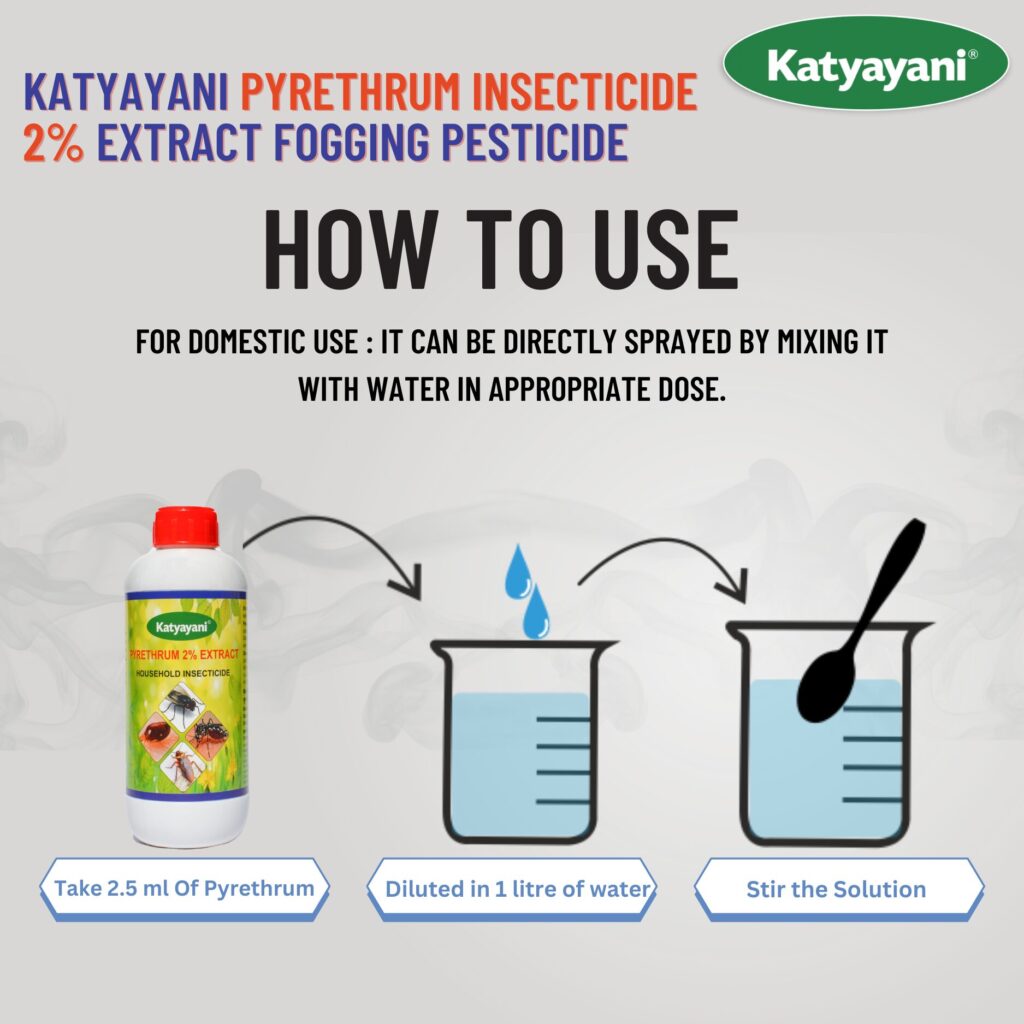
What is Pyrethrum?
Pyrethrum is a natural insecticide that has been used for centuries to control pests in gardens, homes, and agriculture. It’s derived from the flowers of the pyrethrum daisy, which are native to Africa and Asia. The name “pyrethrum” comes from the Greek word “pyr,” meaning fire, due to its historical use as a natural insect repellent.
History of Pyrethrum
The use of pyrethrum dates back to ancient civilizations in Egypt, Greece, and Rome. They used it to repel insects and protect their homes and gardens from pests. In the 19th century, pyrethrum was rediscovered in Africa and Asia, where it had been used for centuries. Today, pyrethrum is a popular natural insecticide used worldwide.
How Does Pyrethrum Work?
Pyrethrum works by interfering with the insects’ nervous system, causing them to die or become paralyzed. The active ingredients in pyrethrum, known as pyrethrins, are responsible for its insecticidal properties. When applied to a plant or surface, pyrethrin is absorbed by the insects and disrupts their normal functioning.
Using Pyrethrum: A Guide for Safe and Effective Use
When using pyrethrum, it’s essential to follow some guidelines to ensure its effectiveness and safety.
- Timing is everything: Apply pyrethrum in the late afternoon or evening when the sun is not intense. This allows the active ingredients to break down naturally within 2-3 days.
- Temperature matters: Pyrethrum works best in temperatures below 25°C (77°F). Avoid using it during extremely hot weather.
- Direct application only: Pyrethrum is a contact insecticide, meaning it works by killing pests that come into direct contact with the active ingredients. Irrigate the affected area directly to ensure maximum efficacy.
What Can Pyrethrum Control?
Pyrethrum is effective against a wide range of pests, including:
- Aphids
- Whiteflies
- Spider mites
- Thrips
- Caterpillars
- Mosquitoes
- Flies
However, pyrethrum may not be as effective against all pests. It’s essential to choose the right product for your specific needs.
Pyrethrum vs Piperonyl Butoxide
Some commercial products combine pyrethrum with piperonyl butoxide (PBO), which enhances its effectiveness by delaying the breakdown of the active ingredients. This means you’ll get longer-lasting results without compromising on safety.
Precautions and Preparations
While pyrethrum is generally safe to use, there are some precautions to keep in mind:
- Avoid overuse: Prolonged or indiscriminate use can lead to pest resistance.
- Select the right product: Choose a reputable brand that follows good agricultural practices (GAPs) and has a clear label on its ingredients and usage guidelines.
Purchasing Pyrethrum
Pyrethrum is available in various forms, including powders, sprays, and liquid concentrates. You can find it at garden centers or online retailers like Amazon.
Benefits of Using Pyrethrum
Using pyrethrum has several benefits, including:
- Environmentally friendly: Pyrethrum is a natural insecticide that’s biodegradable and non-toxic to humans.
- Effective against a wide range of pests: Pyrethrum is effective against many common garden pests, making it a popular choice among gardeners.
- Long-lasting results: Pyrethrum can provide long-lasting results without the need for repeated applications.
Conclusion
Pyrethrum is a natural and effective insecticide that’s been used for centuries to control pests in gardens, homes, and agriculture. By following the guidelines outlined above and using it responsibly, you can enjoy a healthier and pest-free environment. Whether you’re a seasoned gardener or just starting out, pyrethrum is an excellent choice for controlling pests without harming the environment.
Frequently Asked Questions (FAQs)
- What is pyrethrum?
Pyrethrum is a natural insecticide derived from the flowers of the pyrethrum daisy. - How do I use pyrethrum?
Apply pyrethrum in the late afternoon or evening, when the sun is not intense, and at temperatures below 25°C (77°F). - What can pyrethrum control?
Pyrethrum is effective against aphids, whiteflies, spider mites, thrips, caterpillars, mosquitoes, and flies. - Is pyrethrum safe to use?
Pyrethrum is generally safe when used responsibly, but overuse can lead to pest resistance. - Can I combine pyrethrum with other products?
Some commercial products combine pyrethrum with piperonyl butoxide (PBO), which enhances its effectiveness by delaying the breakdown of active ingredients. - Where can I buy pyrethrum?
Pyrethrum is available at garden centers and online retailers like Amazon. - How do I store pyrethrum?
Store pyrethrum in a cool, dry place away from children and pets. - What are the potential side effects of using pyrethrum?
Pyrethrum can be toxic to beneficial insects like bees, so avoid applying it near bee colonies or areas with high insect activity.
By understanding how to use pyrethrum effectively and responsibly, you can enjoy a healthier and pest-free environment.


