
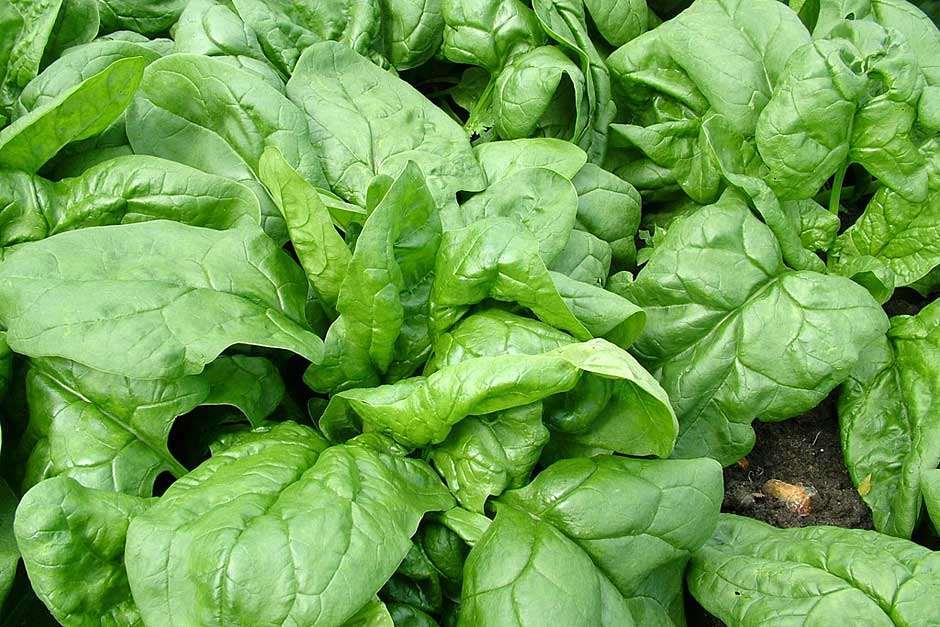
As one of the most versatile leafy greens in the kitchen, why not give spinach a try? Cultivating spinach is a straightforward process that requires minimal attention, following basic guidelines: climate, soil, and water.
Cultivating Spinach: The Climate Factor
Spinach is primarily grown in northern regions, where its suitable climate allows for varying leaf sizes and textures. Different varieties have distinct characteristics, making it essential to choose the right type for your area. Spinach thrives in temperate climates with moderate temperatures. It can withstand frost down to -1°C (30°F) but is sensitive to excessive sunlight.
Understanding Climate Zones
Spinach is typically grown in USDA Hardiness Zones 3-8. These zones provide the ideal temperature range for spinach growth, allowing it to thrive and maintain its nutritional value.
Key Climate Considerations:
- Temperature: Spinach prefers temperatures between 10°C (50°F) and 20°C (68°F). Avoid planting in areas with extreme temperatures.
- Sunlight: Spinach requires partial shade, especially during hot summer months. Aim for at least 4-6 hours of direct sunlight per day.
Cultivating Spinach: The Soil Requirement
Spinach requires a well-draining, medium-textured soil to prevent waterlogging and root rot. Regularly aerating the soil by removing weeds and debris helps maintain air circulation. Before sowing seeds, it’s crucial to add organic matter such as compost or manure to enrich the soil.
Important Soil Tips:
- Avoid using high-nitrogen fertilizers, as they can accumulate in spinach leaves.
- Use a balanced fertilizer instead, promoting healthy growth without excessive nitrogen.
- Maintain optimal pH levels: Spinach prefers a slightly acidic to neutral soil pH (6.0-7.0).
Creating an Ideal Growing Environment
To ensure your spinach crop thrives, focus on creating an ideal growing environment:
- Soil preparation: Test and amend the soil as necessary.
- Aeration: Regularly aerate the soil to promote healthy root growth.
- Mulching: Apply a 2-3 inch layer of organic mulch to retain moisture and suppress weeds.
Cultivating Spinach: The Sowing Process
Spinach is typically grown from seed between March and November, with intervals of 2-3 weeks to ensure continuous harvesting. To sow seeds, create holes about 25 cm (10 inches) apart, 3 cm deep. Cover the seeds with soil, and if necessary, cover the area with a clear plastic tarp in cold weather.
Tips for Successful Sowing:
- Space plants far enough apart to allow for proper growth.
- Remove excess seedlings to promote healthy development.
- Sow seeds at the correct depth: Follow the package instructions for optimal sowing depths.
Cultivating Spinach: The Watering Method
Spinach requires consistent moisture, but avoid overwatering, which can lead to pest and fungal infestations. Water the plants when the soil feels dry to the touch, making sure not to collect water in the plant bed.
Watering Tips:
- Use a gentle sprinkler system or soaker hose to minimize evaporation.
- Avoid getting water on the leaves to prevent fungal diseases.
- Monitor soil moisture: Adjust watering schedules according to weather conditions and soil type.
Cultivating Spinach: The Harvest Process
Spinach is ready for harvest when its four to six largest leaves are reached. Cut off the leaves with scissors, taking care not to damage the plant’s central stem, which will continue to produce new growth.
Harvest Tips:
- Use a sharp knife or pruning shears to minimize damage.
- Harvest spinach in the morning, after the dew has dried but before the heat of the day.
- Avoid over-harvesting: Limit daily harvests to encourage continuous growth.
By following these guidelines for climate, soil, sowing, watering, and harvesting, you’ll be enjoying fresh, nutritious spinach in no time!
Frequently Asked Questions (FAQs)
-
What is the best time to plant spinach?
Spinach can be planted from March to November, depending on your location. -
How much sunlight does spinach need?
Spinach requires partial shade, especially during hot summer months. -
Can I grow spinach in containers?
Yes, but make sure the container has good drainage and is at least 10-12 inches deep. -
What are some common pests that affect spinach?
Common pests include aphids, slugs, snails, and caterpillars. -
How often should I water my spinach plants?
Spinach needs consistent moisture but can be sensitive to overwatering. -
Can I grow spinach indoors?
Yes, using a hydroponic system or container gardening with proper lighting and temperature control. -
What are some common diseases that affect spinach?
Common diseases include powdery mildew, leaf spot, and root rot. -
How long does it take for spinach to mature?
Spinach typically takes 20-30 days from sowing seeds to harvest. -
Can I grow multiple varieties of spinach together?
Yes, but choose varieties with similar growing conditions and space requirements. -
What is the best way to store leftover spinach?
Store in a sealed container or plastic bag, refrigerate, and use within 3-5 days.


