
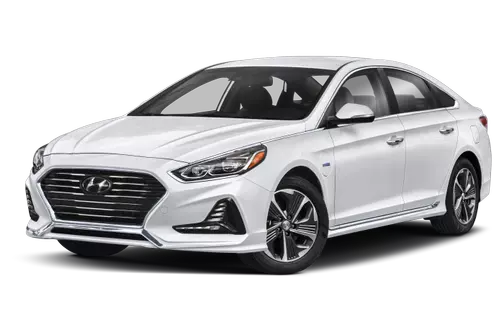
As the automotive industry continues to evolve, hybrid and electric vehicles are becoming increasingly popular. One such model that caught attention at the 2015 Detroit Auto Show was the Hyundai Sonata Plug-in Hybrid. In this article, we will delve into the details of this innovative vehicle, exploring its features, benefits, and what sets it apart from its predecessor.
Introduction to the Hyundai Sonata Hybrid
At the 2015 Detroit Auto Show, Hyundai unveiled its new hybrid car in both simple and plug-in versions. The two models, known as Sonata Hybrid and Sonata Plug-in Hybrid, share some similarities but also have distinct differences. To understand the unique characteristics of each model, let’s start by examining their key features.
Design Differences: A Closer Look
One of the most noticeable differences between the two models is their front grille and aerodynamic design. While both versions feature a sleek and modern look, they have distinct styling cues that set them apart. However, when it comes to the engine compartment, the Sonata Hybrid and Plug-in Hybrid have more pronounced differences.
The Hyundai Sonata Hybrid features a simple, straightforward design with a focus on fuel efficiency. The car’s front grille is slightly smaller than its plug-in counterpart, giving it a more understated appearance. In contrast, the Sonata Plug-in Hybrid boasts a larger, more aggressive front grille that hints at its advanced technology and capabilities.
Under the Bonnet: What’s Inside
So, what makes these two models tick? Let’s take a closer look at their engines and batteries.
The Hyundai Sonata Hybrid features a 1.62 kWh lithium-polymer battery hidden under the trunk. This battery provides electricity to the electric motor at 38 kW, which is paired with a gasoline engine that produces 4 cylinders and 2.0 liters of displacement. The hybrid system offers an overall power output of 193 CV.
On the other hand, the Sonata Plug-in Hybrid boasts a massive 9.8 kWh lithium-polymer battery, significantly larger than its counterpart in the simple model. This huge battery allows for extended electric-only driving capabilities and increased efficiency.
The plug-in version also features an advanced alternator that enables it to recharge the battery while driving, providing even more flexibility and convenience. This feature is particularly useful for owners who need to drive long distances or use their car frequently.
Fuel Efficiency: A Key Advantage
One of the most significant benefits of both models is their improved fuel efficiency. According to Hyundai, Sonata Hybrid offers an average consumption of 5.6 liters per 100 kilometers, a reduction of over 10% compared to its predecessor.
However, it’s the plug-in model that truly shines when it comes to fuel efficiency. With an estimated range of up to 35 kilometers in electric-only mode, owners can enjoy significant savings on fuel costs and reduced carbon emissions.
Charging Times: Practicality Meets Convenience
Another crucial aspect to consider is charging times. Hyundai claims that the Sonata Plug-in Hybrid can be charged from empty to full in approximately 150 minutes using a 240 V charger. In contrast, it takes around 5 hours to fully charge with a standard 120 V household outlet.
While these numbers may seem daunting, they highlight the practicality and convenience of the plug-in model. With a smartphone app like Blue Link, owners can schedule recharging sessions at optimal times, ensuring maximum efficiency and cost-effectiveness.
Smartphone App: Remote Control and Monitoring
The Hyundai Sonata Plug-in Hybrid comes with the innovative Blue Link app, which enables remote control and monitoring of various vehicle commands. With this app, owners can:
- Interrupt or resume charging
- Schedule recharging sessions using the electrical network
- Monitor the cabin temperature for optimal comfort
- Access vehicle diagnostics to track battery life and overall performance
The Blue Link app is an excellent example of Hyundai’s commitment to technology integration and driver convenience. It allows owners to tailor their driving experience to their specific needs, providing a more personalized and enjoyable ride.
Safety Features: Advanced Protection
In addition to its impressive features and capabilities, the Sonata Plug-in Hybrid boasts an impressive array of safety features. These include:
- Rearview camera with parking sensors
- Blind spot monitoring system
- Lane departure warning and lane-keeping assist
- Forward collision avoidance system
These advanced safety features help protect drivers and passengers from potential hazards on the road, providing peace of mind and added confidence behind the wheel.
Maintenance Costs: Lower Operating Expenses
One of the most significant benefits of owning a Hyundai Sonata Plug-in Hybrid is its lower operating expenses. With improved fuel efficiency and reduced maintenance costs, owners can enjoy significant savings over time.
According to Hyundai’s estimates, the plug-in model can save drivers up to $1,500 per year in fuel costs, while also reducing emissions by an estimated 250 grams per kilometer.
Environmental Impact: A More Sustainable Future
The Hyundai Sonata Plug-in Hybrid represents a significant step forward in sustainable mobility. By combining electric and gasoline power, this vehicle reduces carbon emissions and helps minimize its environmental footprint.
As we move towards a more environmentally conscious future, models like the Sonata Plug-in Hybrid will play a crucial role in shaping our collective vision of sustainable transportation.
Conclusion: A Revolutionary Vehicle
The Hyundai Sonata Plug-in Hybrid represents a significant leap forward in hybrid technology. With its impressive fuel efficiency, extended electric-only driving range, and convenient charging times, it’s an attractive option for environmentally conscious drivers.
As we look to the future of transportation, models like the Sonata Plug-in Hybrid will play a crucial role in shaping our collective vision of sustainable mobility. Whether you’re a seasoned eco-warrior or simply looking for a more practical vehicle, this innovative model is definitely worth considering.
Frequently Asked Questions
Here are some key questions and answers related to the Hyundai Sonata Plug-in Hybrid:
Q: What’s the estimated range of the electric-only mode in the Sonata Plug-in Hybrid?
A: Up to 35 kilometers
Q: How long does it take to fully charge the battery using a standard household outlet?
A: Approximately 5 hours
Q: Can I schedule recharging sessions with the Blue Link app?
A: Yes, you can schedule recharging sessions at optimal times using the electrical network.
Q: What’s the maximum torque of the hybrid system in the Sonata Plug-in Hybrid?
A: 190 Nm
Q: How much does it cost to purchase a Hyundai Sonata Plug-in Hybrid?
A: Prices vary depending on location and trim level (please check with local dealerships for more information)
Q: Is the Sonata Plug-in Hybrid available in all regions?
A: Currently, this model is not widely available; however, we can expect to see it expand to other markets in the near future.
Q: Can I use the Blue Link app on both iOS and Android devices?
A: Yes, the Blue Link app supports both iOS and Android platforms.
Q: What’s the recommended maintenance schedule for the Hyundai Sonata Plug-in Hybrid?
A: We recommend following the manufacturer’s recommended maintenance schedule to ensure optimal performance and fuel efficiency.


