
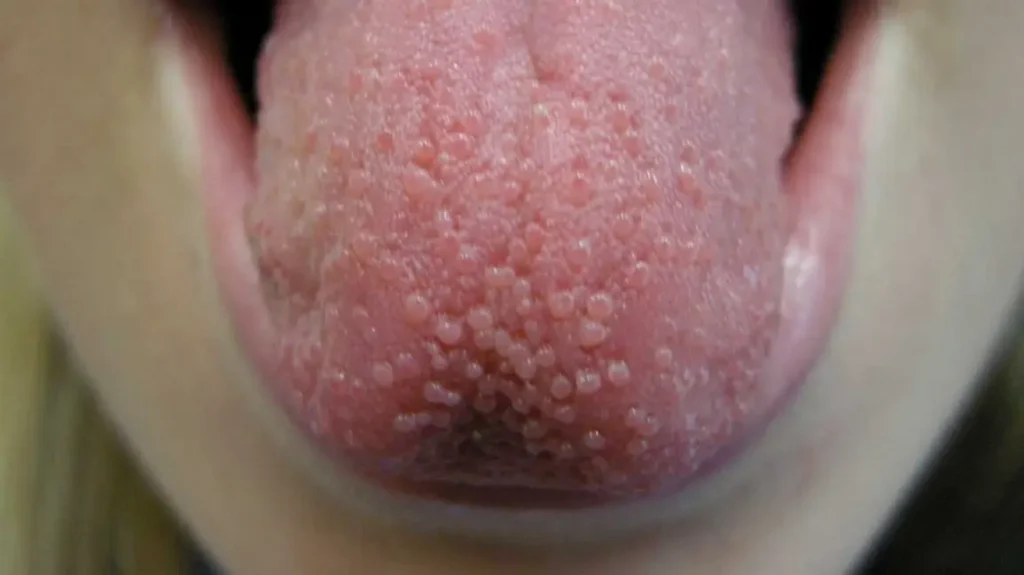
Understanding Blisters on the Tongue
Blisters on the tongue are a common annoyance that can be triggered by various factors such as injuries, allergies, infections, and more. Although they may cause concern, blisters are usually harmless. In this article, we’ll delve into the causes of blisters on the tongue, diagnosis, treatment, and prevention strategies to help you manage this issue effectively.
What Causes Blisters on the Tongue?
Blisters on the tongue can be caused by various factors, including:
- Injuries: Accidental biting or trauma to the tongue can lead to blisters.
- Allergies: Food allergies and allergic reactions can cause blistery lesions on the tongue, taking on a red, white, or yellow appearance.
- Herpes: Oral herpes is a common viral infection that affects about 60% of adults, causing painful vesicles in the mouth and tongue.
- Infections: Painful blisters accompanied by fever may indicate a severe infection.
- Sore throats: Caused by postnasal drip or excessive mucus production.
- Acid reflux: Also known as gastroesophageal reflux disease (GERD), it can cause stomach acid to flow up into the mouth and throat, leading to blisters.
Diagnosis of Blisters on the Tongue
The only emergency medical cause of tongue blisters is anaphylaxis. Therefore, people with swollen tongues or respiratory problems should seek immediate medical help.
For the rest, unless a blister causes intense pain or if the person has a fever, it’s usually best to wait for a few days before consulting a doctor. If symptoms persist for more than a week, however, it’s best to talk to a doctor.
Treatment of Blisters on the Tongue
To find the treatment for tongue blisters, it’s essential to consult with your doctor. However, you can also try some natural remedies, such as drinking plenty of water and avoiding acidic and spicy foods.
In general, treatment will depend on the cause of the blister, and medications like antiviral drugs may be prescribed if blisters are caused by oral herpes. Most bacterial infections require antibiotics.
Most conditions resolve on their own, while oral herpes is not curable, although antiviral medications can help prevent further outbreaks.
Home Remedies for Tongue Blisters
Regardless of the causes of tongue blisters, some home remedies can help:
- Avoid acidic and spicy foods: Until blisters disappear.
- Drink plenty of water: To keep your mouth moist and promote healing.
- Do gargle with warm saltwater: And use baking soda to rinse your mouth.
- Apply topical treatments: To reduce pain, such as antiseptic ointments or oral pain relievers.
- Avoid using alcohol-based mouthwashes: Until blisters disappear.
Prevention Strategies
Good oral health is crucial in preventing tongue blisters and other oral cavity problems. Here are some prevention strategies to keep in mind:
- Brush your teeth twice a day: And pass the interdental brush at least once a day.
- See your dentist every two years: For regular check-ups and cleanings.
- Thoroughly rinse your mouth after using inhalers: To prevent irritation.
- Avoid irritating foods to the gums: Such as sugary snacks or spicy foods.
- Limit sugary snacks and foods that can cause tooth decay: By practicing good oral hygiene.
- Quit smoking and avoid chewing tobacco products: To reduce the risk of oral health problems.
Conclusion
Blisters on the tongue are a common issue, but with proper treatment and prevention strategies, you can manage them effectively. Remember to consult with your doctor if symptoms persist or worsen over time. By taking care of your oral health, you can prevent tongue blisters and other oral cavity problems from occurring.
Frequently Asked Questions
Q: What is anaphylaxis?
A: Anaphylaxis is a life-threatening allergic reaction that requires immediate medical attention.
Q: Can I treat blisters on my tongue at home?
A: Yes, you can try some natural remedies such as drinking plenty of water and applying topical treatments. However, if symptoms persist or worsen, it’s best to consult with your doctor.
Q: How long does it take for blisters on the tongue to heal?
A: The healing time for blisters on the tongue varies depending on the cause and severity of the blister. In general, most conditions resolve on their own within a few days to a week.
Q: Can I prevent tongue blisters from occurring in the first place?
A: Yes, by practicing good oral hygiene, avoiding irritating foods, and taking care of your overall health, you can reduce the risk of developing tongue blisters.
Q: What is the best way to soothe a painful blister on my tongue?
A: You can try applying topical treatments such as antiseptic ointments or oral pain relievers. Additionally, drinking plenty of water and avoiding acidic and spicy foods can help alleviate discomfort.
A: No, if someone has blisters on their tongue, it’s best to avoid sharing food until the blisters have healed completely to prevent the spread of infection.
Q: What should I do if I experience anaphylaxis symptoms?
A: If you experience anaphylaxis symptoms such as difficulty breathing, rapid heartbeat, or swelling of the face and throat, seek immediate medical attention.


