
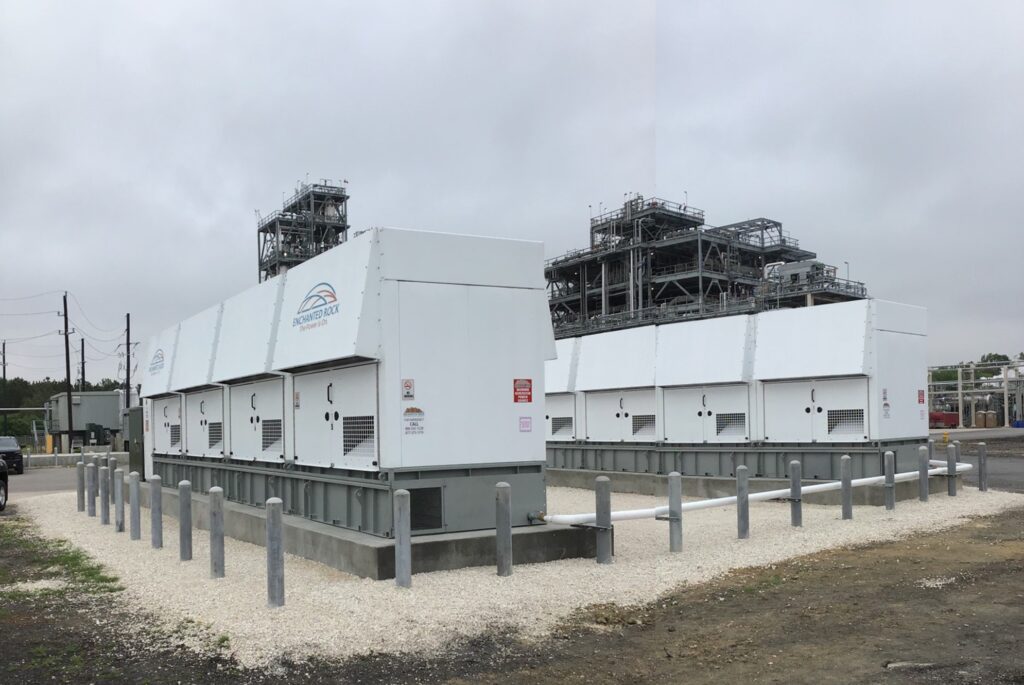
As technology continues to advance and our dependence on fossil fuels decreases, companies are looking for innovative ways to power their data centers. Microsoft, one of the world’s largest tech giants, has announced plans to experiment with a new solution using biogas as a primary source of energy for its next data center.
Introduction to the Topic
In recent years, there has been an increasing focus on reducing carbon emissions and promoting sustainable practices in the technology sector. As data centers continue to grow in size and power consumption, companies are under pressure to find innovative solutions that can help reduce their environmental impact. Biogas, a renewable energy source produced through anaerobic digestion of organic matter, is gaining popularity as an alternative to traditional fossil fuels.
Biogas: A Renewable Energy Source
Biogas is produced from the breakdown of organic materials such as food waste, agricultural waste, and sewage sludge in the absence of oxygen. This process results in a mixture of methane (CH4) and carbon dioxide (CO2), which can be used to generate electricity, heat, or fuel. Biogas has several advantages over traditional energy sources, including lower greenhouse gas emissions, improved air quality, and reduced dependence on fossil fuels.
The use of biogas as an energy source also has the potential to reduce waste disposal costs and promote sustainable agriculture practices. Additionally, biogas can be used to generate electricity in various power plants, such as anaerobic digestion-based power plants or gas engines.
Microsoft’s Biogas Solution
Microsoft plans to build its new data center near an existing wastewater treatment plant in Cheyenne, Wyoming. The cell will provide 200 kilowatts of power, allowing the data center to operate independently from the electrical grid. This innovative approach is not only environmentally friendly but also provides opportunities for Microsoft to reduce its carbon footprint and promote sustainable practices.
The use of biogas-powered cells in data centers is an exciting development that could pave the way for a new era in renewable energy. By harnessing the power of biogas, companies can significantly reduce their reliance on fossil fuels and lower greenhouse gas emissions.
Cell Performance
The FuelCell Energy cell used by Microsoft will produce up to 300 kilowatts of energy. However, only two-thirds of this power will be used to feed the servers. This means that the remaining third will be stored for later use or sold back to the grid. The performance of these cells is impressive, with eBay’s data center generating six megawatts of power – a significant 30 times more than Microsoft’s projected output.
Sean James: A New Frontier in Data Center Technology
Senior Manager Sean James explained what makes this project unique: “The integration of our new biogas-powered cell with the wastewater treatment plant is a first-of-its-kind endeavor. We’re pushing the boundaries of data center technology.”
James also highlighted the potential benefits of using biogas-powered cells in data centers, including reduced greenhouse gas emissions and lower operating costs.
Challenges Ahead
While biogas has become increasingly popular as an alternative energy source, there are still challenges to overcome. Many existing facilities struggle to take advantage of this renewable energy directly from its source due to issues with infrastructure.
One of the main challenges is managing traffic – or, more specifically, the fluctuations in electricity demand generated by server loads. If biogas-powered cells can effectively manage traffic, they could play a significant role in shaping the future of data center technology.
Strategies for Overcoming Challenges
According to James, strategic planning is key to overcoming these hurdles: “Our approach addresses many of the limitations by using innovative technologies.”
Microsoft has chosen a data center design that allows it to operate independently from the grid. This means that the company will need to address the challenges associated with generating and storing energy.
Data Center Design and Operations
The new biogas-powered cell is designed to optimize performance while minimizing waste energy. The system uses advanced fuel management techniques to ensure that excess energy is stored for later use or sold back to the grid.
Microsoft has also implemented a range of energy-efficient technologies, including high-efficiency servers and cooling systems. These measures will help reduce the data center’s overall power consumption and lower greenhouse gas emissions.
Traffic Management: The Next Frontier in Biogas Technology
The key challenge is managing traffic – or, more specifically, the fluctuations in electricity demand generated by server loads. If biogas-powered cells can effectively manage traffic, they could play a significant role in shaping the future of data center technology.
Microsoft’s approach addresses this challenge by using advanced fuel management techniques to optimize power generation and reduce waste energy. The company has also implemented a range of energy-efficient technologies, including high-efficiency servers and cooling systems.
Conclusion
Microsoft’s innovative approach to renewable energy highlights the rapid pace at which the tech industry is embracing clean power sources. This new project will pave the way for even more efficient and sustainable technologies.
As companies continue to prioritize sustainability and reduce their environmental impact, we can expect to see more innovative solutions like Microsoft’s biogas-powered data center.
Frequently Asked Questions (FAQs)
- What are the benefits of using biogas-powered cells in data centers?
Biogas-powered cells offer several advantages over traditional energy sources, including reduced greenhouse gas emissions and lower operating costs.
- How does Microsoft’s new biogas solution differ from existing solutions?
The integration of the wastewater treatment plant and the use of FuelCell Energy cells mark a significant departure from other biogas-powered data center projects.
- What are the potential challenges associated with using biogas in data centers?
Some of the most significant hurdles include infrastructure limitations, energy storage, and traffic management.
- How will Microsoft’s approach address these challenges?
The company is taking a strategic approach to overcoming these obstacles by leveraging innovative technologies and integrating its solution with other energy sources.
- What are the benefits of this pilot project for Microsoft?
By testing the biogas-powered cell in real-world conditions, Microsoft can gain valuable insights into how to optimize performance and improve data center efficiency.
- Can you explain the significance of traffic management in the context of data centers?
Traffic management refers to the ability to adjust electricity generation to match changes in server load. This is critical for maintaining a stable power supply while minimizing waste energy.
- What are some of the other advantages of using biogas-powered cells in data centers?
Biogas-powered cells can provide up to 30 times more power than traditional energy sources, making them an attractive option for large-scale applications like data centers.
- How does this project align with Microsoft’s broader sustainability goals?
By integrating renewable energy sources into its operations, Microsoft is moving closer to achieving its commitment to reducing carbon emissions and promoting sustainable practices throughout the tech industry.


