
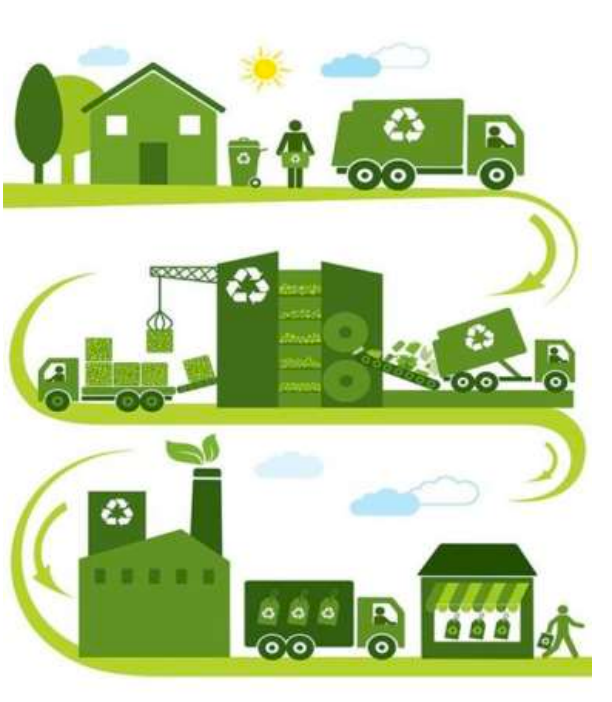
As the world grapples with the challenges of climate change, sustainable waste management has become an essential aspect of our daily lives. The city of Milan, once considered a lagging behind in its waste management policies, is now taking steps towards a more sustainable future. In this article, we will explore the current state of waste management in Milan, highlight the successes and challenges faced by the city, and discuss innovative solutions being implemented to reduce waste and increase recycling.
The Current State of Waste Management in Milan
Milan’s waste management system is still far from achieving the 65% target set by national regulations. However, the city’s efforts to implement a serious waste management policy have been underway since 2012 with the launch of the Forsu program. Although progress has been slow, the city’s commitment to sustainability cannot be overstated.
The Forsu program is a comprehensive approach that aims to improve waste management and reduce waste production in Milan. The program includes measures such as waste sorting at source, increasing recycling rates, and implementing efficient collection systems. While there have been some challenges in implementing these measures, the city remains committed to achieving its sustainability goals.
The Importance of Recycling
According to Pierfrancesco Maran, assessore for urban planning, the Giunta Albertini will be remembered for its efforts in improving waste management and water treatment systems. This sentiment is echoed by Legambiente, which reports that Milan’s recycling rate stands at around 34%. While not yet among the top-performing cities in Italy, Milan is working towards a more sustainable future.
The importance of recycling cannot be overstated. Recycling helps to conserve natural resources, reduce greenhouse gas emissions, and decrease waste sent to landfills. In Milan, recycling programs are being implemented across various neighborhoods, with the goal of increasing participation rates and reducing contamination levels.
The Role of Innovation
Innovative solutions are playing a crucial role in Milan’s waste management journey. The city is investing in technology that can monitor and optimize waste collection processes, reducing waste and increasing recycling rates. One such solution is the PIC (Piattaforme per Contenitori Intelligenti), which uses intelligent containers to track waste collection in real-time.
The PIC system allows for remote monitoring of waste collection operations, enabling city officials to identify areas for improvement and make data-driven decisions. This technology has been instrumental in reducing waste collection times and increasing efficiency in Milan’s waste management system.
Collaboration and Education
The success of Milan’s waste management initiatives relies on collaboration between government agencies, businesses, and residents. The Politecnico di Milano, for example, has launched initiatives to promote sustainable practices and encourage the use of eco-friendly products. By educating citizens about the importance of recycling and proper waste disposal, Milan is working towards a more circular economy.
Education and awareness campaigns are being implemented across various channels, including social media, schools, and community centers. These efforts aim to empower residents with knowledge about sustainable waste management practices and encourage them to take an active role in reducing waste.
Challenges Ahead
Despite progress made in waste management, challenges remain. Inefficient collection systems and inadequate infrastructure continue to hinder efforts to increase recycling rates. Addressing these issues will require continued investment in technology and education.
One of the biggest challenges facing Milan is the high volume of non-recyclable materials sent to landfills. To address this issue, the city is exploring new technologies and strategies for waste reduction and recycling. For example, Milan has implemented a program to recover organic waste from households and commercial establishments, reducing greenhouse gas emissions and creating nutrient-rich compost.
Conclusion
Milan’s journey towards sustainable waste management is ongoing, but the city’s commitment to innovation and collaboration is inspiring. By embracing new technologies and promoting education and awareness, Milan can become a leader in European waste management. As we move forward, it is essential that we learn from Milan’s successes and challenges, working together to create a more sustainable future for all.
Frequently Asked Questions
- What is the current recycling rate in Milan?
The current recycling rate in Milan stands at around 34%, according to Legambiente. - How has Milan implemented its waste management policy?
Milan launched the Forsu program in 2012, which aims to improve waste management and reduce waste production. - What role is innovation playing in Milan’s waste management journey?
Innovative technologies, such as intelligent containers and real-time monitoring systems, are being used to optimize waste collection processes and increase recycling rates. - How can citizens contribute to Milan’s waste management efforts?
Citizens can participate by reducing their waste production, using eco-friendly products, and participating in recycling programs. - What challenges does Milan face in its waste management efforts?
Inefficient collection systems and inadequate infrastructure continue to hinder efforts to increase recycling rates. - How will Milan become a leader in European waste management?
Milan can achieve this by continuing to invest in technology and education, promoting sustainable practices among businesses and residents, and setting an example for other cities to follow. - What is the importance of collaboration in Milan’s waste management efforts?
Collaboration between government agencies, businesses, and residents is essential for success in Milan’s waste management journey. - How can we learn from Milan’s successes and challenges in sustainable waste management?
We can learn from Milan’s experiences by embracing innovative technologies, promoting education and awareness, and working together to create a more circular economy.
Case Studies: Successful Waste Management Initiatives in Milan
- The PIC System: The intelligent container system has been instrumental in optimizing waste collection processes and increasing recycling rates in Milan.
- The Forsu Program: This comprehensive approach aims to improve waste management and reduce waste production in Milan, with measures such as waste sorting at source and increasing recycling rates.
- The Politecnico di Milano’s Sustainable Practices Initiative: The university has launched initiatives to promote sustainable practices and encourage the use of eco-friendly products among students and staff.
- The Organic Waste Recovery Program: This program aims to recover organic waste from households and commercial establishments, reducing greenhouse gas emissions and creating nutrient-rich compost.
Future Directions: Emerging Trends in Sustainable Waste Management
- Circular Economy: The circular economy concept involves designing out waste and pollution, promoting sustainable consumption and production patterns.
- Biogas Production: Biogas production is becoming increasingly popular as a means of generating energy from organic waste.
- Waste-to-Energy: Waste-to-energy technologies are being developed to convert non-recyclable materials into energy.
- Artificial Intelligence and Machine Learning: AI and machine learning are being used to optimize waste collection processes, predict waste generation patterns, and identify areas for improvement.
Conclusion
As we look to the future of sustainable waste management, it is essential that we learn from Milan’s successes and challenges. By embracing innovative technologies, promoting education and awareness, and working together, we can create a more circular economy and reduce our environmental footprint.


