
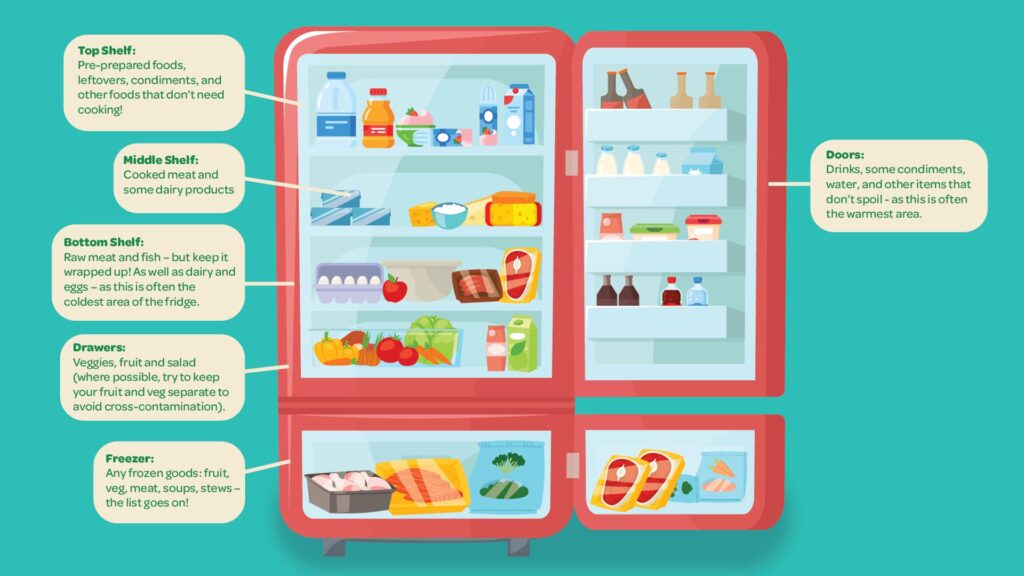
For our health, it’s essential to store food correctly, which means it’s not just about respecting the expiration dates of various foods. To properly conserve food, we need to follow basic rules of good sense and less obvious guidelines that involve containers used for storing food, refrigerators, freezers, cooking materials (which are usually where food is stored), and decorating products.
What Not to Do: Common Mistakes in Food Storage
Let’s start with what not to do. Adhesive films can contain DEHA plasticizers that can be absorbed when they come into contact with warm food or when the plasticizer itself heats up because it may be covering a hot dish. Similarly, thermoplastic containers can release gases, and the risk increases with the temperature of the content.
Pesticides and fungicides contained in paints, wallpapers, and insecticides also come into contact with food and can be absorbed. Paper products have been treated with chemicals like diossin, and porous surfaces and cracks can contaminate food. Just this should make it clear that storing food in a way that makes it non-toxic to our health is not an easy task.
The perils of food storage are everywhere: unrefrigerated food can generate bacteria, uncovered food can be contaminated by harmful insects. Raw food that comes into contact with cooked food is also hazardous for health (pay attention to positions in the fridge), and the same goes for frozen and then re-frozen food. Let’s not forget that pesticide residues, hormones, and preservatives are sources of pollution, and since some foods contain them, adding more would be too much.
Some common mistakes people make when it comes to food storage include:
- Not storing raw meat at the bottom of the refrigerator to prevent cross-contamination with other foods.
- Leaving perishable foods out for extended periods without refrigeration.
- Using plastic containers in the fridge or freezer due to convenience, despite potential chemical leaching risks.
- Storing food in areas that are prone to moisture, such as near a window or on a countertop.
- Not cleaning and sanitizing surfaces regularly, leading to bacterial growth and contamination.
What to Do: Tips for Proper Food Storage
Let’s focus on what to do instead. Choose containers made of glass, ceramic, or stainless steel over thermoplastics, even if they seem less comfortable. Opt for non-toxic papers and colors (meaning also avoid paper filters for tea and coffee packaging). Use natural food preparation methods to keep insects away from the kitchen and cover gaps with screens or install zanzariers at windows to prevent them from entering.
Seal cracks and keep surfaces clean and dry. Store food in a clean and well-organized pantry or a cool, dry cellar, use refrigerators and freezers for perishable items without forgetting that even frozen foods have a limited shelf life: the instructions on your fridge and freezer explicitly state the recommended storage time for each type of food. Choose a good appliance, preferably class A, to save electricity and pollute less.
Some additional tips for proper food storage include:
- Labeling containers with the date you stored them can help ensure you use older items first.
- Keeping frequently used foods at eye level or near the front of the pantry can streamline your shopping trips and reduce waste.
- Storing bulk quantities of non-perishable items in airtight containers to maintain freshness and prevent pest infestations.
- Using vacuum sealers or ziplock bags to remove air from storage containers, which can help prevent spoilage and preserve food quality.
The Importance of Kitchen Environment
Quality matters in the kitchen environment when it comes to proper food storage. When it comes to countertops, remember that solvents present in some laminates and plastic surfaces can release toxic vapors. Opt for ceramic tiles, solid wood, stainless steel, ardesia, or granite instead.
When it comes to kitchen furniture, keep in mind that composite materials with finishes like varnish or varnishing often contain formaldehyde, which can contaminate food. Solid wood pieces with traditional joints and natural adhesives are safer choices. Metal cabinets also don’t harm food storage.
Some key considerations for creating a safe and healthy kitchen environment include:
- Choosing countertops that are resistant to heat and moisture.
- Selecting furniture materials that are free from toxic chemicals.
- Maintaining good ventilation in the kitchen to prevent the buildup of cooking fumes.
- Cleaning and sanitizing surfaces regularly to prevent bacterial growth.
Conclusion
Properly storing food is crucial for our health. It requires a combination of caution and attention to detail, as well as a solid understanding of the risks involved. By following these tips and being mindful of our kitchen environment, we can ensure that the food we eat is safe, nutritious, and free from contaminants.
Frequently Asked Questions
-
Q: What foods should I prioritize when it comes to proper storage?
A: All perishable foods require refrigeration or freezing to prevent spoilage and foodborne illnesses. -
Q: How often should I clean my kitchen and appliances?
A: Regularly cleaning your kitchen, especially surfaces that come into contact with food, is crucial for preventing bacterial growth and contamination. -
Q: Can I use plastic containers in the fridge or freezer?
A: It’s not recommended to store food in plastic containers at high temperatures due to potential chemical leaching. -
Q: How can I prevent pests from getting into my kitchen?
A: Using natural deterrents, sealing gaps and cracks, and regularly cleaning your kitchen can help keep pests away. -
Q: What’s the best way to store raw meat and dairy products?
A: Store these items at the bottom of the refrigerator to prevent cross-contamination with other foods. -
Q: Can I use a shared fridge or freezer for multiple households?
A: It’s not recommended, as this increases the risk of contamination and foodborne illnesses. -
Q: How long can I store cooked leftovers in the fridge or freezer?
A: Cooked leftovers should be refrigerated within two hours of cooking and frozen within three to four days for optimal storage. -
Q: What are some common contaminants that affect food quality?
A: Contaminants such as bacteria, pesticides, heavy metals, and other pollutants can negatively impact the quality and safety of your food. -
Q: Can I store raw eggs in the fridge at room temperature?
A: No, it’s recommended to store raw eggs in the refrigerator at a consistent temperature below 40°F (4°C) to prevent bacterial growth. -
Q: How do I know if my food is spoiled?
A: Check your food regularly for signs of spoilage such as off odors, slimy texture, or mold growth. If in doubt, err on the side of caution and discard the item.


