
Introduction
As the world shifts towards a more sustainable future, renewable energy sources are becoming increasingly important. One innovative approach to harnessing solar power is through biological solar cells, which integrate proteins that mimic those found in nature. In this article, we’ll delve into the world of biological solar cells, exploring their potential, current limitations, and the latest advancements in the field.
What are Biological Solar Cells?
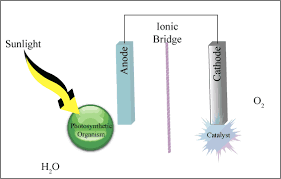
Biological solar cells are a type of photovoltaic technology that incorporates proteins similar to those found in photosynthesis. These cells have gained significant attention from researchers, who aim to improve their efficiency and scalability for commercial use. While still in its infancy, biological solar cell research has made notable progress, with recent breakthroughs promising a more sustainable future.
Distinguishing Between Biological Solar Cells and Organic Solar Cells
It’s essential to differentiate between biological solar cells and organic solar cells, as the terms can be confusing. Organic solar cells rely on carbon-based materials that are transparent, making them suitable for building-integrated photovoltaics (BIPV). In contrast, biological solar cells integrate proteins that mimic natural photosynthesis, offering a unique approach to harnessing solar energy.
The Current State of Biological Solar Cells
Despite significant progress, biological solar cells are still far from commercialization. The primary challenge lies in their low efficiency, which is currently only a fraction of that achieved by conventional silicon-based solar cells. To put this into perspective, a thin film on the surface of a paper clip could power a calculator, but the same technology would require a module as large as New York State to generate sufficient electricity.
A Breakthrough in Biological Solar Cell Technology
Recent research by engineers at Binghamton University has led to a significant improvement in biological solar cell efficiency. The team’s work, spearheaded by engineer Seokheun Choi, has resulted in a substantial increase in efficiency, approximately 1 million times greater than previous versions. This achievement paves the way for more practical applications of biological solar cells.
Miniaturized Biological Solar Cells: A Step Towards Practicality
The latest advancements in biological solar cell technology have led to the development of miniaturized devices, which could pave the way for a new generation of bio-based photovoltaics. These miniaturized solar cells can harness energy from sunlight using photosynthesis-inspired proteins, even when light is scarce.
Biological Solar Cells: A New Perspective on Photosynthesis
Biological solar cells have sparked interest in researchers due to their potential to mimic natural photosynthesis. By incorporating proteins that mimic the process of photosynthesis, these cells could potentially capture more energy from sunlight than conventional photovoltaic technologies. This approach has significant implications for the field of renewable energy, as it may provide a new and sustainable way to generate power.
The Role of Biological Solar Cells in Mitigating Climate Change
Climate change is one of the most pressing issues of our time, with rising temperatures and extreme weather events affecting ecosystems worldwide. Biological solar cells could play a significant role in mitigating climate change by providing a new source of renewable energy. By harnessing energy from sunlight using proteins that mimic natural photosynthesis, these cells could help reduce our reliance on fossil fuels and decrease greenhouse gas emissions.
Challenges and Limitations of Biological Solar Cells
While biological solar cells show great promise, there are still several challenges and limitations that need to be addressed before they can become commercially viable. These include:
- Efficiency: Biological solar cells currently have low efficiency rates compared to conventional photovoltaic technologies.
- Scalability: The scalability of biological solar cells is a significant challenge, as they require large amounts of biomass to produce electricity.
- Cost-effectiveness: The cost of producing biological solar cells is still high, making them less competitive with traditional renewable energy sources.
Conclusion
Biological solar cells represent an exciting and rapidly evolving field in renewable energy research. While still in its early stages, this technology holds promise for a more sustainable future. As researchers continue to push the boundaries of what is possible with biological solar cells, we may see a new era of innovation emerge, driving us towards a cleaner, greener world.
Frequently Asked Questions
- What are the main challenges facing the commercialization of biological solar cells?
Biological solar cells face significant challenges in terms of efficiency, scalability, and cost-effectiveness. Researchers must continue to improve these aspects before they can become commercially viable. - How do biological solar cells differ from organic solar cells?
Biological solar cells integrate proteins that mimic natural photosynthesis, while organic solar cells rely on carbon-based materials that are transparent. - What is the current state of biological solar cell research?
Recent breakthroughs have led to significant improvements in efficiency and scalability, paving the way for more practical applications. - Can biological solar cells be miniaturized?
Yes, recent advancements have led to the development of miniaturized devices that can harness energy from sunlight using photosynthesis-inspired proteins. - What are the potential benefits of biological solar cells?
Biological solar cells could offer a new and sustainable approach to renewable energy, reducing our reliance on fossil fuels and contributing to a cleaner environment. - How do biological solar cells work?
Biological solar cells use proteins that mimic natural photosynthesis to harness energy from sunlight. - What are the limitations of biological solar cells?
Biological solar cells currently face significant challenges in terms of efficiency, scalability, and cost-effectiveness. - Can biological solar cells be used for power generation?
Yes, researchers believe that biological solar cells could be used for power generation in the future, but more research is needed to achieve commercial viability.
The Future of Biological Solar Cells: A Bright Horizon
As researchers continue to push the boundaries of what is possible with biological solar cells, we can expect significant advancements in this field. The potential benefits of biological solar cells are vast, from reducing our reliance on fossil fuels to contributing to a cleaner environment. While there are still challenges and limitations to be addressed, the future of renewable energy looks bright, and biological solar cells could play a significant role in shaping it.
Biological Solar Cells: A New Frontier in Renewable Energy
The integration of proteins that mimic natural photosynthesis into photovoltaic technology represents a new frontier in renewable energy. Biological solar cells have sparked interest among researchers due to their potential to capture more energy from sunlight than conventional photovoltaic technologies. This approach has significant implications for the field of renewable energy, as it may provide a new and sustainable way to generate power.
The Role of Biological Solar Cells in Shaping the Future
Biological solar cells could play a significant role in shaping the future of renewable energy. By harnessing energy from sunlight using proteins that mimic natural photosynthesis, these cells could help reduce our reliance on fossil fuels and decrease greenhouse gas emissions. As researchers continue to push the boundaries of what is possible with biological solar cells, we can expect significant advancements in this field.
Conclusion
Biological solar cells represent an exciting and rapidly evolving field in renewable energy research. While still in its early stages, this technology holds promise for a more sustainable future. As researchers continue to push the boundaries of what is possible with biological solar cells, we may see a new era of innovation emerge, driving us towards a cleaner, greener world.
The Future of Renewable Energy: A Bright Horizon
As we move forward in our quest for a more sustainable future, renewable energy sources are becoming increasingly important. One innovative approach to harnessing solar power is through biological solar cells, which integrate proteins that mimic those found in nature. The potential benefits of biological solar cells are vast, from reducing our reliance on fossil fuels to contributing to a cleaner environment.
Biological Solar Cells: A New Perspective on Photosynthesis
Biological solar cells have sparked interest among researchers due to their potential to capture more energy from sunlight than conventional photovoltaic technologies. By incorporating proteins that mimic the process of photosynthesis, these cells could potentially harness energy from sunlight using natural photosynthesis-inspired proteins.
The Role of Biological Solar Cells in Mitigating Climate Change
Climate change is one of the most pressing issues of our time, with rising temperatures and extreme weather events affecting ecosystems worldwide. Biological solar cells could play a significant role in mitigating climate change by providing a new source of renewable energy. By harnessing energy from sunlight using proteins that mimic natural photosynthesis, these cells could help reduce our reliance on fossil fuels and decrease greenhouse gas emissions.
Challenges and Limitations of Biological Solar Cells
While biological solar cells show great promise, there are still several challenges and limitations that need to be addressed before they can become commercially viable. These include:
- Efficiency: Biological solar cells currently have low efficiency rates compared to conventional photovoltaic technologies.
- Scalability: The scalability of biological solar cells is a significant challenge, as they require large amounts of biomass to produce electricity.
- Cost-effectiveness: The cost of producing biological solar cells is still high, making them less competitive with traditional renewable energy sources.
The Future of Biological Solar Cells: A Bright Horizon
As researchers continue to push the boundaries of what is possible with biological solar cells, we can expect significant advancements in this field. The potential benefits of biological solar cells are vast, from reducing our reliance on fossil fuels to contributing to a cleaner environment. While there are still challenges and limitations to be addressed, the future of renewable energy looks bright, and biological solar cells could play a significant role in shaping it.
Biological Solar Cells: A New Frontier in Renewable Energy
The integration of proteins that mimic natural photosynthesis into photovoltaic technology represents a new frontier in renewable energy. Biological solar cells have sparked interest among researchers due to their potential to capture more energy from sunlight than conventional photovoltaic technologies. This approach has significant implications for the field of renewable energy, as it may provide a new and sustainable way to generate power.
**The Role of Biological Solar Cells in Shaping


