
The Lesser-Known Grains: Unlocking their Nutritional Potential
Introduction
In recent years, the importance of nutrition has become a topic of increasing concern for many individuals and organizations. The traditional focus on wheat, rice, and other staple grains has led some researchers to explore alternative options that offer improved nutritional profiles and unique culinary properties.
This article will delve into the lesser-known grains, highlighting their nutritional benefits, culinary uses, and potential applications in various industries such as food, agriculture, and pharmaceuticals.
What are the Lesser-Known Grains?
The term “lesser-known grains” refers to a diverse array of plant-based foods that have been overlooked or underappreciated in mainstream diets. These grains include:
- Orzo: An ancient grain from the Mediterranean region, known for its chewy texture and nutty flavor.
- Segale (Rye): A hardy, nutrient-rich grain commonly used in bread-making and brewing.
- Avena (Oats): A versatile grain high in fiber, protein, and various minerals, often consumed as oatmeal or added to baked goods.
- Miglio (Millet): An ancient cereal grain rich in protein, fiber, and minerals, widely cultivated in Africa and Asia.
Incorporating Lesser-Known Grains into Your Diet
These grains can be incorporated into various aspects of your diet, including:
- Breakfast: Try adding orzo to oatmeal, or serving avena as a side dish.
- Snacking: Enjoy miglio-based snacks like energy bars or trail mix.
- Baking: Use segale in place of wheat flour for healthier baked goods.
Nutritional Benefits
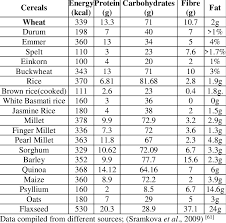
The lesser-known grains offer a wealth of nutritional benefits, including:
- Higher fiber content: Compared to traditional grains, these options provide more fiber and satiety.
- Improved protein quality: Avena, for instance, contains all nine essential amino acids found in animal-based proteins.
- Rich mineral profiles: Orzo, segale, and miglio are each high in minerals like iron, calcium, and zinc.
Potential Applications
The nutritional benefits of lesser-known grains make them an attractive option for various industries:
- Food production: Companies may incorporate these grains into their products to enhance nutritional value.
- Agriculture: Developing sustainable cultivation practices for these grains can help combat climate change.
- Pharmaceuticals: Researchers are exploring the potential of lesser-known grains as novel sources of medicinal compounds.
Conclusion
The lesser-known grains offer a wealth of nutritional benefits and culinary possibilities, making them an exciting addition to your diet or industry applications. By embracing these alternative options, we can work towards creating a more sustainable and nutritious food system for all.
FAQs
- Are lesser-known grains easily accessible?
Availability may vary depending on location, but many of these grains are becoming increasingly available through specialty stores and online retailers. - Can I substitute lesser-known grains for traditional grains in recipes?
While some substitution is possible, results may vary due to differences in texture, flavor, and nutritional content.
Additional Resources
For further learning and inspiration, explore the following resources:
- Books on lesser-known grains: Check out cookbooks or online resources dedicated to these grains for recipes and tips.
- Cooking classes: Look for cooking classes or workshops focused on lesser-known grains for hands-on training and guidance.
- Online communities: Join online forums or social media groups dedicated to lesser-known grains to connect with like-minded individuals and share knowledge.
In conclusion, the lesser-known grains are a treasure trove of nutritional benefits and culinary possibilities. By incorporating these grains into your diet or exploring their potential in various industries, we can work towards creating a more sustainable and nutritious food system for all.


