
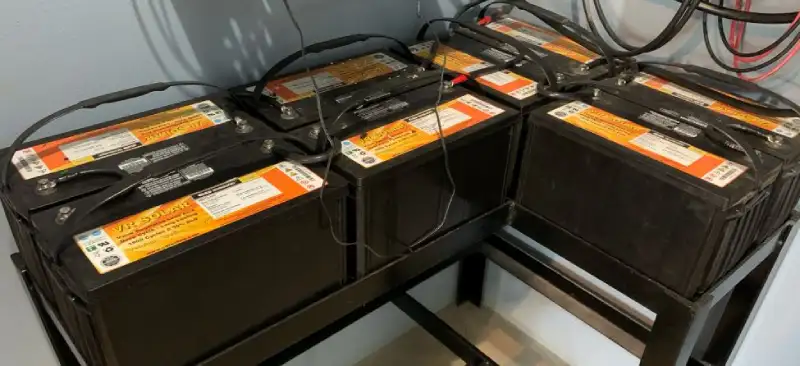
Understanding Batteries for Solar Power Systems
As the world shifts towards renewable energy sources, solar power systems are becoming increasingly popular. However, one crucial component that completes the setup is a battery storage system. In this article, we’ll delve into the world of batteries for solar power systems, exploring their types, benefits, and costs.
What are Batteries for Solar Power Systems?
Batteries for solar power systems are designed to store excess energy generated by the solar panels during the day and release it at night or during periods of low sunlight. This allows homeowners and businesses to reduce their reliance on the grid and enjoy a more stable energy supply.
Key Characteristics of Batteries for Solar Power Systems
When selecting a battery storage system, there are several key characteristics to consider:
- Efficiency: The ability of the battery to convert DC power from the solar panels into usable AC power for your home or business.
- Capacity: The amount of energy stored by the battery, measured in kilowatt-hours (kWh).
- Depth of discharge (DOD): The percentage of the battery’s capacity that can be safely used without reducing its lifespan.
- Cycle life: The number of charge and discharge cycles the battery can handle before its capacity starts to degrade.
Types of Batteries for Solar Power Systems
There are several types of batteries available for solar power systems, each with its own strengths and weaknesses:
1. Lead-Acid Batteries
- Economical option
- Good for small-scale applications
- Shorter lifespan (5-7 years)
- Lower efficiency
2. Lithium-Ion (Li-ion) Batteries
- High energy density
- Long lifespan (10-15 years)
- Higher upfront cost
- Higher maintenance requirements
3. Nickel-Metal Hydride (NiMH) Batteries
- Good balance between cost and performance
- Lower upfront cost compared to Li-ion batteries
- Shorter lifespan (5-7 years)
4. Zinc-Bromide Batteries
- High energy density
- Long lifespan (10-15 years)
- Higher maintenance requirements
Benefits of Batteries for Solar Power Systems
Batteries for solar power systems offer several benefits, including:
- Energy independence: Store excess energy generated by the solar panels and use it when needed.
- Reduced grid reliance: Decrease your dependence on the grid and enjoy a more stable energy supply.
- Cost savings: Reduce your energy bills by using stored energy during peak hours.
Calculating Your Battery Needs
To determine how much battery capacity you need, consider the following factors:
- Your daily energy usage: Calculate your average daily energy consumption in kWh.
- Excess energy generation: Consider the amount of excess energy generated by your solar panels each day.
- Backup power needs: Think about any backup power requirements, such as during extended periods of low sunlight or grid outages.
Batteries for Solar Power Systems: Pricing and Incentives
The cost of batteries for solar power systems can vary widely depending on the type, capacity, and quality of the battery. However, there are also various incentives available to help offset the upfront costs, such as:
- Federal tax credits: Claim a tax credit of up to 30% of the total installation cost.
- State and local rebates: Receive additional rebates and incentives from your state and local government.
Comparison of Battery Types
| Battery Type | Efficiency | Capacity | DOD | Cycle Life |
|---|---|---|---|---|
| Lead-Acid | 70-80% | 10-20 kWh | 50-60% | 300-500 cycles |
| Lithium-Ion (Li-ion) | 90-95% | 40-100 kWh | 70-80% | 1,000-2,000 cycles |
| Nickel-Metal Hydride (NiMH) | 80-90% | 20-50 kWh | 60-70% | 500-800 cycles |
| Zinc-Bromide | 95-98% | 30-100 kWh | 75-85% | 1,500-3,000 cycles |
Factors to Consider When Selecting a Battery
When selecting a battery for your solar power system, consider the following factors:
- Efficiency: Choose a battery with high efficiency to minimize energy losses.
- Capacity: Ensure the battery has sufficient capacity to meet your energy needs.
- DOD: Select a battery with a suitable depth of discharge to extend its lifespan.
- Cycle life: Opt for a battery with a long cycle life to ensure it can handle repeated charge and discharge cycles.
Conclusion
Batteries for solar power systems are an essential component of a renewable energy system. By understanding the different types, benefits, and costs associated with batteries, you can make informed decisions about your energy storage needs. Whether you’re looking to reduce your reliance on the grid or simply save money on your energy bills, batteries for solar power systems are worth considering.
Frequently Asked Questions (FAQs)
1. What is the average lifespan of a battery for solar power systems?
- The average lifespan of a battery for solar power systems varies depending on the type and quality of the battery, but most batteries last between 8-12 years.
2. How much energy can I expect to save with a battery for solar power systems?
- The amount of energy you can expect to save with a battery for solar power systems depends on your daily energy usage, excess energy generation, and backup power needs. However, with proper installation and maintenance, batteries can help reduce your energy bills by up to 50%.
3. What are the benefits of using lithium-ion (Li-ion) batteries for solar power systems?
- Li-ion batteries offer high energy density, long lifespan, and high efficiency compared to other types of batteries.
4. Can I install a battery for solar power systems myself?
- While it’s possible to install a battery for solar power systems yourself, it’s recommended to hire a professional installer who has experience with solar power systems and battery installations.
5. Are there any incentives available for installing batteries for solar power systems?
- Yes, there are various incentives available for installing batteries for solar power systems, including federal tax credits, state and local rebates, and energy savings through reduced energy bills.


