
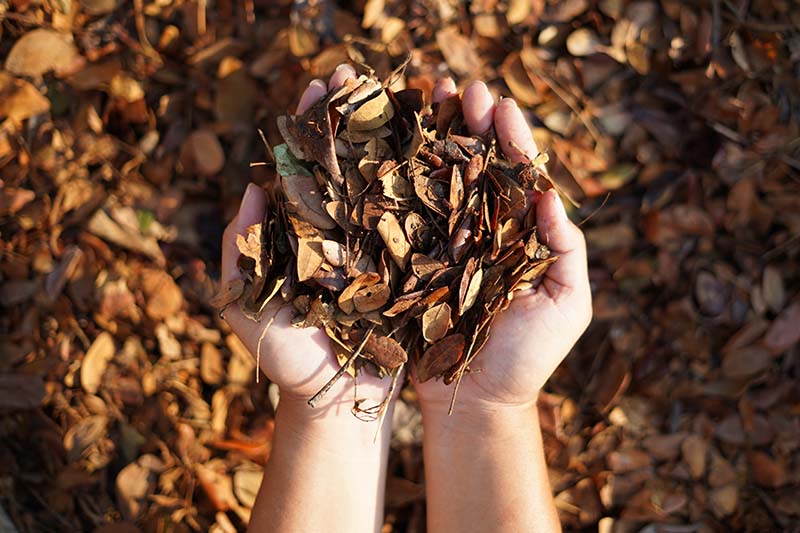
As the next autumn approaches, leaves will start falling from trees, presenting a daunting task to gather them. However, these dry leaves can be an excellent resource in agriculture. They can be used as natural mulch or added to homemade compost. In this article, we’ll explore how to use dry leaves to make a nutrient-rich compost for your garden.
Why Use Dry Leaves for Composting?
Unlike fresh leaves, which are rich in nitrogen and moisture, dry leaves contain lignin, a substance that can hinder the composting process if added in excess. However, when used in moderation, they can provide essential structure to the compost pile. Moreover, dry leaves can be easily collected and stored throughout the year, making them an ideal addition to your compost pile.
Using Dry Leaves for Mulch
In addition to composting, dry leaves have been traditionally used as mulch by gardeners. They help soften tree bark and protect the roots of plants, especially flowers and ornamental trees.
Dry leaves can also be used as a natural weed barrier, preventing weeds from growing in your garden. This is particularly useful for newly planted areas or gardens with poor soil quality. Furthermore, dry leaves can help retain moisture in the soil, reducing the need for frequent watering.
Choosing the Right Leaves for Composting
Not all leaves are suitable for composting. Certain types, such as magnolia and oleander leaves, should be avoided due to their toxic properties. On the other hand, leaves from deciduous trees like oak, maple, and elm can be added to your compost pile.
Deciduous trees tend to produce more nitrogen-rich leaves than coniferous trees, making them ideal for composting. Additionally, leaves from these trees are often free of pesticides and herbicides, reducing the risk of contamination in your compost.
Materials Needed for Composting
Composting involves mixing organic materials, including food waste and yard trimmings. There are two main categories: high-nitrogen materials and high-lignin materials.
High-Nitrogen Materials:
- Fresh leaves (green)
- Fruits
- Vegetable scraps
- Herbaceous stems
- Wild herbs
- Lawn clippings
- Cooked food scraps
These materials are rich in nitrogen, a key component of compost. However, they can also be high in moisture content, which may lead to anaerobic conditions and unpleasant odors.
High-Lignin Materials:
- Hay
- Dry leaves
- Wood chips or shavings
- Small twigs and branches
These materials contain lignin, a substance that can inhibit microbial activity if present in excess. However, when balanced with nitrogen-rich materials, they provide essential structure to the compost pile.
The Importance of Sizing
When adding dry leaves to your compost pile, it’s essential to chop them into small pieces. This will help ensure even decomposition and prevent matting.
For coniferous trees like pine, spruce, and fir, it’s crucial to grind the leaves into fine particles to facilitate decomposition. Coniferous needles can be particularly challenging for microorganisms to break down, so grinding them into smaller pieces helps speed up the process.
Adding Dry Leaves to Your Compost Pile
When adding dry leaves to your compost pile, follow these guidelines:
- Add a mix of high-nitrogen and high-lignin materials.
- Maintain an optimal carbon-to-nitrogen ratio (25/1).
- Monitor moisture levels and ensure the pile is not too wet or dry.
Aim for a mix that is 20% high-lignin materials to 80% high-nitrogen materials. This balance will provide essential structure while allowing microorganisms to thrive.
Why Avoid Excessive Dry Leaves?
Adding too many dry leaves to your compost pile can hinder the decomposition process. Lignin can inhibit microbial activity, leading to poor compost quality. To avoid this, limit the proportion of dry leaves in your compost pile to 20%.
Over-reliance on dry leaves can also lead to an imbalance in carbon and nitrogen levels, causing anaerobic conditions and unpleasant odors.
Preparing a Compost Pile with Only Leaves
If you don’t have time to mix all your organic materials or lack space for a full compost pile, consider creating a leaf-only compost pile. This method involves layering leaves and soil alternately, adding nitrogen-rich materials like manure or coffee grounds as needed.
To create a successful leaf-only compost pile:
- Start by collecting dry leaves in large quantities.
- Mix in some nitrogen-rich materials to provide essential nutrients.
- Create layers of alternating leaves and soil, ending with a thin layer of soil on top.
- Monitor moisture levels and turn the pile regularly to maintain optimal conditions.
Composting with Worms
Worm composting is an excellent way to use dry leaves as a nutrient-rich fertilizer for your garden. Red wiggler worms are well-suited for breaking down organic matter, including dry leaves.
To create a worm compost bin:
- Purchase a suitable container or build one using wooden pallets.
- Add a mix of red wiggler worms and nitrogen-rich materials like food scraps and manure.
- Incorporate dry leaves into the mix, taking care to balance the carbon-to-nitrogen ratio.
- Maintain optimal moisture levels and turn the bin regularly to ensure healthy worm populations.
Conclusion
Dry leaves can be an excellent addition to your compost pile when used in moderation. By understanding the importance of balancing high-nitrogen and high-lignin materials, you can create a nutrient-rich compost for your garden. Whether you choose to mulch with dry leaves or add them to your compost pile, this natural resource will benefit your plants and the environment.
Frequently Asked Questions
Q: Can I use all types of leaves for composting?
A: No, some leaves, like magnolia and oleander, are toxic and should be avoided.
Q: How often should I turn my compost pile?
A: Regular turning (every 1-2 weeks) will help maintain optimal moisture levels and prevent matting.
Q: Can I use dry leaves as a standalone mulch?
A: Yes, but it’s essential to mix in some nitrogen-rich materials to ensure adequate decomposition.
Q: How long does it take for compost to mature?
A: The maturity time depends on factors like temperature, moisture, and carbon-to-nitrogen ratio. Generally, it takes 3-6 months for compost to be ready.
Q: Can I add dry leaves to a worm composting bin?
A: Yes, but make sure to balance the carbon-to-nitrogen ratio and maintain adequate moisture levels.
Q: How can I store dry leaves for future use?
A: Dry leaves can be stored in airtight containers or bags to keep them fresh throughout the year.


