
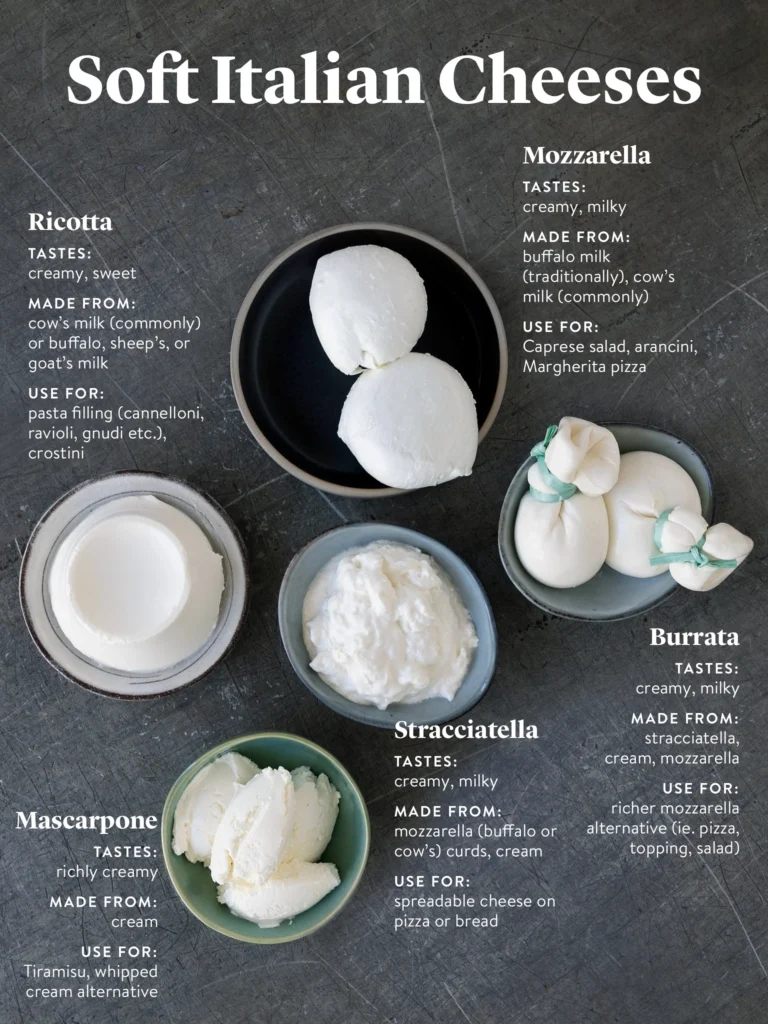
When it comes to Italian cuisine, few aspects are as beloved as the rich variety of cheeses available. From creamy soft-ripened cheeses to aged, nutty granitas, each type offers a unique flavor profile that can elevate your dining experience. In this article, we’ll explore the different types of Italian cheese, their characteristics, and pairing suggestions with wine.
Hard Grana: Aged Cheeses
Let’s start with the first Italian cheese, the Gran, specifically the Grana Padano Dop. This aged cheese is a staple in Italian cuisine, with a rich, nutty flavor that pairs well with a variety of wines. Another hard granita worth mentioning is the Lodigiano, which is known for its intense flavor and hint of saffron.
However, when discussing Grana Padano, it’s essential to compare it to another famous aged cheese, Parmigiano Reggiano. While both cheeses share some similarities, they also have distinct differences in terms of flavor and texture. For example, Grana Padano has a milder, more delicate taste compared to the sharp, nutty flavor of Parmigiano Reggiano.
Parmigiano Reggiano is often referred to as the “King of Cheeses” due to its high quality and rich history. Produced in the Parma and Reggio regions, this cheese is aged for a minimum of 12 months and can be stored for up to two years. When selecting a Parmigiano Reggiano, look for the Dop designation, which guarantees that the cheese meets specific standards.
Soft Stracchini: Fresh Cheeses
Next up are the soft cheeses known as stracchini. This family of cheeses includes a wide range of varieties with different characteristics. One of the most widely available stracchini is the Taleggio Dop from the Val Taleggio region. Known for its sweet and slightly acidic aroma, this cheese has a distinctive crust that gives it an added layer of flavor.
Other popular soft cheeses include the Quartirolo Lombardo Dop, Salva Cremasco Dop, Crescenza, Starchitunt Dop, and Gorgonzola Fop. The latter is an ancestor of the erborinated cheeses, born in the 12th century with the name Stracchino di Gorgonzola.
Goat Cheese: Soft-Ripened and Hard
In addition to Italian cheese made from cow’s milk, there is also a variety of goat cheese available. The flavor of goat cheese from raw milk is delicate and slightly acidic, making it an excellent choice for those looking for a lighter option. However, be cautious, as some “goat cheese” on the market may actually be made from cow’s milk.
Among the goats cheeses are notable mentions such as Fatulì, Frumagit di Curiglia, Stàel della Valle Camonica, and Formaggella delle Luinese Dop, a protected denomination for goat cheese made with raw milk. The goat cheese of Cilento can be found fresh or aged, ranging from soft to hard paste.
Pairing Wine with Cheese
With the vast array of Italian cheeses comes an equally impressive selection of wine pairings. In general, young, fresh cheeses like stracchino, crescenza, and Quartirolo Lombardo can be paired with sparkling wines. For those looking for a more sophisticated option, consider pairing Taleggio or Salva Cremasco with Franciacorta or Brescian wine.
Hard cheeses such as grana or Provolone (like the Campano Provolone del Monaco DOP) can be paired with a wide range of red wines. And when it comes to Gorgonzola, sweet wines like Moscato are a perfect match.
Here are some specific pairing suggestions:
- Taleggio and Moscato: A classic combination that pairs the creamy texture of Taleggio with the sweetness of Moscato.
- Salva Cremasco and Franciacorta: The crisp acidity of Franciacorta complements the rich, creamy flavor of Salva Cremasco.
- Gorgonzola and Moscato: Sweet and savory, this pairing is a perfect match for those looking for a unique combination.
Conclusion
The world of Italian cheese is vast and varied, offering something for every palate and occasion. By understanding the different types of Italian cheese, their characteristics, and pairing suggestions with wine, you can elevate your dining experience and explore the rich flavors of Italy. Whether you’re a seasoned foodie or just starting to explore the world of Italian cuisine, we hope this guide has provided you with a solid foundation for discovering new cheeses and wines.
Frequently Asked Questions
- What is the difference between Grana Padano Dop and Parmigiano Reggiano?
While both cheeses are aged granitas, they have distinct differences in terms of flavor and texture. - Can I use goat cheese with raw milk for cooking?
Yes, many types of goat cheese can be used in cooking, but it’s essential to choose a type that is suitable for cooking, such as the Formaggella delle Luinese Dop. - What are some popular soft cheeses for pairing with wine?
Taleggio, Salva Cremasco, and Quartirolo Lombardo are excellent options for pairing with sparkling wines or Franciacorta. - Can I pair Gorgonzola with red wine?
While Gorgonzola is often paired with sweet wines like Moscato, it can also be paired with a range of red wines. - How do I choose the right type of Italian cheese for my dish?
Consider factors such as flavor profile, texture, and intended use when selecting an Italian cheese for your recipe. - What are some popular Italian cheeses for snacking?
Stracchini like Taleggio Dop and Gorgonzola Fop make excellent snacks due to their creamy texture and rich flavors. - Can I make my own Italian cheese at home?
Yes, with the right equipment and ingredients, you can create your own Italian cheese at home, such as mozzarella or ricotta. - What are some essential Italian cheeses for any foodie’s pantry?
Parmigiano Reggiano, Mozzarella, and Gorgonzola are three must-have cheeses for any Italian food enthusiast.
We hope this guide has provided you with a solid foundation for exploring the world of Italian cheese! With its rich history, diverse flavors, and pairing possibilities, Italian cheese is sure to become your new favorite addition to your culinary adventures.


