
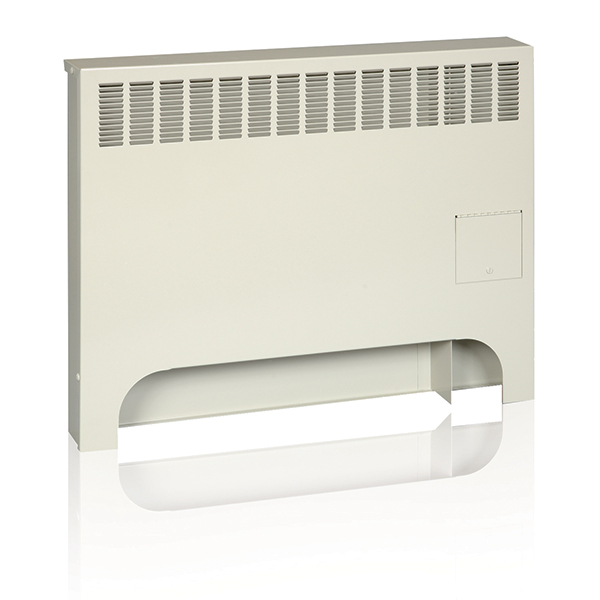
Water-based heat exchangers are a type of heating system that uses water as the medium to transfer heat. They are widely used in various types of heating systems, including radiators, fan coil heaters, and hot water heat exchangers.
What are Water-Based Heat Exchangers?
Water-based heat exchangers are designed to utilize the natural convection properties of water to transfer heat. This approach provides several benefits, including:
- Efficiency: Water-based heat exchangers can be more energy-efficient than traditional heating systems.
- Compactness: These systems often require less space and can be integrated into walls or floors for a more discreet look.
- Easy Installation: Water-based heat exchangers can be installed with minimal disruption to the surrounding environment.
Types of Water-Based Heat Exchangers
There are several types of water-based heat exchangers, each offering unique benefits and applications:
- Radiators: Radiators are one of the most widely used types of water-based heat exchangers. They are designed to distribute heat evenly throughout a room or building and are often used in conjunction with thermostatic valves to regulate temperature.
- Fan Coil Heat Exchangers: Fan coil heat exchangers use a ventilator to force air through wing-shaped elements, creating a forced convection mechanism.
- Hot Water Heat Exchangers: Hot water heat exchangers offer several advantages over traditional radiator-based systems, including:
- Smaller energetic inertia, which means they require less energy to maintain a consistent temperature.
- Lower installation costs and the ability to integrate into walls or floors for a more discreet look.
- Mobile Heat Exchangers: These can be moved from one location to another, making them ideal for temporary or seasonal heating needs.
- Wall-Mounted Heat Exchangers: These are mounted directly on a wall and provide a sleek, compact solution for heating.
Key Considerations When Choosing a Water-Based Heat Exchanger
When selecting a water-based heat exchanger, there are several factors to consider:
- Dimensioning: Ensure that the system is properly sized for your specific heating needs.
- Water Supply Temperature: Lower supply water temperatures can increase efficiency and reduce costs, but may also increase the size of the apparatus.
- Installation Type: Consider the type of installation you need, such as wall-mounted or floor-mounted.
Radiators: The Most Popular Type of Water-Based Heat Exchanger
Radiators are one of the most widely used types of water-based heat exchangers. They are designed to distribute heat evenly throughout a room or building and are often used in conjunction with thermostatic valves to regulate temperature.
How Radiators Work
Radiators work by circulating hot water through a network of pipes and radiating it into the surrounding air. This process is facilitated by:
- Natural Convection: The heat from the radiator causes the air to rise, creating a circulation of air that helps to distribute the warmth.
- Radiation: The heated water radiates energy onto the surrounding objects, warming them up.
Benefits of Radiators
Radiators offer several benefits, including:
- Efficiency: Radiators can be more efficient than traditional heating systems, especially when used in conjunction with thermostatic valves.
- Comfort: Radiators provide a consistent and comfortable temperature throughout the room or building.
- Design Flexibility: Radiators can be designed to fit various spaces and styles.
Fan Coil Heaters: A Comparison
Fan coil heaters are another type of water-based heat exchanger that uses a ventilator to force air through wing-shaped elements. While they offer several benefits, such as being able to provide both heating and cooling, they also have some drawbacks, including:
- Condensation: Fan coil heaters can produce condensation, which may require additional maintenance.
- Noise: The ventilator used in fan coil heaters can be noisy.
- Maintenance Needs: Fan coil heaters require more frequent cleaning and maintenance than other types of water-based heat exchangers.
Hot Water Heat Exchangers: A More Efficient Alternative
Hot water heat exchangers offer several advantages over traditional radiator-based systems, including:
- Smaller Energetic Inertia, which means they require less energy to maintain a consistent temperature.
- Lower Installation Costs and the ability to integrate into walls or floors for a more discreet look.
How Hot Water Heat Exchangers Work
Hot water heat exchangers work by circulating hot water through a network of pipes and radiating it into the surrounding air. This process is facilitated by:
- Natural Convection: The heat from the hot water causes the air to rise, creating a circulation of air that helps to distribute the warmth.
- Radiation: The heated water radiates energy onto the surrounding objects, warming them up.
Benefits of Hot Water Heat Exchangers
Hot water heat exchangers offer several benefits, including:
- Efficiency: Hot water heat exchangers can be more efficient than traditional heating systems.
- Comfort: Hot water heat exchangers provide a consistent and comfortable temperature throughout the room or building.
- Design Flexibility: Hot water heat exchangers can be designed to fit various spaces and styles.
Conclusion
In conclusion, water-based heat exchangers offer a range of benefits, including efficiency, compactness, and ease of integration into walls or floors. By understanding the different types of water-based heat exchangers available, including radiators, fan coil heaters, and hot water heat exchangers, you can make an informed decision when selecting a heating system for your needs.
Frequently Asked Questions
Q: What is the difference between a water-based heat exchanger and a radiator?
A: Water-based heat exchangers use water as the medium to transfer heat, while radiators rely on hot gases to warm up the air in a room. This results in different installation requirements, maintenance needs, and overall performance.
Q: Are fan coil heaters more efficient than water-based heat exchangers?
A: No, water-based heat exchangers are generally more efficient due to their natural convection mechanism, which reduces energy consumption and increases comfort levels.
Q: Can hot water heat exchangers be used for both heating and cooling?
A: Yes, hot water heat exchangers can provide both heating and cooling capabilities, making them a versatile solution for various applications.
Q: What are the potential drawbacks of using fan coil heaters?
A: Fan coil heaters can produce condensation, require more maintenance (disposing of a filter), and be generally louder due to the ventilator.
Q: How often should I maintain my water-based heat exchanger?
A: Regular cleaning and checking of your water-based heat exchanger are essential to ensure optimal performance and efficiency.


