
As we go about our daily lives, it’s easy to overlook the impact that fragrances have on our health and wellbeing. From perfume to cleaning products, artificial scents can be lurking in every corner, waiting to pounce on unsuspecting noses. But what exactly do these fragrances contain, and why should we care?
The Dark Side of Artificial Fragrances
In the 1990s, a growing awareness of the health risks associated with artificial fragrances led to the creation of “Fragrance Free Zones” in public spaces. These areas aim to protect individuals with allergies and sensitivities from the potential dangers of these chemical-laden scents. But even in these zones, it’s not uncommon for people to still be exposed to artificial fragrances through everyday products.
The ingredients used in artificial fragrances are often identical to those found in pesticides. When you read the labels on your favorite cleaning products or perfumes, take a closer look – you might be surprised at how many of them contain similar chemicals. This raises some important questions: what exactly do we know about these fragrances, and why should we care?
The Chemicals Behind Artificial Fragrances
Artificial fragrances are created by combining individual chemical compounds to mimic the scent of natural essential oils. However, this process can lead to the creation of complex mixtures that can be difficult to identify and analyze.
One of the most commonly used synthetic chemicals in artificial fragrances is phthalates. These substances have been linked to a range of health problems, including reproductive issues, hormone disruption, and even cancer.
The Benefits of Natural Fragrances
So, what’s the alternative to artificial fragrances? Enter natural fragrances, which are derived from plant extracts and essential oils. These scents not only offer a healthier option but also provide a more sustainable and environmentally-friendly alternative.
One of the most significant advantages of natural fragrances is their ability to promote better air quality. Unlike artificial fragrances, which can release potent chemicals into the air, natural fragrances tend to be gentler and less invasive. This makes them an excellent choice for those with respiratory issues or allergies.
The Science Behind Natural Fragrances
Natural fragrances work by releasing volatile organic compounds (VOCs) from plant extracts. These VOCs bind to olfactory receptors in our noses, triggering a response that we perceive as scent.
When essential oils are applied topically or used in aromatherapy, they can have a profound impact on our emotions and physical well-being. For example, lavender oil has been shown to reduce stress levels and improve sleep quality, while peppermint oil can boost energy and mental focus.
The Art of Natural Perfumery
So, how do you create your own natural perfume? It’s easier than you think! By combining high-quality essential oils with a few simple ingredients, you can craft a unique fragrance that suits your personal style. Here’s a basic recipe to get you started:
- 14 ml of jojoba oil
- 70 ml of vodka (or other neutral spirit)
- 7 drops of base note essential oil (e.g., vanilla or sandalwood)
- 6 drops of middle note essential oil (e.g., lavender or geranium)
- 5 drops of top note essential oil (e.g., lemon or bergamot)
Mix the oils together in a dark glass bottle, then add a small amount of vodka to help the scents blend. Leave the mixture to mature for at least 48 hours before using.
Choosing Your Essential Oils
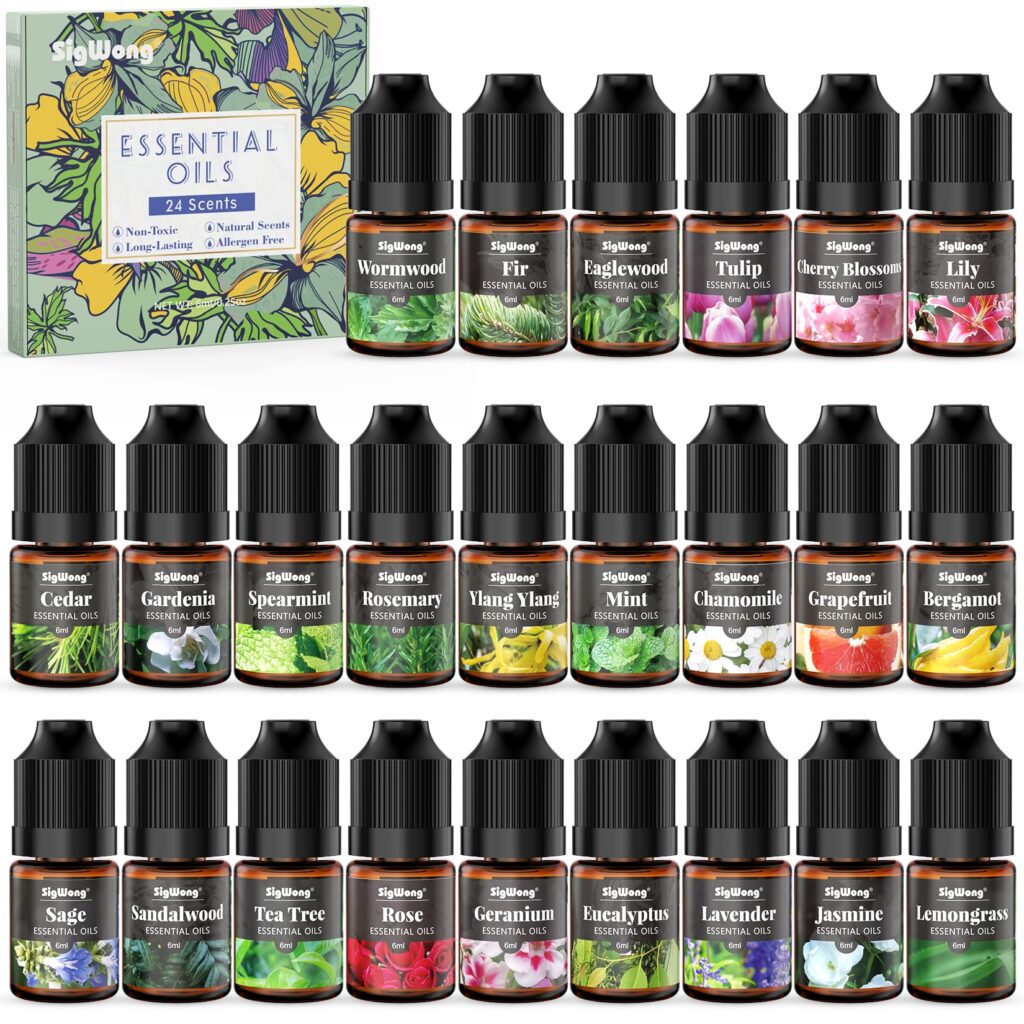
So, which essential oils should you use when creating your natural perfume? The options are endless, but here are a few popular choices:
- Lavender: calming and soothing
- Patchouli: earthy and grounding
- Menta: refreshing and invigorating
- Lemon: uplifting and citrusy
- Tea tree oil: antimicrobial and antifungal
Essential Oil Safety Precautions
When using essential oils, it’s essential to follow some basic safety precautions. Always dilute essential oils in a carrier oil before applying them to the skin, as they can be quite potent.
Also, make sure to use high-quality essential oils that are extracted using safe and sustainable methods. Some popular options include:
- Organic essential oils
- Wildcrafted essential oils
- Essential oils certified by organizations like the National Association for Holistic Aromatherapy (NAHA)
Conclusion
Natural fragrances offer a healthier, more sustainable alternative to artificial scents. By understanding the benefits of these plant-based perfumes and learning how to create your own, you can take control of the fragrances that surround you.
Whether you’re looking to promote better air quality or simply enjoy a unique scent, natural fragrances are worth exploring. So why not give it a try? Your nose – and the environment – will thank you.
Frequently Asked Questions
- Q: Are essential oils safe to use on my skin?
A: Generally, yes! Essential oils can be quite potent, so make sure to dilute them in a carrier oil before applying. - Q: Can I use essential oils in my diffuser without diluting them first?
A: No, it’s recommended to dilute essential oils before using them in your diffuser. Undiluted oils can cause skin irritation or other adverse reactions. - Q: How often should I reapply natural perfume to maintain its scent?
A: It depends on personal preference! Some people find that their scents last longer than others, so feel free to experiment and adjust as needed. - Q: Can I use natural fragrances in my cleaning products or laundry detergent?
A: While some essential oils can be used in these applications, it’s not always recommended. Always research the specific oil you’re using and follow any necessary guidelines before mixing it with your cleaning products. - Q: Are natural perfumes more expensive than commercial ones?
A: Depending on the quality of ingredients and brand reputation, yes! However, many people find that investing in high-quality essential oils is worth the extra cost for a healthier, more sustainable alternative. - Q: How long does it take to create a homemade perfume using essential oils?
A: The process can vary depending on your recipe and desired scent strength. On average, you’ll need 48 hours to 6 weeks to allow the scents to mature and blend together. - Q: Can I use natural perfumes in public spaces or workplaces?
A: While some offices and public areas may have fragrance-free policies, it’s always best to check with management or local regulations before using a homemade perfume.
The Future of Natural Fragrances
As consumers become increasingly aware of the health risks associated with artificial fragrances, the demand for natural perfumes is growing. In response, companies are developing more sustainable and environmentally-friendly alternatives to traditional essential oils.
Some innovative companies are even exploring new technologies that can mimic the scent of essential oils without the need for actual plant extracts. These synthetic alternatives promise to be just as effective while reducing waste and environmental impact.
Conclusion
Natural fragrances offer a healthier, more sustainable alternative to artificial scents. By understanding the benefits of these plant-based perfumes and learning how to create your own, you can take control of the fragrances that surround you.
Whether you’re looking to promote better air quality or simply enjoy a unique scent, natural fragrances are worth exploring. So why not give it a try? Your nose – and the environment – will thank you.
Additional Resources
- National Association for Holistic Aromatherapy (NAHA): A leading organization that promotes safe and sustainable essential oil practices.
- International Organization of Essential Oil Producers (IOOEP): A global trade association that represents the interests of essential oil producers worldwide.
- Environmental Working Group (EWG): A non-profit organization that works to promote healthier, more sustainable products.
Conclusion
Natural fragrances are a game-changer for those looking to avoid artificial scents. By understanding the benefits and safety precautions associated with these plant-based perfumes, you can take control of your fragrance preferences and create unique scents that promote better air quality.
So why not give natural perfumery a try? With high-quality essential oils and a little bit of creativity, you can craft fragrances that are both healthy and sustainable. Your nose – and the environment – will thank you.


