
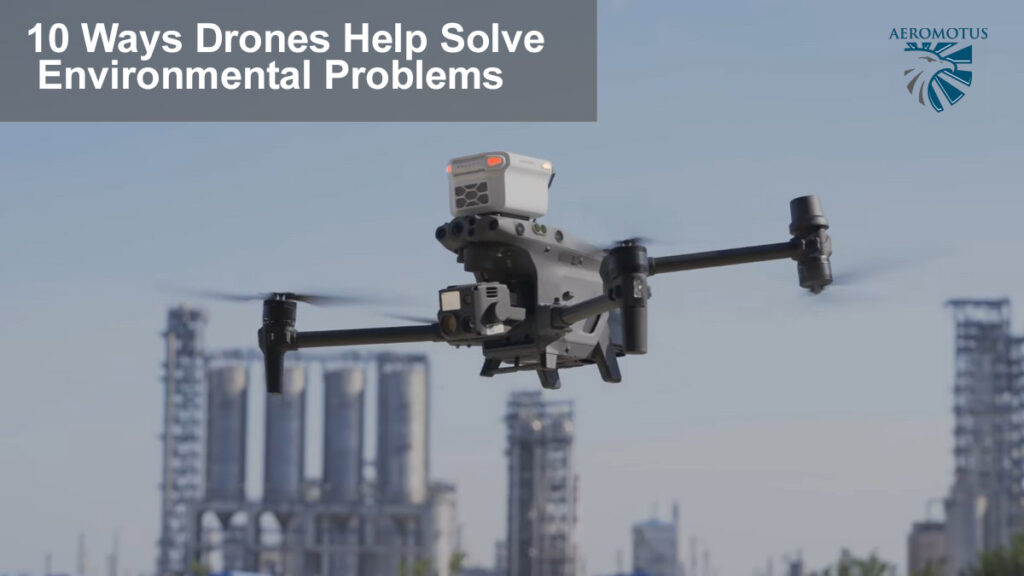
Drones have become an increasingly popular topic in recent years, with many people wondering what all the fuss is about. But drones are more than just a novelty – they’re also a powerful tool for protecting our environment. In this article, we’ll explore the ways in which drones are being used to help combat climate change, prevent natural disasters, and promote sustainable agriculture.
What Are Drones?
Before we dive into the environmental benefits of drones, let’s first define what they are. A drone is an unmanned aerial vehicle (UAV) that uses sensors and software to navigate and gather data. Unlike traditional airplanes, drones do not have a human pilot on board – instead, they use pre-programmed flight paths and GPS coordinates to stay on course.
There are two main types of drones: commercial drones and recreational drones. Commercial drones are designed for specific tasks such as aerial photography, surveying, and inspection. Recreational drones, on the other hand, are built for fun and recreation, often used for hobbies like drone racing and aerial stunts.
Environmental Monitoring with Drones
One of the most significant ways in which drones are being used to protect our environment is through environmental monitoring. By using drones equipped with sensors and cameras, researchers can gather data on air quality, water pollution, deforestation, and wildlife populations.
For example, drones can be used to monitor the health of forests by detecting signs of disease or pests. They can also track changes in land use over time, such as the growth of urban areas or the expansion of agricultural land.
Drones are particularly useful for monitoring hard-to-reach areas such as remote wilderness areas, wildlife reserves, and disaster zones. In these areas, drones can quickly and safely gather data without putting human lives at risk.
The Role of Drones in Climate Change Mitigation
Climate change is one of the most pressing issues facing our planet today, with rising temperatures, melting ice caps, and more frequent natural disasters all contributing to its impacts. Drones are playing a critical role in helping us mitigate the effects of climate change by monitoring and tracking changes in the environment.
For example, drones can be used to track the spread of wildfires, allowing firefighters to respond quickly and effectively. They can also monitor sea levels, track changes in ocean currents, and detect signs of deforestation, all of which are critical indicators of climate change.
Drones in Wildfire Prevention
Another critical application of drones is in wildfire prevention. By using drones equipped with heat sensors and cameras, firefighters can quickly detect fires before they spread, allowing them to respond more effectively.
In fact, studies have shown that drones are up to 50% faster at detecting wildfires than human observers. This is because drones can fly over vast areas quickly and easily, while human observers may be limited by their physical endurance.
The Benefits of Drone-Based Wildfire Detection
So why are drones so effective at detecting wildfires? There are several reasons:
- Speed: Drones can cover large areas quickly and efficiently, allowing firefighters to respond rapidly to emerging fires.
- Accuracy: Drones equipped with heat sensors and cameras can detect even the smallest signs of fire, making them more accurate than human observers.
- Safety: Drones eliminate the risk of injury or death for human observers, who may be at risk when approaching a fire in heavy terrain.
Agricultural Precision with Drones
Drones are also being used in agriculture to promote sustainable practices. By using drones equipped with cameras and sensors, farmers can gather data on crop health, soil moisture, and weather patterns.
This information can then be used to make informed decisions about irrigation, fertilization, and pest control, reducing the need for chemicals and other inputs that can harm the environment.
The Role of Drones in Sustainable Agriculture
Drones are playing a critical role in sustainable agriculture by providing farmers with valuable insights into their crops. By monitoring crop health, soil moisture, and weather patterns, drones can help farmers make informed decisions about irrigation, fertilization, and pest control.
This approach to agriculture is known as precision agriculture, and it involves using technology such as drones, satellite imaging, and sensors to optimize crop growth and reduce waste.
Early Detection of Xylella Fastidiosa
Finally, drones are being used in agriculture to detect early signs of disease such as Xylella fastidiosa. This bacterium is a major threat to olive groves, causing significant damage to crops and economies.
By using drones equipped with sensors and cameras, farmers can detect the presence of Xylella before it spreads, allowing them to take action quickly to prevent further damage.
The Benefits of Drone-Based Disease Detection
So why are drones so effective at detecting diseases like Xylella fastidiosa? There are several reasons:
- Speed: Drones can cover large areas quickly and efficiently, allowing farmers to respond rapidly to emerging disease outbreaks.
- Accuracy: Drones equipped with sensors and cameras can detect even the smallest signs of disease, making them more accurate than traditional methods.
- Cost-effectiveness: Drone-based disease detection is often less expensive than traditional methods, which can be time-consuming and labor-intensive.
Conclusion
In conclusion, drones are playing an increasingly important role in protecting our environment. From environmental monitoring to wildfire prevention, agricultural precision, and early detection of disease, drones are providing valuable insights and tools for those working to preserve the health of our planet.
As we move forward, it’s likely that drones will continue to play a major role in this effort, helping us to address some of the most pressing environmental challenges of our time.
Frequently Asked Questions
Q: How do drones work?
A: Drones use sensors and software to navigate and gather data. They are controlled remotely by a pilot or through pre-programmed flight paths.
Q: What types of drones are used for environmental monitoring?
A: Commercial drones, such as aerial photography and surveying drones, are commonly used for environmental monitoring. Recreational drones may also be used in some cases.
Q: How do drones prevent wildfires?
A: Drones equipped with heat sensors and cameras can detect fires before they spread, allowing firefighters to respond more effectively.
Q: Can drones be used for sustainable agriculture?
A: Yes, drones are being used to promote sustainable practices in agriculture. They provide valuable insights on crop health, soil moisture, and weather patterns.
Q: How do drones detect Xylella fastidiosa?
A: Drones equipped with sensors and cameras can detect the presence of Xylella before it spreads, allowing farmers to take action quickly to prevent further damage.
The Future of Drone-Based Environmental Monitoring
As drone technology continues to evolve, we can expect to see even more innovative applications in environmental monitoring. Some potential future developments include:
- Swarm drones: These are drones that fly together in formation, allowing for more efficient and effective data collection.
- Autonomous drones: These are drones that operate independently, using GPS and sensors to navigate and gather data.
- Drone-based citizen science: This involves involving the public in environmental monitoring efforts through drone-based research projects.
These developments have the potential to revolutionize the way we monitor and understand our environment, providing new insights into critical issues like climate change, deforestation, and wildlife populations.
Conclusion
In conclusion, drones are playing an increasingly important role in protecting our environment. From environmental monitoring to wildfire prevention, agricultural precision, and early detection of disease, drones are providing valuable insights and tools for those working to preserve the health of our planet.
As we move forward, it’s likely that drones will continue to play a major role in this effort, helping us to address some of the most pressing environmental challenges of our time.


