
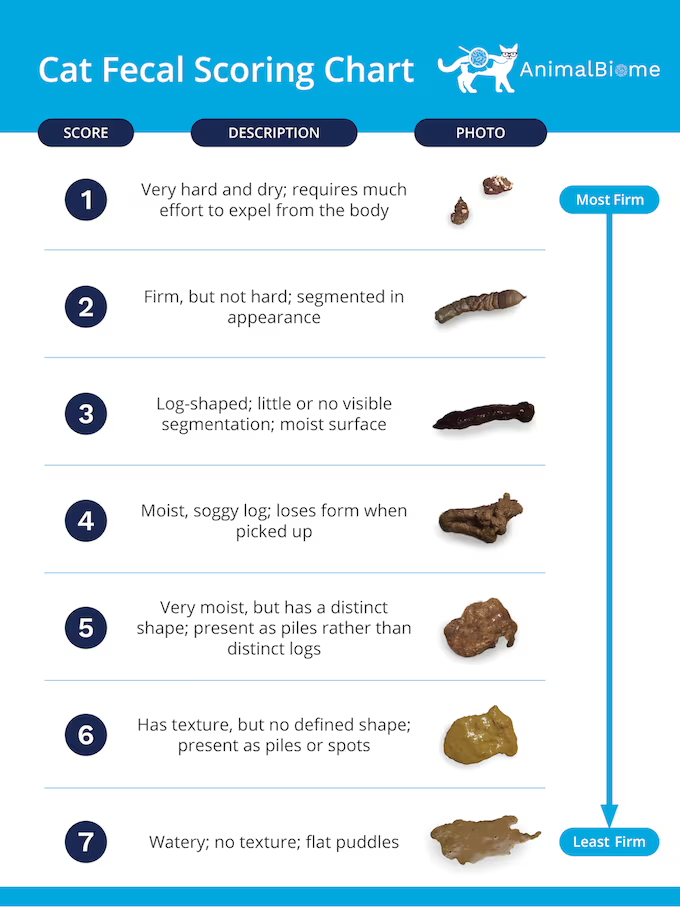
Feline diarrhea is an unpleasant condition that can affect cats and their owners. Unlike dogs, which are more prone to diarrhea, cats are less likely to suffer from this condition. However, if you’re sharing a space or days with your cat, it’s essential to take action when symptoms appear.
What is Feline Diarrhea?
Feline diarrhea is similar to human diarrhea and is characterized by the emission of liquid feces that may be covered in a gelatinous mucus. This occurs when the colon’s last section is inflamed, causing visible blood clots in the stool. If the inflammation affects the small intestine instead, there may be digested blood in the stool, making it a more serious condition.
Symptoms of Feline Diarrhea
Understanding the symptoms of feline diarrhea is crucial. While they share similarities with human diarrhea, it’s essential to investigate thoroughly and seek veterinary attention if you suspect your cat has this condition. Some common symptoms include:
- Loose or watery stools
- Blood clots in the stool
- Mucus covering the feces
- Tenesmus (a strong urge to defecate even when the rectum is empty)
- Flatulence due to bacterial fermentation
Investigating Feline Diarrhea
If you suspect your cat has feline diarrhea, it’s essential to investigate thoroughly. A comprehensive examination, including anamnesis (medical history), blood tests, radiography, and ultrasound, may be necessary. In severe cases, the veterinarian may recommend endoscopy as a diagnostic tool.
Treating Feline Diarrhea
Typically, feline diarrhea is treated with symptomatic relief before further investigation if the cat doesn’t respond to treatment. However, in some cases, medication may be prescribed. It’s essential not to underestimate this combination of symptoms, as changes in diet or consuming spoiled food or contaminated substances can exacerbate diarrhea and vomiting.
Feline Diarrhea in Senior Cats
Senior cats are more prone to feline diarrhea due to their weakened organs. However, with proper care and attention, you can prevent unnecessary suffering. Common causes of acute or chronic feline diarrhea include gastroenteritis, irritable colon syndrome, ingestion of toxic substances, pancreatitis, and kidney/liver disease.
Feline Diarrhea and Vomiting
Vomiting can be a symptom of feline diarrhea, depending on the underlying cause. Some types of viral (Panleucopenia, Rotavirus, Coronavirus) or bacterial (Salmonella, Campylobacter jejuni, Yersinia enterocolitica) infections can lead to both diarrhea and vomiting.
Preventing Feline Diarrhea
Prevention is key when it comes to feline diarrhea. Some common causes of chronic diarrhea are food intolerances, intestinal parasites, or inflammatory bowel disease, as well as cancer. Regular check-ups with your veterinarian can help identify potential issues before they become severe.
Treating Food Intolerances and Parasites
If your cat has a food intolerance or intestinal parasite, treatment may involve a change in diet or the use of medication specifically designed to target these issues. In some cases, surgery may be necessary.
Feline Diarrhea FAQs
- What causes feline diarrhea?
Feline diarrhea can be caused by various factors, including gastroenteritis, irritable colon syndrome, ingestion of toxic substances, pancreatitis, and kidney/liver disease. - How is feline diarrhea diagnosed?
A comprehensive examination, including anamnesis (medical history), blood tests, radiography, and ultrasound, may be necessary to diagnose feline diarrhea. - What are the symptoms of feline diarrhea?
Common symptoms include loose or watery stools, blood clots in the stool, mucus covering the feces, tenesmus (a strong urge to defecate even when the rectum is empty), and flatulence due to bacterial fermentation. - How is feline diarrhea treated?
Typically, feline diarrhea is treated with symptomatic relief before further investigation if the cat doesn’t respond to treatment. Medication may be prescribed in some cases. - Can feline diarrhea be prevented?
Prevention is key when it comes to feline diarrhea. Regular check-ups with your veterinarian can help identify potential issues before they become severe. - How do I treat my cat’s food intolerance or parasite?
Treatment may involve a change in diet or the use of medication specifically designed to target these issues. - Can feline diarrhea be caused by viral or bacterial infections?
Yes, some types of viral (Panleucopenia, Rotavirus, Coronavirus) or bacterial (Salmonella, Campylobacter jejuni, Yersinia enterocolitica) infections can lead to both diarrhea and vomiting. - Is feline diarrhea contagious?
No, feline diarrhea is not typically contagious. - How long does feline diarrhea last?
The duration of feline diarrhea varies depending on the underlying cause and treatment. - Can I treat my cat’s feline diarrhea at home?
It’s generally recommended to seek veterinary attention if your cat has feline diarrhea, as it can be a sign of an underlying issue that requires professional attention.
Dietary Changes for Feline Diarrhea
Making dietary changes can help alleviate symptoms of feline diarrhea. Cats are obligate carnivores and require a diet rich in protein from animal sources. If your cat is experiencing diarrhea, try the following:
- Feed a high-quality commercial cat food that is easy to digest
- Gradually introduce a new food into your cat’s diet to prevent digestive upset
- Consider a food trial with a novel protein source (e.g., venison or duck)
- Avoid feeding table scraps or human food, as these can exacerbate diarrhea
Medications for Feline Diarrhea
Medication may be prescribed in some cases of feline diarrhea. Common medications include:
- Anti-diarrheal medications (e.g., loperamide) to slow bowel movements and reduce stool frequency
- Probiotics to promote a healthy gut microbiome
- Antibiotics to treat bacterial infections
When to Seek Veterinary Attention
If your cat is experiencing any of the following symptoms, seek veterinary attention immediately:
- Severe vomiting or diarrhea
- Blood in the stool or vomit
- Abdominal pain or discomfort
- Fever or lethargy
- Lack of appetite or water intake
- Diarrhea that lasts for more than 24 hours
Conclusion
Feline diarrhea is a common condition that can be caused by various factors. Understanding the symptoms, investigating thoroughly, and seeking veterinary attention if necessary are crucial in preventing unnecessary suffering. By making dietary changes, using medication, and taking preventative measures, you can help alleviate symptoms of feline diarrhea and keep your cat healthy.
Additional Resources
If you’re concerned about your cat’s health or suspect they have feline diarrhea, consult the following resources:
- American Animal Hospital Association (AAHA)
- International Cat Care
- PetMD
Remember, it’s always better to err on the side of caution when it comes to your cat’s health. If in doubt, seek veterinary attention for a professional diagnosis and treatment plan.


