
Introduction
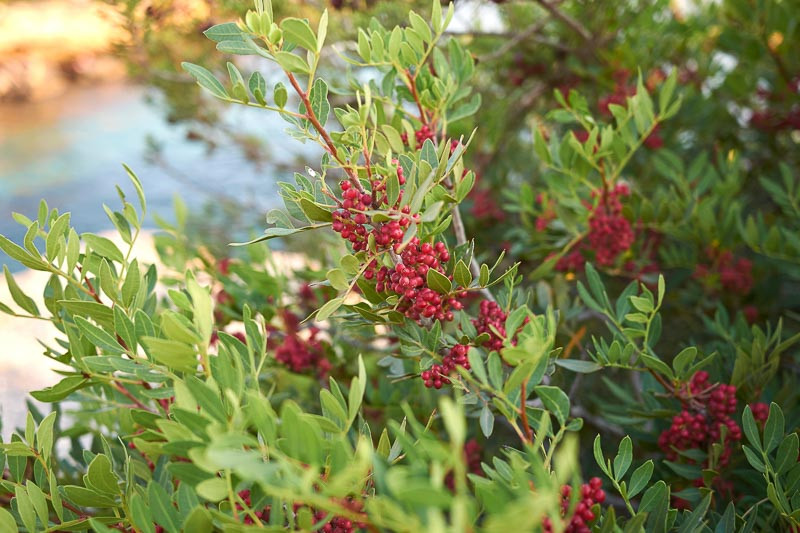
The lentisk is a common shrub found throughout Italy, particularly in the Mediterranean region. This versatile plant has been used for various purposes, including traditional medicine, and its properties make it an ideal candidate for landscaping and environmental remediation. In this article, we will explore how to cultivate and care for the lentisk, as well as its uses and benefits.
What is the Lentisk?
The lentisk is a low-maintenance shrub that can thrive in harsh conditions. It has adapted to withstand extreme temperatures, strong winds, and poor soil quality. Its ability to resist these conditions makes it an excellent choice for landscaping and environmental remediation projects.
Cultivating the Lentisk
- Growing Conditions
The lentisk is a hardy plant that can tolerate cold and hot temperatures. However, prolonged periods of frost may damage its leaves. - Wind Resistance
The lentisk has a strong stem that allows it to resist harsh winds. Its adaptability makes it an ideal choice for exposed areas. - Soil Requirements
The lentisk prefers well-draining soil, but it can thrive in poor soil conditions. A balanced pH level (acidic and alkaline) is essential for its growth.
Pruning the Lentisk
- Purpose of Pruning
While not necessary, pruning the lentisk can help maintain its shape and promote healthy growth. -
Removing Dead Branches
Regularly inspecting the plant and removing dead or damaged branches helps prevent disease and maintains overall health. -
Pruning Techniques
Using specialized pruning tools, such as loppers and hedge clippers, is essential for maintaining the lentisk’s shape and promoting new growth. Prune the plant during its dormant season to minimize stress on the plant.
Caring for the Lentisk
- Watering Requirements
The lentisk requires minimal watering, especially in dry climates. Avoid overwatering, which can lead to root rot and other issues. -
Fertilization
Feed the lentisk with a balanced fertilizer during the growing season to promote healthy growth. A fertilizer specifically formulated for acidic soils can help maintain its natural pH balance. -
Pest Control
The lentisk is susceptible to parasites like the Aploneura lentisci species. Regular application of natural macerates can help prevent infestations. - Disease Prevention
Regularly inspect the plant for signs of disease, such as fungal infections or root rot. Use organic fungicides and bactericides to treat any issues promptly.
Uses of the Lentisk
- Lentisk Oil
The oil extracted from lentisk seeds has been used for centuries in cooking and as a medicinal remedy. - Essential Oil
The essential oil derived from lentisk has anti-inflammatory and sedative properties, making it useful for relaxation and pain relief. - Mastiche
Mastiches can be made by applying heat to the plant’s resin, creating a natural chewing gum that aids in oral health and provides antibacterial properties.
Traditional Medicine Uses
- Digestive Issues
Lentisk oil has been used to treat digestive issues, such as constipation and bloating. - Respiratory Problems
The essential oil has anti-inflammatory properties that can help alleviate respiratory problems, such as bronchitis and asthma. - Skin Conditions
Lentisk oil’s antiseptic properties make it useful for treating skin conditions like acne and eczema.
Landscaping Uses
- Hedges and Screens
The lentisk’s dense foliage makes it an excellent choice for hedges and screens, providing natural beauty and noise reduction. - Windbreaks
Its strong stem and adaptability make it a popular choice for windbreaks, protecting gardens from harsh winds. - Drought-Tolerant Groundcover
Environmental Remediation Uses
- Erosion Control
The lentisk’s extensive root system makes it an excellent choice for erosion control, preventing soil degradation and landslides. - Wildlife Habitat Creation
Its dense foliage provides a natural habitat for wildlife, such as birds and small mammals.
Conclusion
The lentisk is a versatile and resilient plant that offers numerous benefits for landscaping, environmental remediation, and traditional medicine. By understanding its growing conditions, pruning needs, and uses, you can harness the full potential of this remarkable plant.
Frequently Asked Questions (FAQs)
- Q: Is the lentisk suitable for my garden?
A: Yes, due to its hardiness and adaptability, it is an excellent choice for landscaping projects. - Q: Can I use the lentisk oil in cooking?
A: Yes, but be aware that lentisk oil has a distinct flavor profile and may require adjustments in recipes. - Q: Are there any pests or diseases specific to the lentisk?
A: The Aploneura lentisci species is particularly susceptible to parasites, while felwort macerate can help control other pests. - Q: How do I harvest mastiches from the lentisk?
A: Incise the plant’s bark and resin will flow out. Allow it to dry before use as a chewing gum or medicinal product. - Q: Can I grow lentisk in containers?
A: Yes, but ensure proper drainage and suitable soil conditions for optimal growth. - Q: Is lentisk oil safe for topical application?
A: Consult with a healthcare professional before using lentisk oil on the skin. - Q: How can I propagate lentisk plants?
A: Take cuttings from mature branches and plant them in well-draining soil to encourage new growth. - Q: Are there any specific health benefits of using lentisk essential oil?
A: Yes, its anti-inflammatory properties make it a useful treatment for pain relief and relaxation.
By understanding the needs and uses of the lentisk, you can unlock its full potential as a versatile plant that offers numerous benefits for your garden and overall well-being.


