
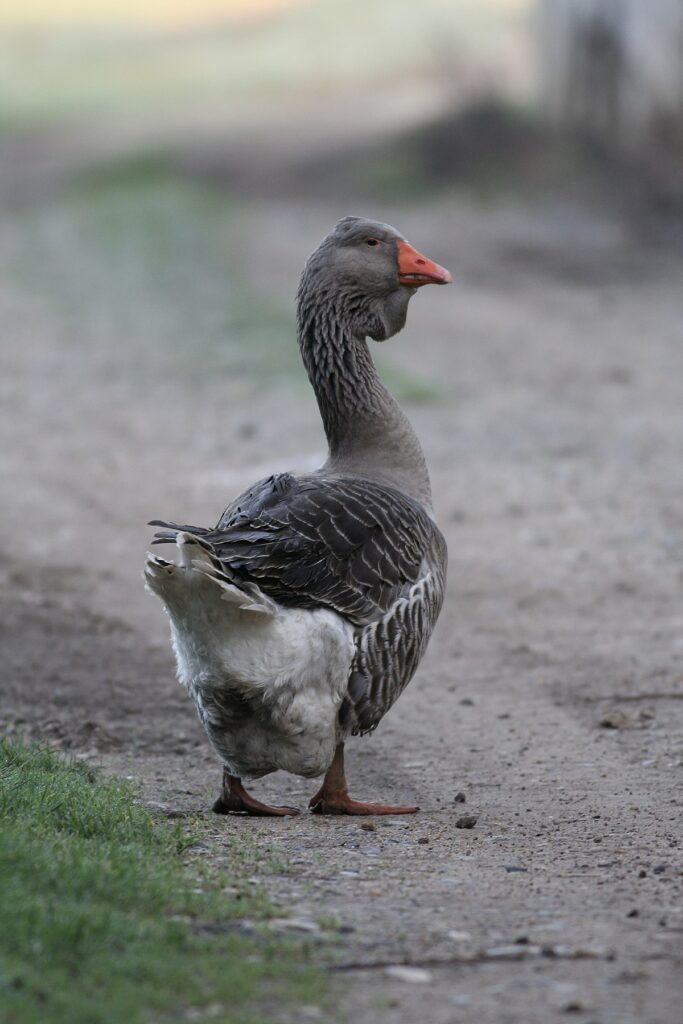
As we explore the world of bird breeds, one species stands out for its remarkable characteristics and versatility: the Oca di Tolosa. This Italian breed has been prized for its exceptional meat production, particularly its paté de foie gras, a delicacy made from its fatty liver. But that’s not all – the Oca di Tolosa is also an ornamental bird, sought after by enthusiasts for its unique features and gentle nature.
A Brief History of the Oca di Tolosa
The Oca di Tolosa’s journey to fame began in the mid-19th century when it was first exported from France to England and America. At that time, breeders were fascinated by this bird’s potential and started selecting for desirable traits, leading to two distinct varieties: the industrial Oca di Tolosa and the agricultural Oca di Tolosa.
The industrial Oca di Tolosa was developed in response to the growing demand for meat production, while the agricultural variety was created to cater to the needs of small-scale farmers. Over time, breeders have continued to refine these breeds, leading to the unique characteristics we see today.
Industrial vs. Agricultural Oca di Tolosa
While both types share some similarities, they have distinct characteristics. The industrial Oca di Tolosa is larger, with males weighing up to 10-12 kg, while females reach a impressive weight of 9-10 kg. This breed boasts a distinctive bavetta (a skin fold under the chin), chiglia (the anterior part of the breastbone), and fanone (a cutaneous duplication on the belly).
In contrast, the agricultural Oca di Tolosa is smaller and lacks the bavetta. Its chiglia is less pronounced, and it has only one fanone.
The Unique Coloration of the Oca di Tolosa
The Oca di Tolosa’s plumage is its most striking feature, with a characteristic grey coloration that can also be found in white or reddish-brown varieties (known as fulva). This breed’s unique appearance makes it a favorite among bird enthusiasts.
Raising an Oca di Tolosa: Tips and Considerations
Raising an Oca di Tolosa requires patience, dedication, and proper care. These birds are known for their docile nature, making them suitable for small enclosures. However, they do require regular feeding and attention to their specific nutritional needs.
Oca di Tolosa females lay a moderate number of eggs (around 50-60 per year) with an average weight of 170 grams. The slow growth rate of the pullets means that it takes two years for them to reach full maturity.
Caring for Oca di Tolosa Pullets
When raising Oca di Tolosa pullets, it’s essential to provide high-protein foods such as specialized palmiped diets with high soya content. These young birds also require attention and proper care throughout their lives.
In addition to a balanced diet, Oca di Tolosa pullets need regular exercise and social interaction. This can be achieved by providing them with plenty of space to roam and engage in activities like dust bathing and foraging.
Health Considerations
Like all bird breeds, the Oca di Tolosa is susceptible to certain health issues. These include respiratory problems, such as bronchitis and pneumonia, which can be caused by poor ventilation or exposure to pollutants. Regular veterinary check-ups are essential to prevent and detect any potential health problems early on.
Handling and Training
Oca di Tolosa birds are known for their gentle nature, making them relatively easy to handle and train. However, it’s still important to establish a rapport with the bird through regular interaction and positive reinforcement techniques.
One effective way to train an Oca di Tolosa is to start with simple tasks like feeding and providing fresh water. As the bird becomes more comfortable with its surroundings, you can gradually introduce more complex behaviors, such as walking on a leash or performing tricks.
Conclusion
The Oca di Tolosa is an extraordinary bird breed that offers a unique combination of meat production and ornamental value. Its history, characteristics, and requirements make it an ideal choice for experienced poultry keepers or enthusiasts looking to add this fascinating bird to their menagerie.
Whether you’re interested in raising the birds for their meat or simply appreciating their beauty, the Oca di Tolosa is a breed that’s sure to captivate and delight.
Interesting Facts About the Oca di Tolosa
- The Oca di Tolosa is also known as the “Tolosan duck-duck” due to its unique appearance.
- In Italy, the Oca di Tolosa is considered a protected species, with strict regulations in place to conserve the breed.
- Oca di Tolosa birds are natural foragers and can be encouraged to engage in this behavior by providing them with plenty of space and suitable feed.
Comparison with Other Bird Breeds
The Oca di Tolosa’s unique characteristics set it apart from other bird breeds. Here are a few comparisons:
- The industrial Oca di Tolosa is similar to the Muscovy duck, which also produces high-quality meat.
- The agricultural Oca di Tolosa shares similarities with the Polish goose, which is known for its gentle nature and versatility.
Conclusion
In conclusion, the Oca di Tolosa is a remarkable bird breed that offers a unique combination of meat production and ornamental value. Its history, characteristics, and requirements make it an ideal choice for experienced poultry keepers or enthusiasts looking to add this fascinating bird to their menagerie.
Whether you’re interested in raising the birds for their meat or simply appreciating their beauty, the Oca di Tolosa is a breed that’s sure to captivate and delight.


