
As a homeowner, choosing the right houseplants can be a daunting task. With so many options available, it’s essential to select plants that not only purify the air but also add a touch of elegance to your home decor. One such plant that has gained popularity in recent years is the Adiantum, a delicate yet stunning fern species. In this article, we’ll delve into the world of Adiantum, exploring its characteristics, care requirements, and potential issues.
Characteristics of Adiantum
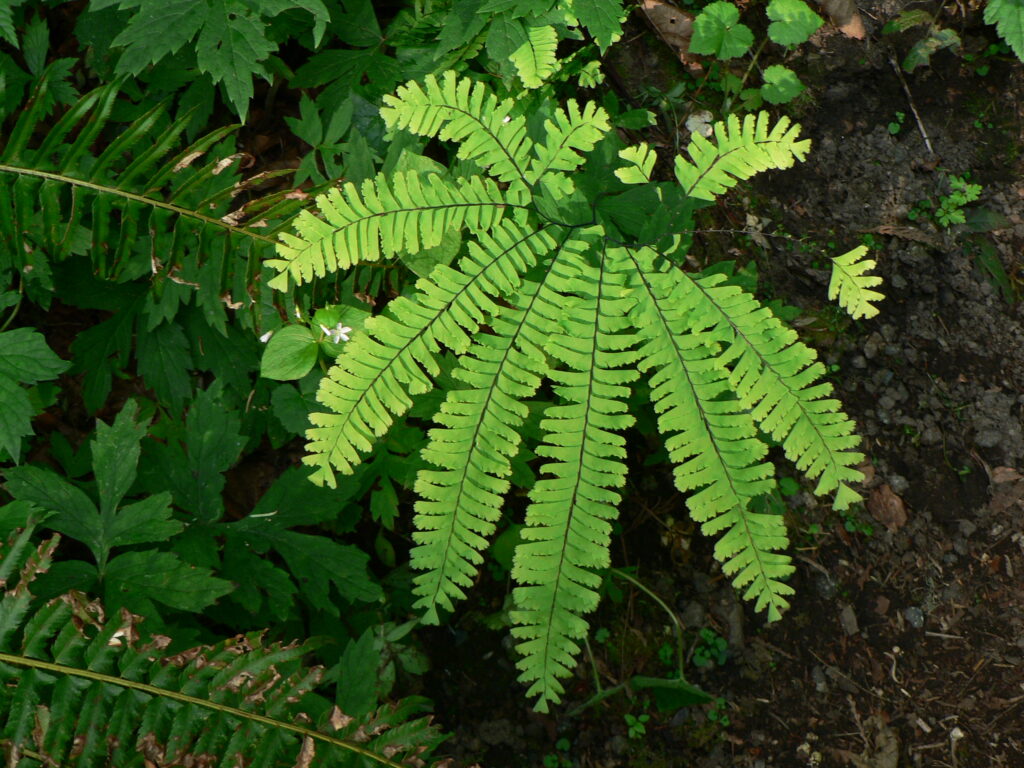
Adiantum is a type of fern that is widely cultivated for its beautiful foliage. This plant can grow up to 30 cm in height and width, making it an excellent choice for indoor spaces. The leaves are triangular, with a distinctive arch shape, and have a light green color. In ideal conditions, Adiantum thrives in shady environments with moderate temperatures.
Characteristics of Adiantum
Adiantum is characterized by its unique leaf structure, which consists of two distinct parts: the stipe (stem) and the frond (leaf). The stipe is thin and wiry, supporting the frond, while the frond itself has a delicate arch shape. This distinctive feature gives Adiantum its unique appearance.
Choosing the Right Environment
When it comes to caring for Adiantum, one of the most crucial factors is providing the right environment. This plant prefers bright, indirect light but can’t tolerate direct sunlight, which can cause scorching. In indoor spaces, ensure that your Adiantum is placed in a spot with low to moderate light exposure. Avoid placing it near heating or cooling vents, as this can lead to temperature fluctuations.
Creating the Perfect Soil
Adiantum requires well-draining soil to prevent root rot. A mix of three parts of peat moss, one part of potting soil, and one part of perlite will provide an ideal balance for your fern. The top layer should be slightly dampened with water, but make sure it’s not waterlogged.
Watering: The Key to Success
Watering is a critical aspect of caring for Adiantum. Overwatering can lead to root rot, while underwatering can cause the leaves to become dry and brittle. Water your fern by gently pouring water over the soil, ensuring that the roots are hydrated but not soaked.
Tips for Watering
Here are some tips to keep in mind when watering your Adiantum:
- Check the moisture level of the soil before watering.
- Water your fern in the morning, allowing the plant to absorb the water throughout the day.
- Avoid getting water on the leaves or crown of the plant to prevent rot and disease.
Reproducing Adiantum: Division and Spore Germination
Adiantum is a relatively easy plant to propagate using division or spore germination methods. Division involves separating the rhizome into smaller pieces, each containing at least two or three “shoots.” This method is best suited for experienced gardeners.
Division Method
Here’s a step-by-step guide on how to divide your Adiantum:
- Choose healthy stems with multiple shoots.
- Cut the stem just above the node (where the leaves meet the stem).
- Remove lower leaves and trim the roots to encourage new growth.
- Pot up each division in a well-draining potting mix.
Spore Germination Method
To propagate Adiantum using spore germination, you’ll need to obtain spores from a mature fern plant. Here’s how to do it:
- Collect spores by gently brushing them off the underside of the fronds.
- Mix the spores with a small amount of water and place on a moistened surface (such as paper towel).
- Keep the surface moist and warm until germination occurs.
Common Pests and Diseases
As with any houseplant, Adiantum can be susceptible to pests and diseases. One of the most common issues is root rot caused by overwatering. Inspect your fern regularly for signs of pests such as spider mites, mealybugs, or scale insects. Fungal infections like leaf spot or crown rot can also occur if the plant is exposed to excessive moisture.
Pest Control
Here are some methods to control common pests:
- Check your fern regularly for signs of infestation.
- Use neem oil or insecticidal soap to treat infested areas.
- Quarantine infested plants to prevent spread.
Disease Prevention
To prevent fungal diseases, ensure good air circulation around your Adiantum. Here are some additional tips:
- Avoid overwatering.
- Reduce humidity levels in the surrounding area.
- Use fungicides specifically designed for ferns.
Fascinating Facts About Adiantum
Adiantum has been a popular choice among gardeners and interior designers due to its unique appearance and versatility. In fact, this plant’s name “adiantum” comes from the Greek word for “dry,” possibly referring to the way water drips off the leaves.
Fascinating Facts About Adiantum
Here are some additional fascinating facts about Adiantum:
- Adiantum is native to tropical regions of Asia and Africa.
- The plant has been used in traditional medicine for centuries, particularly in Asian cultures.
- Adiantum is a popular choice among interior designers due to its elegant appearance.
Conclusion: Adiantum – The Perfect Addition to Your Home
With its delicate yet elegant foliage, Adiantum is an excellent choice for any indoor space. By following these simple care guidelines and being aware of potential issues, you can enjoy the beauty of this plant for years to come. Whether you’re a seasoned gardener or just starting out, Adiantum is sure to delight.
Frequently Asked Questions (FAQs)
Q: What is the ideal temperature range for Adiantum?
A: Adiantum prefers temperatures between 18°C and 25°C (64°F – 77°F).
Q: How often should I water my Adiantum?
A: Water your fern by gently pouring water over the soil, ensuring that the roots are hydrated but not soaked.
Q: Can Adiantum be grown outdoors?
A: While Adiantum can thrive in outdoor environments, it’s best suited for shaded areas with moderate temperatures.
Q: How do I propagate Adiantum using division?
A: To propagate Adiantum by division, separate the rhizome into smaller pieces, each containing at least two or three “shoots.”
Q: What are some common pests that affect Adiantum?
A: Common pests that affect Adiantum include spider mites, mealybugs, and scale insects.
Q: Can I grow Adiantum in low-light conditions?
A: While Adiantum prefers bright, indirect light, it can tolerate low-light conditions but may require more frequent watering.
Q: How long does it take for Adiantum to mature?
A: Adiantum typically takes 1-2 years to mature after planting.


