
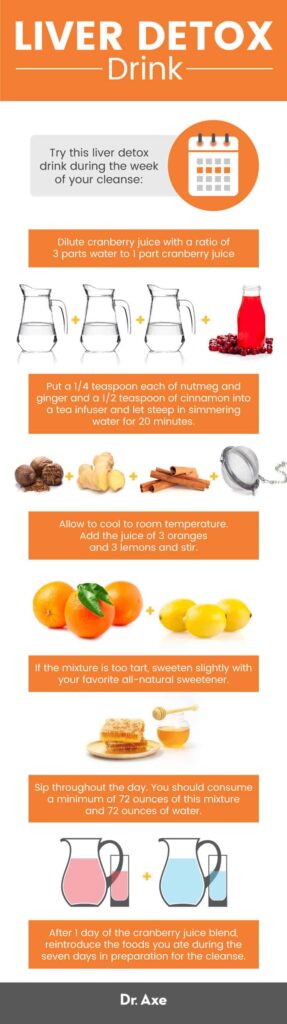
Understanding the Importance of the Liver
Your liver is one of the most crucial organs in your body, responsible for detoxifying and filtering out harmful substances. A healthy liver ensures that your metabolism functions properly, and it also helps to prevent diseases like cancer and liver failure. However, with our modern lifestyle, it’s easy to overload our liver with toxins, leading to liver damage. In this article, we’ll explore natural ways to boost your liver health, including dietary changes, stress management, and lifestyle modifications.
Natural Remedies for Liver Detox
While there are no quick fixes or magic potions to detox your liver, incorporating these natural remedies into your daily routine can help:
1. Diet and Nutrition
Eating a balanced diet rich in fruits, vegetables, and whole grains is essential for liver health. Focus on consuming foods that promote digestion, reduce inflammation, and support antioxidant functions.
Foods to Include:
- Leafy greens (spinach, kale, collard greens)
- Berries (blueberries, strawberries, raspberries)
- Citrus fruits (oranges, lemons, limes)
- Cruciferous vegetables (broccoli, cauliflower, Brussels sprouts)
- Nuts and seeds (almonds, walnuts, chia seeds)
Foods to Avoid:
- Processed meats
- Refined sugars
- Fried foods
- High-sodium snacks
2. Hydration and Digestive Health
Adequate hydration is essential for liver function. Drink plenty of water throughout the day, and consider incorporating digestive enzymes to support nutrient absorption.
Tips:
- Aim for at least eight glasses of water per day
- Eat smaller meals to reduce digestion stress
- Consider adding digestive enzymes like papaya or pineapple extract
3. Stress Management
Chronic stress can put a strain on your liver, leading to inflammation and damage. Engage in stress-reducing activities like meditation, yoga, or deep breathing exercises.
Techniques:
- Practice mindfulness through meditation or deep breathing
- Engage in regular exercise to reduce stress hormones
- Get enough sleep (7-9 hours per night)
4. Lifestyle Modifications
Make healthy lifestyle choices to support your liver health:
Tips:
- Limit alcohol consumption to moderate levels (1 drink per day for women, 2 drinks per day for men)
- Avoid smoking and secondhand smoke
- Get regular check-ups with your healthcare provider
Frequently Asked Questions
Q: How often should I detox my liver?
A: It’s recommended to support your liver health through natural methods like diet, hydration, and stress management. Detoxing products can be helpful, but they should not replace a healthy lifestyle.
Q: What are the best foods for liver health?
A: Leafy greens, berries, citrus fruits, cruciferous vegetables, and nuts and seeds are all beneficial for liver health.
Q: Can I use herbal supplements to support my liver health?
A: Yes, some herbal supplements like milk thistle and turmeric may help support liver function. However, always consult with your healthcare provider before adding any new supplements to your regimen.
Q: How can I reduce stress and support my liver health?
A: Engage in stress-reducing activities like meditation, yoga, or deep breathing exercises. Regular exercise, adequate sleep, and a balanced diet can also help support your liver health.
Q: What are the signs of liver damage?
A: Signs of liver damage may include fatigue, weakness, loss of appetite, jaundice (yellowing of skin and eyes), and dark urine. If you experience any of these symptoms, consult with your healthcare provider immediately.
Q: Can I get a liver cleanse at home?
A: While it’s possible to incorporate some liver-friendly habits into your daily routine, it’s not recommended to attempt a full-scale liver cleanse at home without consulting with a healthcare professional first. They can help you determine the best course of action for your specific situation.
Q: Can I get enough vitamin D through food sources?
A: While some foods like fatty fish and fortified dairy products contain vitamin D, it’s challenging to get enough from dietary sources alone. Consider supplementing with vitamin D if you’re at risk for deficiency or have limited sun exposure.
The Science Behind Liver Detoxification
Your liver is responsible for detoxifying harmful substances through a complex process involving multiple enzymes and chemical reactions. When you consume foods, drinks, or smoke, these toxins can accumulate in your body, leading to liver damage over time.
The Role of Enzymes
Enzymes play a crucial role in liver detoxification by breaking down toxins into smaller, more manageable compounds that can be eliminated from the body. Common enzymes involved in liver detoxification include:
- CYP3A4: metabolizes drugs and environmental toxins
- UGT1A1: conjugates bilirubin to make it water-soluble for excretion
- NADPH oxidoreductase: generates reduced glutathione to neutralize oxidative stress
The Importance of Antioxidants
Antioxidants help protect your liver from damage by neutralizing free radicals and reducing inflammation. Foods rich in antioxidants include:
- Berries (blueberries, strawberries, raspberries)
- Leafy greens (spinach, kale, collard greens)
- Nuts and seeds (almonds, walnuts, chia seeds)
Foods that Support Liver Health
While a balanced diet is essential for liver health, some foods may have specific benefits:
Foods that Support Glutathione Production
Glutathione is an antioxidant produced in the liver to neutralize oxidative stress. Foods that support glutathione production include:
- Cruciferous vegetables (broccoli, cauliflower, Brussels sprouts)
- Berries (blueberries, strawberries, raspberries)
Foods that Reduce Inflammation
Inflammatory foods can damage your liver and exacerbate conditions like non-alcoholic fatty liver disease (NAFLD). Avoid or limit these foods:
- Processed meats
- Refined sugars
- Fried foods
- High-sodium snacks
Supplements for Liver Health
Certain supplements may support liver health, but always consult with your healthcare provider before adding new supplements to your regimen. Consider the following options:
Supplements that Support Glutathione Production
- Alpha-lipoic acid: a powerful antioxidant
- N-acetyl cysteine (NAC): an amino acid that supports glutathione production
Supplements that Reduce Inflammation
- Omega-3 fatty acids: anti-inflammatory properties
- Turmeric/Curcumin: potent antioxidants and anti-inflammants
Conclusion
Boosting your liver health through natural methods like diet, hydration, and stress management is essential for maintaining overall well-being. By incorporating these tips into your daily routine, you can support your liver function, reduce the risk of liver damage, and promote a healthy metabolism.
References:
- “The Liver’s Role in Metabolism” (National Institute of Diabetes and Digestive and Kidney Diseases)
- “Liver Detoxification: A Review” (Journal of Clinical Gastroenterology)
- “Antioxidants and Oxidative Stress” (American Journal of Lifestyle Medicine)
Disclaimer: This article is for informational purposes only. Consult with your healthcare provider before making any significant changes to your diet or lifestyle.


