
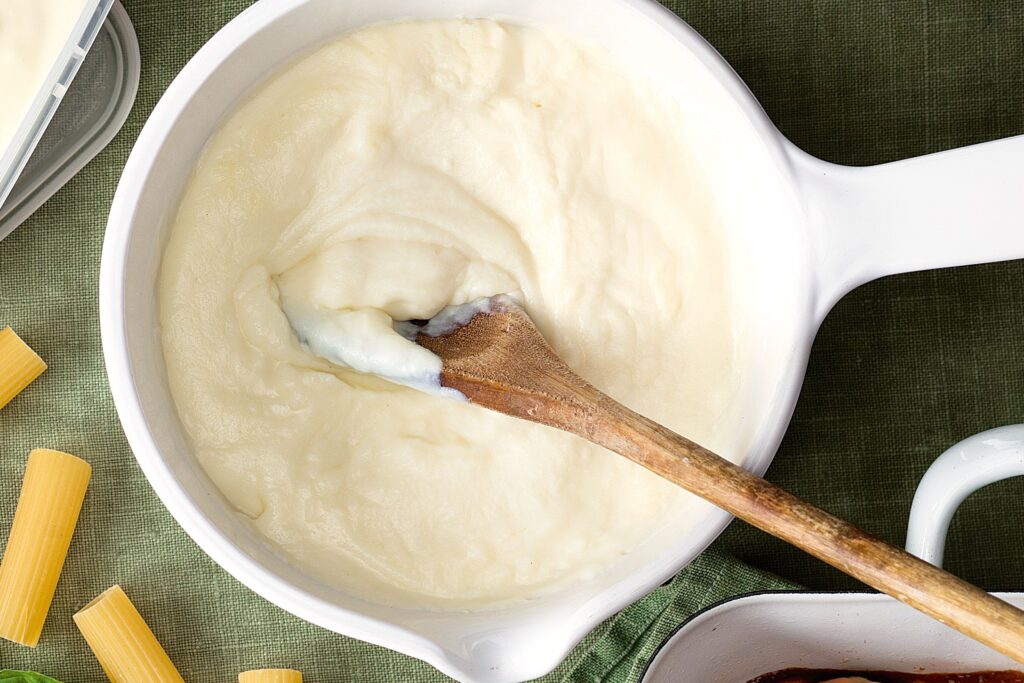
Making besciamella from scratch is a game-changer for anyone who loves pasta, lasagna, or just wants to elevate their cooking skills. This Italian classic is often overlooked in favor of store-bought versions, but trust us, homemade besciamella is a revelation. In this article, we’ll dive into the world of besciamella, explore its history, and share our favorite recipes for both traditional and vegan versions.
What is Besciamella?
Besciamella is a type of white sauce made from milk or cream that’s thickened with butter or oil. It’s often used as a filling in lasagna, but it’s also delicious on its own or paired with pasta, vegetables, or meats. The beauty of besciamella lies in its versatility and the fact that it can be customized to suit any taste.
A Brief History of Besciamella
Besciamella has its roots in Italy, where it was originally used as a way to stretch meat supplies during times of scarcity. Over time, it evolved into a staple ingredient in Italian cuisine, with various regions developing their own unique variations. Today, besciamella is enjoyed not only in Italy but around the world.
The Classic Recipe
Let’s start with the classic recipe for traditional besciamella:
Ingredients:
- 2 tablespoons butter
- 2 tablespoons all-purpose flour
- 1 cup milk
- Salt and nutmeg to taste
Instructions:
- Melt butter in a saucepan over medium heat.
- Add flour and whisk until smooth.
- Gradually add milk, whisking constantly.
- Bring mixture to a simmer and cook until thickened.
Tips for Making the Perfect Besciamella
- Use high-quality ingredients: Fresh milk, real butter, and good-quality flour will make all the difference in your besciamella.
- Don’t overcook it: Besciamella should be smooth and creamy, not too thick or too thin.
- Experiment with flavors: Add a pinch of salt, a sprinkle of nutmeg, or some grated Parmesan cheese to give your besciamella an extra boost.
Vegan Besciamella Recipe
Not everyone is lactose intolerant or vegan, but we understand the importance of adapting recipes for those dietary needs. Here’s our vegan version of besciamella:
Ingredients:
- 2 tablespoons olive oil
- 2 tablespoons all-purpose flour
- 1 cup non-dairy milk (such as almond or soy milk)
- Salt and nutmeg to taste
Instructions:
- Heat olive oil in a saucepan over medium heat.
- Add flour and whisk until smooth.
- Gradually add non-dairy milk, whisking constantly.
- Bring mixture to a simmer and cook until thickened.
Variations Galore
Besciamella is an incredibly versatile ingredient that can be customized to suit any taste or dietary need. Here are some ideas for variations:
- Roasted Garlic Besciamella: Add roasted garlic to the roux for an intense, savory flavor.
- Spinach and Mushroom Besciamella: Sauté chopped spinach and mushrooms in butter before adding flour and milk.
- Sun-Dried Tomato Besciamella: Add sun-dried tomatoes to the sauce for a burst of Mediterranean flavor.
- Smoked Paprika Besciamella: Add smoked paprika for a smoky, savory flavor.
- Goat Cheese Besciamella: Stir in crumbled goat cheese for an extra tangy kick.
Tips for Customizing Your Besciamella
- Experiment with different types of milk: Almond milk, soy milk, and oat milk are all great options for vegan besciamella.
- Try using different fats: Olive oil, coconut oil, or avocado oil can add unique flavors to your besciamella.
- Add some spice: A pinch of cayenne pepper or red pepper flakes can give your besciamella a spicy kick.
- Get creative with the flavorings: Fresh herbs like parsley or basil, dried herbs like thyme or rosemary, or even grated ginger can add depth and complexity to your besciamella.
Common Mistakes to Avoid
- Overcooking the roux: This can lead to a tough, grainy texture in your besciamella.
- Not whisking enough: This can cause lumps and uneven texture in your besciamella.
- Using low-quality ingredients: Fresh milk, real butter, and good-quality flour will make all the difference in your besciamella.
Storage and Reheating
- Cool the sauce to room temperature, then refrigerate or freeze it in airtight containers.
- Reheat the sauce gently over low heat, whisking constantly, until warmed through.
Serving Suggestions
- Lasagna: The classic use for besciamella is as a layering component in lasagna. Try pairing it with ground beef, sausage, or mushrooms for added flavor.
- Pasta: Besciamella pairs beautifully with pasta shapes like pappardelle, fettuccine, or even spaghetti.
- Vegetables: Steam or roast vegetables like broccoli, cauliflower, or Brussels sprouts and serve them with a dollop of besciamella.
- Meatballs or sausages: Serve besciamella as a dipping sauce for meatballs or sausages.
Conclusion
Besciamella is more than just a sauce – it’s an art form. With its rich history, versatility, and adaptability, it’s no wonder this Italian classic has captured the hearts (and taste buds) of cooks around the world. Whether you’re making traditional besciamella or vegan versions, remember to experiment with flavors and ingredients to create your own unique recipes.
Frequently Asked Questions
- What is the best type of flour for besciamella?
All-purpose flour is a good starting point, but feel free to experiment with different types of flour for varying textures and flavors. - Can I use other types of milk instead of dairy milk?
Yes! Almond milk, soy milk, and oat milk are all great options for vegan besciamella. - How do I store leftover besciamella?
Cool the sauce to room temperature, then refrigerate or freeze it in airtight containers. - Can I make besciamella ahead of time?
Yes! Prepare the roux and keep it in an airtight container at room temperature for up to 24 hours. Then, simply add milk and cook when ready. - What’s the best way to serve besciamella?
Lasagna, anyone? But you can also use it as a pasta sauce, paired with vegetables or meats, or even as a dip.
The Science of Besciamella
Besciamella is a classic example of a roux-based sauce. The roux is made by cooking flour in fat (butter or oil) until it reaches a golden brown color and has a nutty aroma. This process creates a starchy, thickening agent that’s perfect for sauces like besciamella.
When you add milk to the roux, the starches are broken down, creating a smooth, creamy texture. The acidity in the milk also helps to break down the proteins in the flour, resulting in a sauce that’s both smooth and tender.
Incorporating Besciamella into Your Cooking Routine
Besciamella is an incredibly versatile ingredient that can be used in a variety of dishes, from classic lasagna to creative pasta sauces. Here are some ideas for incorporating besciamella into your cooking routine:
- Use it as a base sauce: Besciamella is perfect for creating a quick and easy sauce for pasta, meatballs, or sausages.
- Add it to soups: A spoonful of besciamella can add depth and richness to soups like minestrone or creamy broths.
- Mix it into dips: Besciamella makes an amazing dip for vegetables or breadsticks.
Conclusion
Besciamella is a culinary treasure that’s waiting to be explored. With its rich history, versatility, and adaptability, it’s no wonder this Italian classic has captured the hearts (and taste buds) of cooks around the world. Whether you’re making traditional besciamella or vegan versions, remember to experiment with flavors and ingredients to create your own unique recipes. Happy cooking!


